
Introduction:
In today’s fast-paced world, clear vision plays a vital role in everyday life. From reading and driving to using digital devices and enjoying outdoor activities, healthy eyesight not only improves confidence but also enhances overall quality of life. Moreover, many people who struggle with glasses or contact lenses are now turning to modern laser eye treatments for long-term vision correction. As a result, a professional laser eye center provides advanced diagnostic technology, experienced eye specialists, and customized treatment plans to help patients achieve better vision safely and effectively.
A laser eye center specializes in diagnosing and treating refractive errors such as myopia (nearsightedness), hyperopia (farsightedness), astigmatism, and presbyopia using advanced laser technology. These centers provide procedures like LASIK, SMILE, PRK, Contoura Vision, and other modern refractive surgeries designed to reduce dependence on spectacles or contact lenses.
What Is a Laser Eye Center?
A laser eye center is a specialized ophthalmology facility focused on vision correction procedures using laser technology. These centers are equipped with advanced machines for detailed eye examinations, corneal mapping, retinal evaluation, and precise laser treatment.
The primary goal of a laser eye center is to improve visual clarity while maintaining the highest standards of safety and patient care.
Most laser eye centers provide:
- Comprehensive eye examinations
- LASIK surgery
- SMILE laser treatment
- PRK surgery
- Contoura Vision
- ICL surgery consultation
- Dry eye evaluation
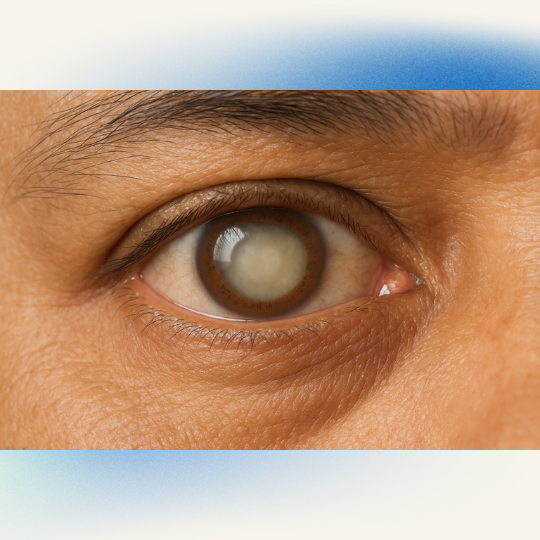
- Cataract evaluation
- Post-operative vision care
Common Vision Problems Treated at a Laser Eye Center
1. Myopia (Nearsightedness)
People with myopia can see nearby objects clearly but struggle to see distant objects. Laser vision correction reshapes the cornea to improve focus.
2. Hyperopia (Farsightedness)
Hyperopia causes difficulty focusing on nearby objects. Laser treatments help adjust the eye’s focusing ability.
3. Astigmatism
Astigmatism occurs when the cornea has an irregular shape, causing blurred or distorted vision. Laser surgery smooths the corneal surface for clearer vision.
4. Presbyopia
This age-related condition affects near vision, usually after the age of 40. Some laser procedures and lens-based solutions can help manage presbyopia.
Types of Laser Eye Treatments:
LASIK Eye Surgery
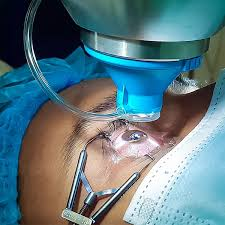
LASIK (Laser-Assisted In Situ Keratomileusis) is one of the most popular vision correction procedures worldwide. In fact, it has helped millions of people reduce their dependence on glasses and contact lenses. During the procedure, a thin flap is carefully created on the cornea, and then the underlying tissue is reshaped using an excimer laser. As a result, LASIK can effectively improve vision and provide long-lasting visual clarity.
Benefits of LASIK
- Quick procedure
- Minimal discomfort
- Fast recovery
- Reduced dependency on glasses
- High success rate
Who Is Eligible for LASIK?
You may be a suitable candidate if:
- You are above 18 years old
- Your eye power is stable
- Your cornea thickness is adequate
- You do not have severe dry eyes or active eye disease
SMILE Laser Eye Surgery
SMILE (Small Incision Lenticule Extraction) is a minimally invasive laser procedure used mainly for myopia and astigmatism correction.
Unlike LASIK, SMILE does not require creating a large corneal flap. Instead, a tiny incision is used to remove a small piece of corneal tissue.
Advantages of SMILE Surgery
- Smaller incision
- Faster corneal healing
- Reduced dry eye symptoms
- Better corneal stability
- Minimal discomfort
SMILE is becoming increasingly popular among young professionals, athletes, and individuals with active lifestyles.
Contoura Vision
Contoura Vision is an advanced topography-guided LASIK treatment that maps thousands of unique points on the cornea to create a highly personalized vision correction plan.
Benefits of Contoura Vision
- Sharper vision quality
- Reduced glare and halos
- Customized treatment
- Improved night vision
- Enhanced visual clarity
PRK Surgery
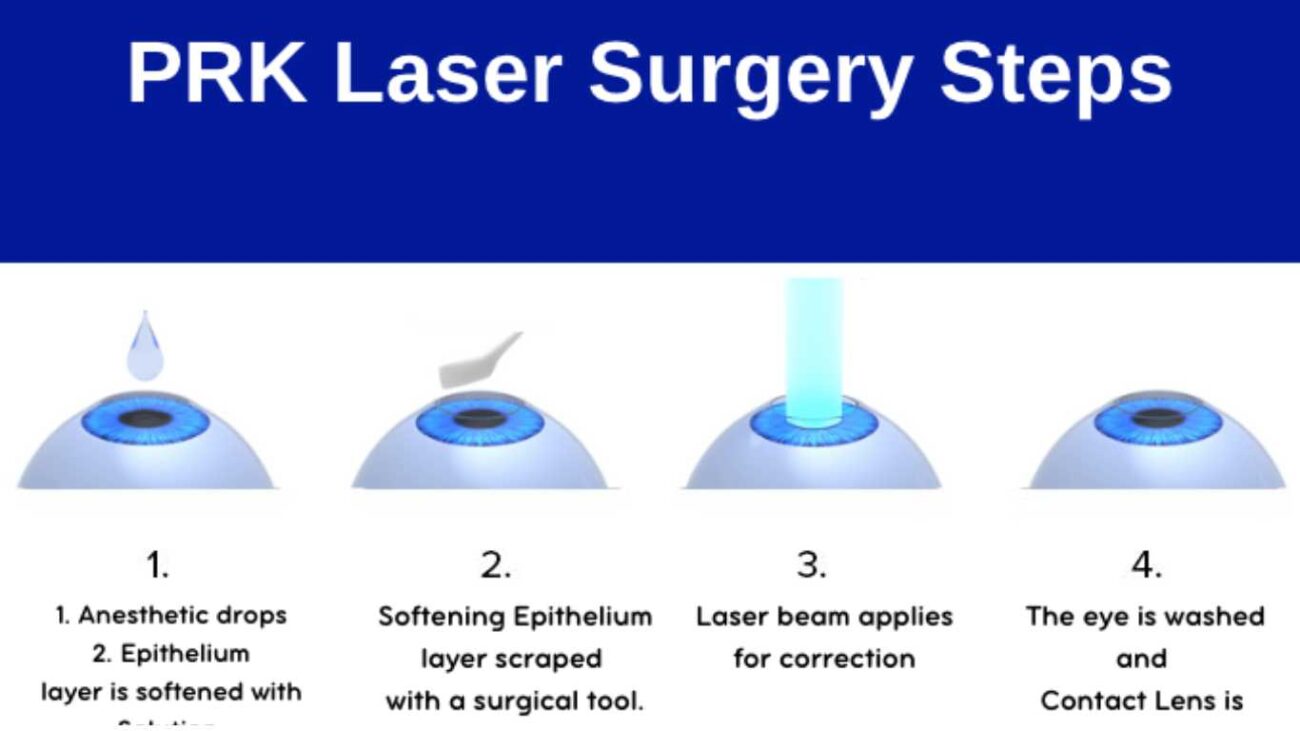
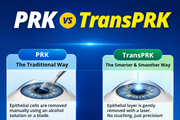
PRK (Photorefractive Keratectomy) is another laser eye surgery option, especially for patients with thin corneas.
In PRK, the outer layer of the cornea is removed before laser reshaping.
PRK Advantages
- Suitable for thin corneas
- No corneal flap
- Long-term stable results
Although recovery takes slightly longer than LASIK, PRK remains an effective vision correction procedure.
Importance of Comprehensive Eye Evaluation
Before any laser eye surgery, a detailed eye examination is essential. A professional laser eye center performs multiple tests to determine suitability and ensure patient safety.
Common Pre-Surgery Tests
- Corneal topography
- Eye power measurement
- Retina evaluation
- Tear film analysis
- Corneal thickness testing
- Pupil size assessment
These tests help doctors recommend the safest and most suitable treatment option.
Technology Used in Modern Laser Eye Centers
Advanced laser eye centers use modern diagnostic and surgical technologies for precise and safe outcomes.
Common Technologies Include
- Femtosecond laser
- Excimer laser
- Corneal topography systems
- Wavefront analysis
- AI-assisted eye mapping
- Optical coherence tomography (OCT)
Modern technology improves treatment accuracy and enhances patient safety.
Benefits of Choosing a Reputed Laser Eye Center
1. Experienced Surgeons
Skilled refractive surgeons play a major role in achieving successful results.
2. Advanced Technology
Modern equipment allows highly precise and customized treatments.
3. Better Safety Standards
Professional centers follow strict sterilization and patient safety protocols.
4. Personalized Treatment Plans
Each patient receives customized care based on their eye condition and lifestyle.
5. Post-Surgery Support
Regular follow-up care helps ensure smooth recovery and optimal visual results.
What to Expect During Laser Eye Surgery
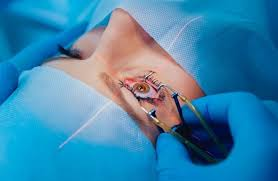
Laser eye surgery is usually completed within 15–30 minutes.
Step-by-Step Process
First, eye numbing drops are applied to ensure a comfortable and painless procedure. Next, the eye is carefully prepared for treatment. After that, laser correction is performed with advanced precision technology. Once the procedure is completed, the doctor checks the patient’s vision to ensure everything is progressing well. Finally, patients can usually return home on the same day and resume normal activities shortly afterward.
Most patients notice vision improvement within a few hours to days.
Recovery After Laser Eye Surgery
Tips to recover:
- Avoid rubbing your eyes
- Use prescribed eye drops regularly
- Wear protective glasses if advised
- Avoid swimming for a few weeks
- Limit screen exposure initially
- Attend follow-up appointments
Many patients resume normal activities within a few days.
Are Laser Eye Procedures Safe?
Laser eye surgeries are generally considered safe and effective when performed by experienced surgeons using advanced technology.
However, like any medical procedure, there can be risks such as the following:
- Dry eyes
- Glare or halos
- Temporary blurred vision
- Light sensitivity
A proper eye evaluation significantly reduces these risks.
How to Choose the Best Laser Eye Center:
Check the Surgeon’s Experience
Choose a center with experienced refractive surgeons and a strong success record.
Evaluate Technology
Modern laser platforms provide better precision and safety.
Read Patient Reviews
Patient feedback helps understand treatment quality and service standards.
Hygiene and Safety
Ensure the center follows strict hygiene protocols and international safety standards.
Transparent Consultation
A good laser eye center clearly explains eligibility, procedure options, risks, benefits, and costs.
Who Should Avoid Laser Eye Surgery?
Laser eye surgery may not be suitable for everyone.
Conditions That May Affect Eligibility
- Uncontrolled diabetes
- Severe dry eyes
- Keratoconus
- Pregnancy
- Active eye infection
- Unstable vision power
In such cases, alternative procedures like ICL surgery may be recommended.
Future of Laser Vision Correction:
Laser eye technology continues to advance rapidly. Modern innovations now focus on:
- Faster recovery
- Enhanced precision
- Customized AI-guided treatments
- Better night vision quality
- Minimally invasive procedures
The future of refractive surgery is becoming safer, more personalized, and highly effective.
Conclusion:
A laser eye center plays a crucial role in helping people achieve clearer vision and greater freedom from glasses or contact lenses. Moreover, with advanced technology, experienced surgeons, and personalized treatment options, modern laser eye procedures offer life-changing results for eligible patients. In addition, these treatments are designed to improve both visual clarity and overall quality of life. As a result, more people are confidently choosing laser vision correction to enjoy long-term convenience and sharper eyesight.
Whether you are considering LASIK, SMILE, PRK, or Contoura Vision, choosing a trusted and experienced laser eye center is essential for safe treatment and excellent visual outcomes. A detailed eye evaluation is the first step toward discovering the best vision correction option for your eyes and lifestyle.