

Introduction:
Before planning your cataract surgery, one of the biggest questions you may have is: “Will Star Health Insurance pay for my cataract surgery?” Many people wonder, is cataract surgery covered by Star Health Insurance? The short answer is yes—but the coverage depends on your policy, waiting period, coverage limits, and specific terms and conditions.
Modern cataract surgery is one of the safest and most successful procedures performed today. Since it is considered a medically necessary treatment rather than a cosmetic procedure, many Star Health Insurance plans provide coverage. However, not every policy offers identical benefits. Some plans include cataract surgery as a daycare procedure, while others impose waiting periods or sub-limits on claim amounts. Understanding these conditions before surgery can help you avoid unexpected expenses and ensure a smoother claim process.
Understanding Cataract Surgery Insurance Coverage:
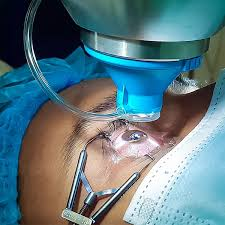
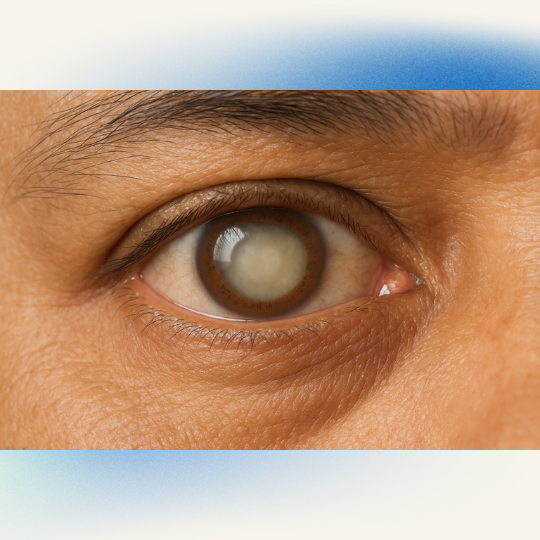
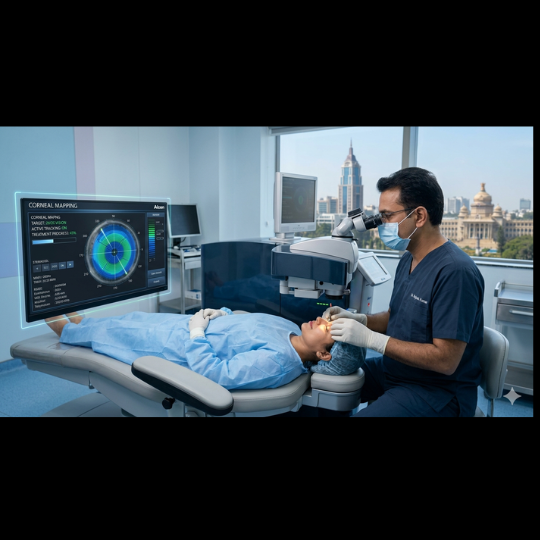
A cataract develops when the natural lens of the eye becomes cloudy, making vision blurry and affecting daily activities such as reading, driving, and recognising faces. Cataract surgery replaces the cloudy lens with an artificial intraocular lens (IOL), restoring clear vision in most patients. Since cataracts can significantly impact quality of life, health insurance providers generally classify the surgery as medically necessary, making it eligible for coverage under many plans.
One important fact many people don’t realise is that cataract surgery is considered a day care procedure. This means the patient usually does not need to stay in the hospital for 24 hours to qualify for insurance benefits. Thanks to advances in surgical technology, the operation is completed within a few hours, and patients typically return home the same day. Many Indian health insurance policies, including several offered by Star Health, recognise cataract surgery as a covered daycare treatment.
Does Star Health Insurance Cover Cataract Surgery?
Yes. Star Health Insurance covers cataract surgery under many of its health insurance plans, provided the treatment satisfies the policy’s eligibility conditions. Coverage generally depends on:
| Coverage Factor | Details |
|---|---|
| Medical necessity | Cataract surgery must be recommended by an ophthalmologist. |
| Waiting period | Usually 1–2 years, depending on the policy. |
| Policy type | Benefits vary across Star Health plans. |
| Coverage limit | Some policies have cataract-specific sub-limits. |
| Network hospital | Cashless treatment is available at eligible hospitals. |
According to Star Health, cataract surgery is covered after the applicable waiting period, and benefits may include hospitalisation, surgeon fees, operation theatre charges, daycare expenses, and eligible pre- and post-hospitalisation costs. However, coverage limits and sub-limits vary by policy, so reviewing your individual policy document is essential.
What Expenses Does Star Health Insurance Cover?
Depending on your policy, Star Health Insurance may cover the following:
- Surgeon’s fees
- Operation theatre charges
- Hospital room charges (if applicable)
- Nursing charges
- Diagnostic investigations
- Pre-operative consultations
- Post-operative follow-up
- Day care hospitalization expenses
- Eligible intraocular lens (IOL) costs according to policy terms
Coverage varies between plans, and some premium lenses or upgraded implant options may require additional out-of-pocket payment if they exceed policy limits.
What Is Usually Not Covered?
Even though Star Health offers comprehensive protection, certain expenses may not be covered, including:
- Premium or luxury lens upgrades beyond policy limits
- Cosmetic procedures unrelated to cataract removal
- Non-medical consumables (depending on policy)
- Expenses exceeding cataract sub-limits
- Surgery performed before completing the waiting period
- Treatments specifically excluded in the policy document
Always review your policy wording carefully before scheduling surgery.
One of the most important conditions is the waiting period.
Waiting Period for Cataract Surgery:
Most Star Health policies impose a waiting period of 1 to 2 years before cataract surgery claims become eligible. This means if you purchase a policy today and require cataract surgery next month, the insurer may not approve the claim unless the waiting period has already been completed or continuity benefits apply through portability.
If you are buying insurance primarily because you expect cataract surgery in the future, purchasing coverage well in advance is the best strategy.
Cashless Cataract Surgery Under Star Health:
Many Star Health policyholders can receive cashless treatment at network hospitals.
The typical process includes:
- Visit a Star Health network hospital.
- Get examined by an ophthalmologist.
- Submit your insurance card and identification.
- The hospital sends a pre-authorisation request.
- Star Health reviews the request.
- Upon approval, eligible expenses are settled directly with the hospital.
Although cashless approval simplifies payment, the insurer may still verify policy terms, waiting periods, and applicable limits before authorising treatment.
Documents Required for Insurance Claim:
You may need:
- Star Health insurance card
- Government-issued ID proof
- Doctor’s consultation notes
- Cataract diagnosis report
- Diagnostic investigation reports
- Hospital admission papers
- Discharge summary
- Original hospital bills
- Pharmacy invoices
- Lens implant details
- Claim form (if reimbursement)
Keeping these documents organised can speed up claim processing.
Before undergoing cataract surgery:
Tips to Maximise Your Insurance Benefits:
- Confirm your waiting period is completed.
- Verify your hospital is in the Star Health network.
- Understand cataract-specific sub-limits.
- Ask whether your preferred intraocular lens is fully covered.
- Obtain pre-authorisation before surgery.
- Preserve all medical bills and reports.
- Discuss estimated out-of-pocket costs with your hospital beforehand.
Taking these steps helps reduce claim delays and unexpected expenses.
Star Health vs Other Insurance Companies:
| Feature | Star Health | Many Other Insurers |
|---|---|---|
| Cataract Coverage | Yes (policy-dependent) | Yes (policy-dependent) |
| Cashless Network | Available | Available |
| Waiting Period | Usually 1–2 years | Usually 1–2 years |
| Day Care Coverage | Yes | Yes |
| Coverage Limits | Policy-specific | Policy-specific |
Every insurer has different terms, so comparing policy documents before purchasing is always recommended.
Conclusion:
Yes, cataract surgery is covered by Star Health Insurance under many of its health insurance plans. Coverage generally includes surgeon fees, hospital charges, daycare treatment, and eligible pre- and post-hospitalisation expenses. However, the exact benefits depend on your individual policy, waiting period, cataract-specific limits, and network hospital eligibility.
Before scheduling surgery, review your policy documents carefully, verify your eligibility, and obtain pre-authorisation if you plan to use the cashless facility. Understanding your coverage beforehand can help you receive quality eye care while minimising out-of-pocket expenses.
Frequently Asked Questions (FAQs):
1. Does Star Health Insurance cover cataract surgery?
Yes. Many Star Health policies cover cataract surgery after the applicable waiting period, subject to policy terms.
2. What is the waiting period for cataract surgery?
Most policies have a waiting period of 1–2 years, although this varies by plan.
3. Is cataract surgery considered a daycare procedure?
Yes. Modern cataract surgery is generally treated as a daycare procedure, so a 24-hour hospital stay is usually not required.
4. Does Star Health cover premium intraocular lenses?
Coverage depends on your policy. Premium lenses beyond policy limits may require additional payment.
5. Can I get cashless cataract surgery?
Yes. If you undergo treatment at a Star Health network hospital and meet the policy conditions, you may be eligible for cashless treatment.