
Introduction:
Cataracts are one of the leading causes of vision loss in India, especially among people over the age of 50. Fortunately, modern cataract surgery is highly successful and can restore clear vision within a short period. Is cataract surgery covered by medical insurance in India? However, many patients often ask one important question:
Is cataract surgery covered by medical insurance in India?
The good news is yes. Most health insurance providers in India cover cataract surgery, provided the treatment is medically necessary and falls under the terms and conditions of the policy. Depending on your insurer, policy type, waiting period, and hospital network, you may even be eligible for cashless cataract surgery.
Understanding your insurance benefits before surgery can save you from unexpected expenses and make the entire treatment process much smoother. In this guide, you’ll learn everything you need to know about cataract surgery insurance coverage in India, including eligibility, waiting periods, claim procedures, exclusions, and practical tips to maximise your benefits.
What Is Cataract Surgery?
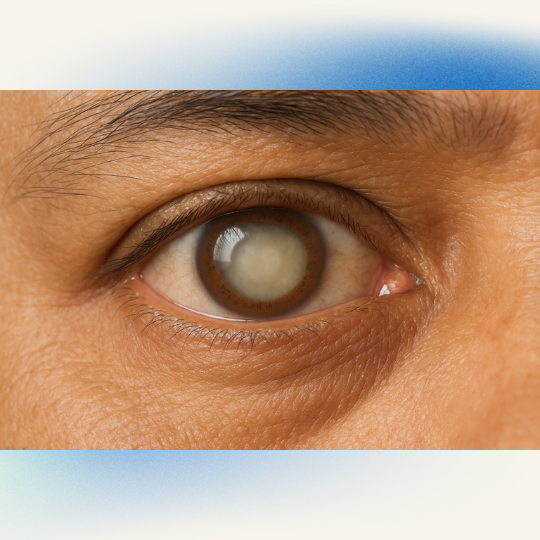
sum-insured sum-insured A cataract occurs when the natural lens of the eye becomes cloudy, causing blurred vision, glare, difficulty seeing at night, and reduced colour perception. The following specialised insurances are relevant: Cataracts usually develop due to ageing but can also result from diabetes, eye injuries, steroid use, or genetic conditions.
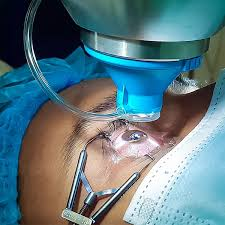
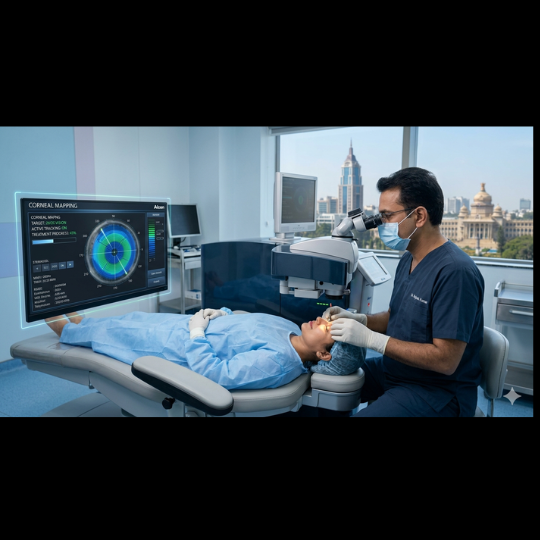
Cataract surgery is a safe and effective procedure that removes the cloudy lens and replaces it with an artificial intraocular lens (IOL). Modern surgical techniques offer excellent outcomes with minimal recovery time.
Common cataract surgery techniques include:
- Phacoemulsification (Phaco Surgery)
- Micro Incision Cataract Surgery (MICS)
- Laser-Assisted Cataract Surgery (where available)
- Small Incision Cataract Surgery (SICS)
The procedure typically takes 15 to 30 minutes, and many patients return home the same day.
Benefits of Cataract Surgery (Is cataract surgery covered by medical insurance in India?):
- Improved vision
- Better night driving
- Reduced glare sensitivity
- Enhanced quality of life
- Greater independence in daily activities
Because cataracts significantly affect vision and daily functioning, most insurance companies recognise cataract surgery as a medically necessary procedure.
Is Cataract Surgery Covered by Medical Insurance in India?
The simple answer is yes.
Most comprehensive health insurance policies in India cover cataract surgery. However, the exact amount payable depends on several factors, including:
- Your insurance provider
- Policy terms and conditions
- Sum insured
- Waiting period completed
- Hospital network
- Lens selected
- Room rent eligibility
Insurance companies generally reimburse medically necessary cataract surgery after the policyholder completes the required waiting period.
Many insurers also provide cashless hospitalisation at the following specialised insurance-panelled hospitals, allowing patients to receive treatment without paying the full surgical cost upfront.
Factors That Determine Coverage:
| Factor | Impact |
|---|---|
| Waiting period | Must usually be completed |
| Network hospital | Enables cashless treatment |
| Policy type | Determines coverage limits |
| Sum insured | Affects maximum claim amount |
| Lens chosen | Premium lenses may require additional payment. |
| Medical necessity | Surgery must be recommended by an ophthalmologist. |
If you’re planning cataract surgery, it’s advisable to contact your insurer in advance to confirm eligibility and coverage details.
Types of Health Insurance That Cover Cataract Surgery:
Several types of health insurance plans in India include cataract surgery benefits.
Individual Health Insurance
An individual health insurance policy covers medical expenses for one insured person. Cataract surgery is generally covered after the waiting period.
Suitable for:
- Working professionals
- Self-employed individuals
Family Floater Health Insurance:
A family floater policy covers multiple family members under one sum insured. Cataract surgery expenses can be claimed by any insured family member.
Advantages include:
- Shared coverage
- Affordable premiums
- Cashless treatment at network hospitals
Health Insurance:
Many insurers offer dedicated plans designed for people over 60 years.
These plans usually include:
- Cataract surgery coverage
- Day-care procedures
- Hospitalisation
- Diagnostic tests
Since cataracts are common among older adults, these policies often provide specialised benefits.
Employer Group Health Insurance:
Corporate health insurance plans frequently include cataract surgery benefits.
Employees following sum-insured specialisation: specialised
- Annual cataract limit
- Waiting period (if applicable)
- Network hospitals
- Co-payment clauses
Some employer-sponsored plans waive waiting periods, making them particularly beneficial.
Government Health Insurance Schemes:
Eligible beneficiaries may also receive cataract surgery under government healthcare programmes, depending on the scheme and hospital.
Some examples include:
- Ayushman Bharat (PM-JAY)
- CGHS
- ECHS
- State Government Health Schemes
Coverage varies based on eligibility criteria and empanelled hospitals.
What Expenses Are Covered Under Insurance?
Most health insurance plans cover medically necessary expenses related to cataract surgery.
These typically include:
Pre-Hospitalisation
- Doctor consultations
- Eye examination
- Blood investigations
- ECG (if required)
- Pre-operative evaluation
Hospitalisation
- Operation theatre charges
- Surgeon fees
- Nursing charges
- Hospital stay
- Medicines during admission
- Consumables (subject to policy)
Surgical Procedure
The insurance generally covers:
- Cataract removal
- Standard intraocular lens implantation
- Anaesthesia
- Surgical equipment
Post-Hospitalisation
Many policies also include expenses incurred after discharge, such as:
- Follow-up consultations
- Prescribed medications
- Eye drops
- Routine post-operative reviews
Coverage duration varies between insurers and may range from 30 to 90 days after surgery.
Cashless Hospitalisation Benefits:
If you choose a network hospital, you may enjoy the following: programmes,
- Minimal paperwork
- Faster approvals
- Reduced financial burden
- Direct settlement between insurer and hospital
This option is often more convenient than reimbursement claims.
Waiting Period for Cataract Surgery Insurance
One of the most important aspects of health insurance coverage for cataract surgery is the waiting period. Although most health insurance policies in India cover cataract surgery, policyholders usually need to complete a specified waiting period before they can make a claim.
The waiting period varies from insurer to insurer and depends on the type of policy you purchase.
Typical Waiting Periods:
| Insurance Type | Typical Waiting Period |
|---|---|
| Individual Health Insurance | 1–2 Years |
| Family Floater Plan | 1–2 Years |
| Senior Citizen Health Plan | 1–3 Years |
| Group Health Insurance | Usually Waived (Depends on Employer) |
Note: Always refer to your policy wording, as waiting periods differ among insurance companies.
Can the Waiting Period Be Reduced?
Yes. Some insurers offer:
- Waiting period reduction riders
- Portability benefits (subject to insurer approval)
- Employer-sponsored plans with immediate coverage
- Special promotional plans that waive waiting periods
If you’re planning cataract surgery in the near future, it’s worth discussing these options with your insurance provider before purchasing a policy.
Cataract Surgery Coverage Limits:
Although cataract surgery is covered, insurers often set sub-limits on the amount payable.
Common types of limits include:
- Fixed amount per eye
- Fixed amount per policy year
- Percentage of the total sum insured
- Overall hospitalisation cap
Example Coverage Limits
| Sum Insured | Typical Cataract Limit* |
|---|---|
| ₹3 Lakh | ₹20,000–₹40,000 per eye |
| ₹5 Lakh | ₹30,000–₹60,000 per eye |
| ₹10 Lakh & Above | Higher limits or actual expenses |
*These are illustrative examples. Coverage varies by insurer and policy.
Many newer comprehensive health insurance plans have removed cataract-specific sub-limits, allowing coverage up to the overall sum insured, subject to policy terms.
What Is Usually Not Covered?
While insurance covers medically necessary cataract surgery, certain expenses may not be included.
Common exclusions include:
- Cosmetic or elective eye procedures
- Premium imported intraocular lenses (unless covered by your policy)
- Upgrades to luxury hospital rooms beyond your eligibility
- Non-prescribed spectacles or sunglasses
- Personal expenses such as food for attendants
- Expenses incurred before completing the waiting period
- Treatment at non-network hospitals (for cashless claims)
Always review your insurer’s policy document to understand what is excluded.
Cashless vs. Reimbursement Claims:
Most insurance companies offer two ways to claim cataract surgery expenses.
Cashless Claim
In a cashless claim, the insurance company settles the eligible hospital bill directly with the hospital.
Benefits
- No need to pay the full hospital bill upfront
- Less paperwork
- Faster approval process
- Convenient for planned surgeries
Best For
Patients undergoing surgery at a network hospital.
Reimbursement Claim
If you receive treatment at a non-network hospital, you usually need to pay the hospital bill first and later submit the documents to your insurer for reimbursement.
Benefits
- Freedom to choose a hospital
- Useful if your preferred hospital is not in the insurer’s network
Drawbacks
- More paperwork
- Longer processing time
- Payment is made after claim approval
Cashless vs. Reimbursement Comparison:
| Feature | Cashless | Reimbursement |
|---|---|---|
| Upfront Payment | Minimal | Full payment required. |
| Claim Settlement | Direct with hospital | After document submission |
| Paperwork | Low | Higher |
| Processing Time | Faster | Slower |
| Best Option | Network Hospital | Non-Network Hospital |
Documents Required for Cataract Insurance Claims:
Keeping the necessary documents ready helps avoid delays.
Generally required documents include:
- Health insurance card
- Government-issued ID proof
- Doctor’s consultation notes
- Cataract diagnosis report
- Pre-operative investigations
- Hospital admission records
- Original hospital bills
- Pharmacy bills
- Discharge summary
- Operation notes
- Implant sticker (if applicable)
- Payment receipts (for reimbursement)
- Cancelled cheque or bank details (if required)
Some insurers may request additional documents depending on the claim.
How to File a Cataract Surgery Insurance Claim:
For Cashless Claims
Step 1: Confirm Hospital Network
Choose a hospital that is part of your insurer’s network.
Step 2: Visit the ophthalmologist.
The eye specialist will confirm that cataract surgery is medically necessary.
Step 3: Obtain Pre-Authorisation
The hospital’s insurance desk submits the required documents to your insurance company.
Step 4: Approval
After verification, the insurer issues an authorisation letter.
Step 5: Undergo Surgery
The hospital performs the surgery.
Step 6: Settlement
The insurer pays the eligible expenses directly to the hospital. You only pay any non-covered charges, if applicable.
For Reimbursement Claims
- Undergo surgery.
- Pay the hospital bill.
- Collect all original documents.
- Submit the claim form.
- Attach medical records and bills.
- The insurer reviews the claim.
- Approved claims are reimbursed to your bank account.
Government Health Schemes That Cover Cataract Surgery:
Several government healthcare schemes in India provide financial support for eligible patients requiring cataract surgery.
Ayushman Bharat – PM-JAY:
Eligible beneficiaries can receive cataract surgery at empanelled hospitals under the scheme, subject to package guidelines.
Central Government Health Scheme (CGHS)
CGHS beneficiaries can access cataract surgery at approved hospitals according to CGHS rules.
Ex-Servicemen Contributory Health Scheme (ECHS):
ECHS offers cataract surgery benefits for eligible ex-servicemen and their dependents through empanelled hospitals.
State Government Health Schemes:
Many state governments have their own health insurance schemes that cover cataract surgery for eligible residents.
Patients should verify eligibility criteria and participating hospitals before planning treatment.
Tips to Maximise Your Insurance Benefits:
To make the most of your health insurance coverage for cataract surgery:
- Read your policy carefully before scheduling surgery.
- Check whether your hospital is part of the insurer’s network.
- Confirm the cataract surgery sub-limit, if any.
- Complete the waiting period before making a claim.
- Obtain pre-authorisation for cashless treatment.
- Keep copies of all medical reports and bills.
- Ask your hospital’s insurance desk for assistance with documentation.
- Understand any co-payment or deductible applicable to your policy.
- Discuss lens options and any additional costs with your surgeon before surgery.
Benefits of Choosing a Network Hospital:
- Cashless hospitalisation with eligible insurers
- Assistance with insurance documentation and pre-authorisation
- Faster claim approvals
- Reduced paperwork
- Experienced ophthalmologists and trained support staff
- Access to advanced cataract surgery technology
- Seamless coordination between the hospital and insurance provider
Before scheduling your surgery, confirm that your preferred eye hospital is part of your insurer’s network and understand your policy’s terms and conditions.
How to Choose the Right Health Insurance for Cataract Surgery:
If you’re buying a new health insurance policy or comparing plans, consider the following factors to ensure adequate coverage for cataract surgery.
1. Cataract Surgery Coverage:
Verify whether the policy covers cataract surgery and if there are any specific sub-limits.
2. Waiting Period:
Choose a policy with a shorter waiting period if possible.
3. Cashless Hospital Network:
A wide network of hospitals offers greater flexibility, manageability and convenience.
4. Sum the following specialised insurances:
Higher sum-insured plans often provide better overall coverage for hospitalisation and surgeries.
5. Co-payment Clause:
Some policies require you to pay a percentage of the hospital bill. Lower or no co-payment is generally preferable.
6. Room Rent Limits:
Room rent eligibility can indirectly affect your overall claim amount, so review these limits carefully.
7. Claim Settlement Ratio:
While choosing an insurer, consider factors such as customer service, claim process, and claim settlement performance.
Cataract Surgery Costs in India:
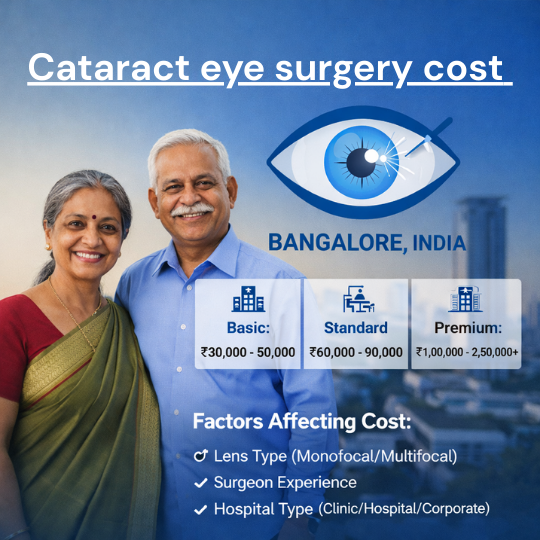
The cost of cataract surgery in India varies depending on several factors, including the type of surgery, the intraocular lens (IOL) used, the surgeon’s experience, the hospital, and the city.
Approximate Cost Range:
| Type of Cataract Surgery | Estimated Cost (Per Eye) |
|---|---|
| Small Incision Cataract Surgery (SICS) | ₹15,000 – ₹30,000 |
| Phacoemulsification | ₹25,000 – ₹70,000 |
| Micro Incision Cataract Surgery (MICS) | ₹35,000 – ₹80,000 |
| Laser-Assisted Cataract Surgery | ₹60,000 – ₹120,000+ |
These are approximate ranges. Actual costs vary by hospital, surgeon, and lens selection.
Why Timely Cataract Surgery Is Important:
Delaying cataract surgery can gradually affect your vision and quality of life.
Potential risks of postponing treatment include:
- Progressive vision loss
- Difficulty driving, especially at night
- Increased risk of falls and injuries
- Reduced independence in daily activities
- Challenges in reading, working, and recognising faces
- In advanced cases, cataracts may become denser, making surgery more complex
Early evaluation by an ophthalmologist can help determine the right time for surgery based on your symptoms and lifestyle needs.
Frequently Asked Questions (FAQs):
1. Is cataract surgery covered by all health insurance policies in India?
Most comprehensive health insurance policies cover cataract surgery after the applicable waiting period. However, coverage limits, exclusions, and conditions vary by insurer and policy.
2. Is there a waiting period for cataract surgery insurance claims?
Yes. Many individual and family health insurance plans have a waiting period of 1–2 years before cataract surgery becomes eligible for coverage. Always check your policy document for exact details.
3. Can I get cashless cataract surgery?
Yes. If your hospital is part of your insurer’s network and you receive pre-authorisation, you may be eligible for cashless cataract surgery, subject to policy terms and conditions.
4. Does insurance cover premium intraocular lenses (IOLs)?
It depends on your policy. Many insurers cover the cost of a standard intraocular lens, while premium or advanced lenses may involve additional out-of-pocket expenses.
5. What documents are needed for a cataract surgery insurance claim?
Typically, you’ll need:
- Health insurance card
- Doctor’s prescription
- Diagnostic reports
- Hospital admission records
- Original bills
- Discharge summary
- Claim form
- Identity proof
Your insurer may request additional documents depending on the claim.
6. Can anyone get insurance coverage for cataract surgery?
Yes, health insurance plans include cataract surgery coverage, though waiting periods, co-payments, and coverage limits may apply.
7. Does Ayushman Bharat cover cataract surgery?
Eligible beneficiaries under Ayushman Bharat – PM-JAY can receive cataract surgery at empanelled hospitals according to the scheme’s package guidelines.
8. How can I reduce my out-of-pocket expenses for cataract surgery?
You can reduce expenses by:
- Choosing a network hospital
- Completing the policy waiting period
- Opting for cashless treatment
- Confirming coverage limits in advance
- Understanding any co-payment or deductible
- Discussing lens options before surgery
Conclusion:
Is cataract surgery covered by medical insurance in India? In most cases, yes. Comprehensive health insurance policies generally cover cataract surgery when it is medically necessary and performed according to the policy’s terms and conditions.
Before scheduling surgery, it’s important to review your insurance policy, confirm the waiting period, understand any cataract-specific sub-limits, and check whether your preferred hospital is part of your insurer’s network. Choosing a cashless network hospital and keeping all required documents ready can make the claim process much easier.
Why Choose Vijaya Nethralaya Super Speciality Eye Hospital?
If you’re considering cataract surgery in Bengaluru, Vijaya Nethralaya Super Speciality Eye Hospital offers advanced cataract care with experienced ophthalmologists and modern surgical technology.
Our Highlights:
- 40+ years of excellence in eye care
- 2 lakh+ successful eye surgeries
- Advanced Phacoemulsification and Micro-Incision Cataract Surgery (MICS)
- Experienced cataract surgeons
- Personalised treatment plans
- Insurance assistance and cashless facility with selected insurers
- Modern diagnostic and surgical equipment
- Comprehensive pre- and post-operative care
Cashless treatment is subject to insurer approval, policy terms, and network availability.
Book your cataract consultation today to learn about your treatment options and insurance eligibility.