
Introduction:
Retinopathy of Prematurity Treatment (ROP) is a potentially serious eye condition that affects premature babies. It occurs when the blood vessels in the retina do not develop normally and may grow abnormally. In severe cases, ROP can lead to retinal detachment and permanent vision loss if it is not identified and treated at the appropriate time.
At Vijaya Nethralaya Super Speciality Eye Hospital, we understand that premature babies require careful and timely eye evaluation. Early screening, regular follow-up and appropriate treatment play a vital role in protecting a child’s vision. With modern retinal imaging and specialised ophthalmic care, we focus on identifying babies at risk and providing appropriate management at every stage.
What Is Retinopathy of Prematurity?
The retina is the light-sensitive layer located at the back of the eye. It receives visual information and sends signals to the brain, allowing us to see.
During pregnancy, blood vessels in a baby’s retina develop gradually. This development is usually completed close to full-term birth. When a baby is born prematurely, the retinal blood vessels may still be immature and incomplete.
In some premature babies, these blood vessels stop developing normally. Abnormal blood vessels may then grow inside the eye. These abnormal vessels can leak, bleed and pull on the retina.
This condition is known as retinopathy of prematurity (ROP).
Mild ROP may improve naturally as the baby’s eyes continue to develop. However, severe ROP can progress and cause complications, including:
- Abnormal retinal blood vessel growth
- Bleeding inside the eye
- Scar tissue formation
- Retinal traction
- Partial retinal detachment
- Total retinal detachment
- Permanent visual impairment or blindness
For this reason, timely ROP screening is extremely important for premature babies.
Why Does Retinopathy of Prematurity Occur?
The exact development of ROP is related to the interruption of normal retinal blood vessel development after premature birth.
When a baby is born early, the retina may not have completed its normal blood vessel growth. After birth, changes in oxygen levels and other medical factors can influence how these blood vessels continue to develop.
Instead of growing normally, abnormal blood vessels may develop. These vessels are and may cause scar tissue. As scar tissue contracts, it can pull on the retina.
The severity of ROP varies significantly between babies. Some babies develop only mild changes, while others may develop rapidly progressive disease requiring urgent treatment.
Which Babies Are at Risk of Retinopathy of Prematurity?
ROP primarily affects premature and low-birth-weight babies.
Babies who may require ROP screening include those with:
- Premature birth
- Low birth weight
- Very low gestational age
- Need for prolonged neonatal intensive care
- Respiratory problems
- Need for oxygen support
- Serious infections
- Blood transfusions
- Other complications associated with premature birth
The decision regarding screening should be made according to established neonatal and ophthalmology guidelines.
Because ROP may not cause visible symptoms in the early stages, parents cannot rely on external signs alone. A baby may appear completely normal while retinal changes are developing.
This is why scheduled retinal examinations are essential for babies identified as being at risk.
Stages of Retinopathy of Prematurity
Retinopathy of prematurity is commonly classified into stages based on the severity of abnormal retinal development.
Stage 1 ROP – Mild Abnormal Blood Vessel Growth
In Stage 1, there is mild abnormal growth of retinal blood vessels.
Many babies with Stage 1 ROP improve naturally without treatment. However, follow-up examinations are necessary to ensure that the condition does not progress.
Stage 2 ROP – Moderate Abnormal Blood Vessel Growth
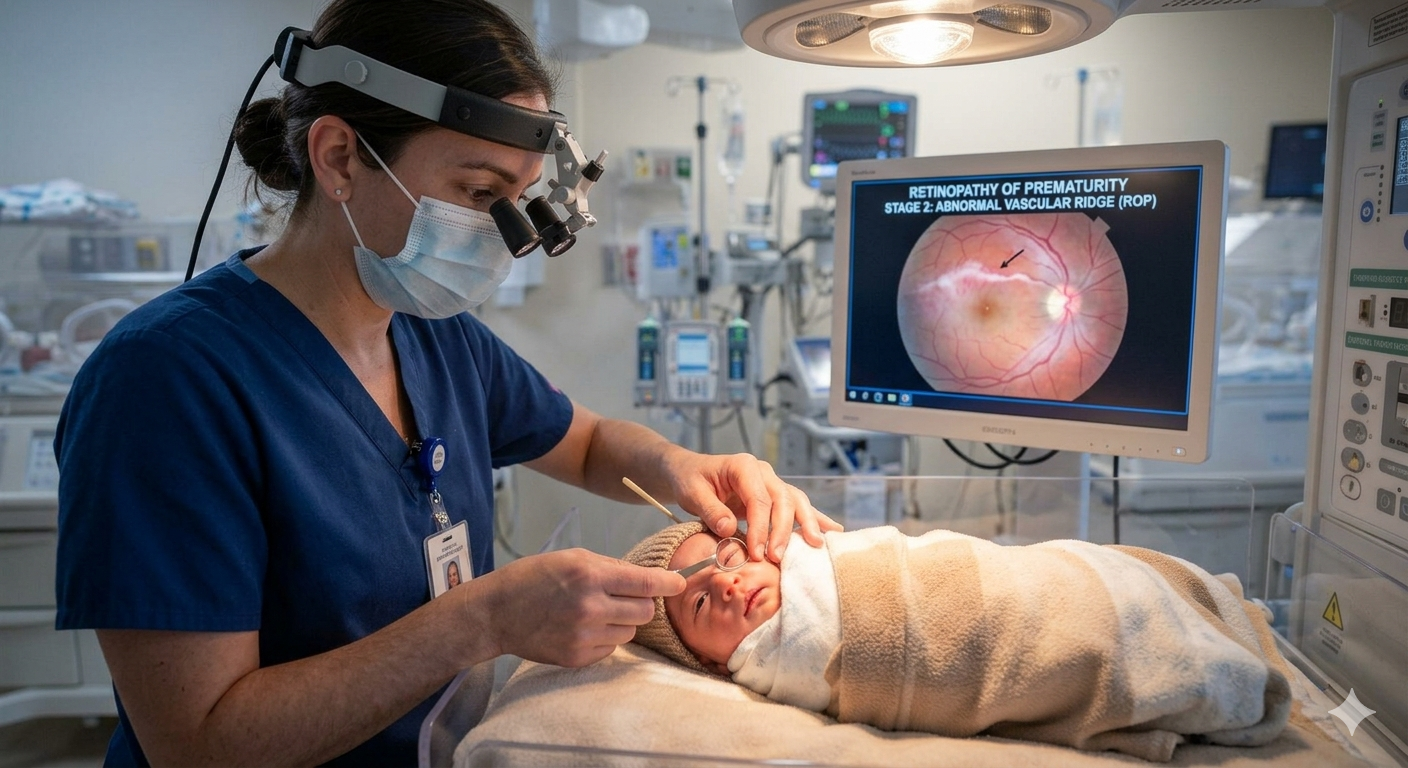
Stage 2 involves a greater degree of abnormal blood vessel growth.
Some babies may still experience spontaneous improvement. Regular monitoring by an ophthalmologist is important because progression can occur.
Stage 3 ROP – Severe Abnormal Blood Vessel Growth
At Stage 3, abnormal blood vessels grow more significantly into the eye.
This stage may require close observation or treatment depending on the severity and location of the disease. Without appropriate management, scar tissue can develop and increase the risk of retinal detachment.
Stage 4 ROP – Partial Retinal Detachment
In Stage 4, scar tissue and traction can cause the retina to partially detach.
This is a serious stage of the disease and requires specialised retinal evaluation. Surgical treatment may be necessary in selected cases.
Stage 5 ROP – Total Retinal Detachment
Stage 5 is the most severe form of ROP and involves total retinal detachment.
This stage can result in profound and permanent vision loss. Early screening and treatment aim to prevent ROP from progressing to this advanced stage.
What Is Plus Disease in ROP?
Plus, disease is an important finding in retinopathy of prematurity. It refers to abnormal changes in the retinal blood vessels, including increased dilation and tortuosity.
The presence of plus disease can indicate more active and severe ROP and may influence treatment decisions.
An experienced retinal or paediatric ophthalmology team evaluates these changes carefully during the retinal examination.
Symptoms of Retinopathy of Prematurity:
One of the most important things for parents to understand is that ROP usually does not produce obvious symptoms during its early stages.
Premature babies cannot describe changes in vision, and visible external signs may not be present.
In advanced disease, visual problems may eventually develop. However, waiting for symptoms is unsafe because treatment is most effective when the condition is detected at the appropriate stage.
This makes scheduled ROP screening the most important method of early detection.
ROP Screening for Premature Babies
ROP screening involves a detailed examination of the baby’s retina by a qualified eye specialist.
The examination is generally performed according to the baby’s:
- Birth weight
- Gestational age
- Medical condition
- Neonatal history
- Risk factors
- Previous retinal examination findings
During the examination, the ophthalmologist evaluates:
- Retinal blood vessel development
- Areas of immature retina
- Presence of abnormal blood vessel growth
- Stage of ROP
- Presence of plus disease
- Signs of retinal traction or detachment
The timing of follow-up examinations depends on the findings.
Some babies may require frequent examinations because ROP can change over a relatively short period. Others may need follow-up until the retina has developed adequately.
Why Early ROP Screening Is So Important:
Early screening allows doctors to identify ROP before it causes permanent structural damage to the retina.
The benefits of timely screening include:
- Early detection of retinal abnormalities
- Identification of babies needing close follow-up
- Timely treatment when required
- Reduced risk of severe retinal detachment
- Better opportunity to preserve useful vision
We strongly emphasise that ROP screening appointments should not be delayed, especially when a premature baby has been advised to undergo a retinal examination.
The disease may progress without causing visible symptoms.
Treatment for Retinopathy of Prematurity
The treatment for ROP depends on the stage, severity and location of the disease.
Not every baby with ROP requires immediate treatment. Mild cases may be monitored carefully because they can improve naturally.
When the disease reaches a level where treatment is necessary, the ophthalmologist may recommend one of several approaches.
Laser Treatment for ROP
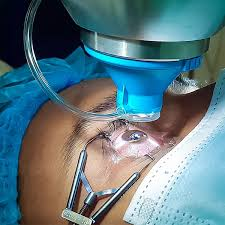
Laser treatment has been widely used for certain forms of severe ROP.
The treatment targets areas of the peripheral retina where blood vessel development has not occurred normally. The goal is to reduce the abnormal signals that contribute to unwanted blood vessel growth.
Laser treatment is performed by a trained specialist and requires careful evaluation before and after the procedure.
Regular follow-up remains important after treatment.
Anti-VEGF Injections for ROP
In selected cases, doctors may recommend anti-VEGF injections.
VEGF is a substance involved in blood vessel growth. Anti-VEGF medicines can help reduce abnormal blood vessel activity in the retina.
The decision to use this treatment depends on several factors, including the characteristics and severity of the ROP.
Babies treated with anti-VEGF medication require long-term follow-up because retinal vascular development and disease activity must continue to be monitored.
Surgery for Advanced ROP
When ROP progresses to retinal detachment, surgical treatment may be considered.
Depending on the condition, procedures may be used to address:
- Retinal traction
- Scar tissue
- Partial retinal detachment
- Advanced retinal detachment
The visual outcome in advanced ROP can vary considerably. This is why the main objective of screening and early treatment is to prevent progression to advanced stages whenever possible.
Can Retinopathy of Prematurity Cause Blindness?
Yes. Severe and untreated retinopathy of prematurity can lead to permanent vision loss and blindness.
The risk is greatest when abnormal blood vessels and scar tissue cause retinal detachment.
However, early detection has significantly improved the ability to identify babies who need monitoring or treatment before the disease progresses.
Regular screening, timely follow-up and appropriate treatment are essential for protecting vision.
Long-Term Eye Problems After ROP
Even after ROP has resolved or been successfully treated, some children may have a higher risk of developing certain eye conditions later in life.
These may include:
- Nearsightedness or myopia
- Farsightedness
- Astigmatism
- Squint or strabismus
- Lazy eye or amblyopia
- Reduced visual development
- Retinal problems in some cases
For this reason, children with a history of ROP may require regular eye examinations as they grow.
Early identification of refractive errors and other visual problems can support healthy visual development.
How Parents Can Help Protect Their Baby’s Vision
Parents and carers play an important role in ensuring continuity of care.
If a premature baby has been advised to undergo ROP screening, we recommend the following:
Attend Every Scheduled Eye Examination
Do not miss or delay follow-up appointments. ROP can change between examinations.
Keep Medical Records Available
Maintain records related to the baby’s birth history, neonatal care and previous eye examinations.
Follow the Recommended Follow-Up Schedule
Even if the baby appears healthy, retinal development may still need monitoring.
Continue Eye Check-Ups After ROP
Children with a history of prematurity or ROP may require ongoing evaluation for refractive errors and visual development.
Seek Specialised Eye Care When Recommended
Babies with severe or progressive ROP should receive evaluation from an experienced ophthalmology team.
Retinopathy of Prematurity and the Importance of Timely Follow-Up:
The most important aspect of ROP management is often not simply the first examination but the entire follow-up process.
A baby may have a mild retinal finding during one examination and require closer observation later. Conversely, some cases may stabilise and resolve naturally.
ROP management therefore requires a structured approach involving:
- Identification of at-risk babies
- Timely retinal screening
- Accurate assessment of disease severity
- Regular follow-up examinations
- Timely intervention when indicated
- Long-term monitoring of visual development
Parents should always follow the specific examination schedule recommended by their baby’s ophthalmologist.
Retinopathy of Prematurity Treatment at Vijaya Nethralaya Super Speciality Eye Hospital:
At Vijaya Nethralaya Super Speciality Eye Hospital, we recognise the importance of specialised and compassionate eye care for premature babies.
ROP requires careful evaluation because the condition can affect the developing retina during a critical stage of life. Our approach focuses on appropriate screening, detailed retinal assessment, timely intervention when required and continued follow-up.
We believe that every premature baby identified as being at risk should receive appropriate ophthalmic evaluation according to medical recommendations.
Early detection can make a significant difference in preventing severe retinal complications and protecting the child’s future vision.
Frequently Asked Questions About Retinopathy of Prematurity:
Is retinopathy of prematurity curable?
Some mild cases of ROP can improve naturally as the retinal blood vessels continue to develop. More severe cases may require treatment. The outcome depends on the severity of the disease and how early it is identified and managed.
Can a full-term baby develop ROP?
ROP primarily affects premature babies because retinal blood vessel development may be incomplete at the time of early birth.
Does every premature baby develop ROP?
No. Not every premature baby develops ROP. However, babies who meet screening criteria should undergo retinal evaluation because early stages may not have visible symptoms.
How is ROP detected?
ROP is detected through a specialised examination of the retina performed by an ophthalmologist.
Can ROP go away on its own?
Yes, mild ROP can sometimes resolve naturally. However, all diagnosed cases require appropriate follow-up because some cases can progress.
When does ROP require treatment?
Treatment is recommended when the disease reaches a severity or pattern where the risk of progression and vision loss is significant. The treating ophthalmologist determines this based on detailed retinal findings.
Can children have normal vision after ROP?
Some children can develop good vision, particularly when ROP is mild or treated appropriately before severe complications occur. Long-term eye examinations remain important.
Conclusion: Early ROP Screening Can Protect a Child’s Vision:
Retinopathy of prematurity is a serious but manageable retinal condition affecting premature babies. Because early ROP may not produce visible symptoms, timely screening is essential.
The key to reducing the risk of severe complications is early identification, regular retinal monitoring and appropriate treatment when required.
For parents of premature babies, attending every recommended ROP screening and follow-up appointment is one of the most important steps in protecting a child’s developing vision.
At Vijaya Nethralaya Super Speciality Eye Hospital, we are committed to supporting early detection, specialised retinal care and long-term eye health for children at risk of retinopathy of prematurity.