
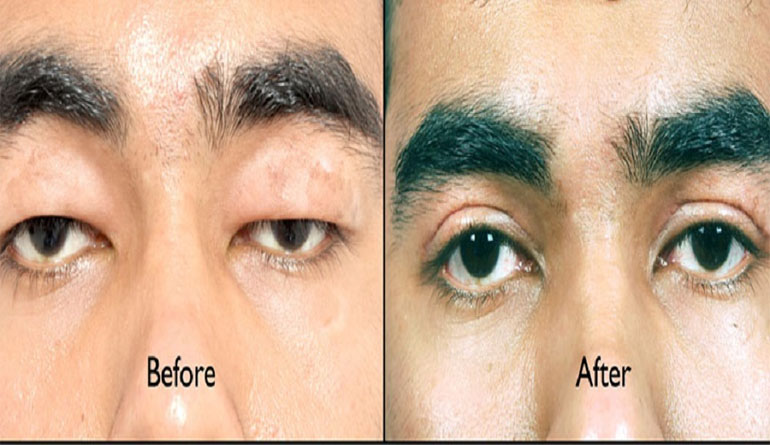
Introduction to Oculoplasty:
What Is Oculoplasty?
Oculoplasty, also known as oculoplastic surgery or ophthalmic plastic surgery, is a specialized branch of medicine that focuses on surgical procedures involving the eyelids, tear ducts, orbit (eye socket), and surrounding facial structures. Unlike general plastic surgery, oculoplasty is performed by ophthalmologists who receive additional training in both cosmetic and reconstructive procedures around the eyes. This unique combination of expertise ensures not only aesthetic improvement but also preservation of vision and eye function.
Think of oculoplasty as the intersection between beauty and medical necessity. While many people associate it with cosmetic eyelid surgery, its scope goes far beyond that. It includes correcting droopy eyelids that impair vision, removing tumors around the eye, repairing trauma-related injuries, and even reconstructing the eye socket after serious medical conditions.
The eye area is delicate and complex. Even a minor surgical miscalculation can affect vision or facial symmetry. That’s why oculoplasty requires precision, deep anatomical knowledge, and refined surgical skills. Patients often seek oculoplastic procedures to restore youthful appearance, improve eyesight, or correct congenital abnormalities.
In simple terms, oculoplasty isn’t just about looking better—it’s about seeing better, feeling better, and restoring confidence. Whether functional or cosmetic, it plays a critical role in enhancing both health and appearance.
Why Oculoplasty Is Gaining Popularity:
In recent years, oculoplasty has seen a remarkable rise in demand. But why now? The answer lies in a combination of medical advancement, increased awareness, and modern lifestyle trends.
First, we live in a visual world. Social media, high-definition cameras, and virtual meetings constantly put our faces on display. The eyes are often the focal point of facial expression. Sagging eyelids, under-eye bags, and wrinkles can make someone appear tired or older than they feel. Oculoplasty offers a solution that looks natural and subtle rather than overdone.
Second, medical technology has significantly improved. Modern techniques are safer, minimally invasive, and involve shorter recovery times. Procedures that once required extended downtime can now be performed with advanced precision tools and faster healing protocols. Patients are more confident knowing risks are minimized.
Third, there’s growing awareness that some eye-related issues are medical—not just cosmetic. Drooping eyelids (ptosis), blocked tear ducts, or eyelid malpositions can cause irritation, vision obstruction, and chronic discomfort. More people are recognizing that these conditions can and should be treated.
Finally, longer life expectancy plays a role. As people age, they want to maintain both their health and appearance. Oculoplasty provides solutions that address age-related changes while preserving natural facial harmony.
The result? A growing field that combines science, artistry, and functional care—all centered around one of the most expressive parts of the human body: the eyes.
The Scope of Oculoplastic Surgery:
Cosmetic Oculoplasty Procedures
When people hear “oculoplasty,” cosmetic procedures often come to mind first. These surgeries focus on enhancing the appearance of the eyes and surrounding structures while maintaining natural expression and balance.
One of the most common cosmetic procedures is blepharoplasty, or eyelid surgery. It removes excess skin, fat, or muscle from the upper or lower eyelids. As we age, skin loses elasticity, and fat deposits may shift, leading to puffiness or drooping. Blepharoplasty restores a smoother, more youthful contour without altering the natural shape of the eyes.
Another popular procedure is brow lifting. A sagging brow can create a tired or stern appearance. By lifting the brow, surgeons can open up the eye area and restore a refreshed look. Some patients combine brow lift procedures with eyelid surgery for comprehensive rejuvenation.
Dermal fillers and minimally invasive treatments are also part of cosmetic oculoplasty. These procedures target tear trough deformities, hollow under-eyes, and fine wrinkles. They provide subtle improvements with little downtime.
What makes cosmetic oculoplasty unique is its precision. The goal is enhancement—not transformation. A skilled oculoplastic surgeon understands facial symmetry and ensures that results look natural rather than exaggerated.
Ultimately, cosmetic oculoplasty helps patients feel more confident. When your eyes reflect how energetic and vibrant you feel inside, it changes the way you present yourself to the world.
Functional Oculoplasty Procedures:
Not all oculoplastic surgeries are about appearance. Many are medically necessary and significantly improve quality of life. Functional oculoplasty focuses on restoring proper eyelid position, tear drainage, and orbital health.
Take ptosis, for example. This condition causes the upper eyelid to droop, sometimes covering part of the pupil and obstructing vision. Patients may experience eye strain, headaches, or difficulty reading. Surgical correction tightens the muscles responsible for lifting the eyelid, restoring a normal field of vision.
Another common functional issue is ectropion or entropion. In ectropion, the eyelid turns outward, exposing the inner surface and leading to irritation. In entropion, the eyelid turns inward, causing eyelashes to rub against the eye. Both conditions can be painful and damaging if untreated. Oculoplastic surgery corrects the eyelid position, protecting the eye surface.
Tear duct obstruction is another frequent concern. Blocked tear ducts cause excessive tearing, recurrent infections, and discomfort. A procedure called dacryocystorhinostomy (DCR) creates a new drainage pathway, resolving chronic tearing issues.
These surgeries are not optional luxuries—they are necessary medical interventions. By restoring proper function, oculoplasty improves vision, reduces discomfort, and prevents long-term complications.
Functional oculoplasty highlights the medical foundation of this specialty. It’s not just about aesthetics; it’s about safeguarding one of our most essential senses.
Common Oculoplasty Procedures Explained:
Blepharoplasty (Eyelid Surgery)
Blepharoplasty is arguably the most recognized oculoplastic procedure. It addresses excess skin, fat deposits, and muscle laxity around the eyelids. But there’s more to it than simply removing “extra skin.”
Upper blepharoplasty typically involves removing redundant skin that can sag over the eyelashes. In severe cases, this drooping may impair peripheral vision. The surgeon carefully designs incisions along natural eyelid creases, ensuring scars are virtually invisible once healed.
Lower blepharoplasty targets under-eye bags and puffiness. Instead of simply removing fat, modern techniques often reposition fat to create smoother contours. This approach avoids a hollowed or overcorrected look.
The procedure is usually performed under local anesthesia with sedation, and patients can often return home the same day. Recovery includes mild swelling and bruising that gradually resolves within one to two weeks.
What makes blepharoplasty effective is its subtlety. Friends may comment that you look “rested” rather than “operated on.” The goal is natural rejuvenation.
For individuals frustrated with tired-looking eyes or obstructed vision due to excess eyelid skin, blepharoplasty offers a safe, long-lasting solution.
Ptosis Correction:
Ptosis correction focuses on lifting a drooping upper eyelid caused by weak or stretched eyelid muscles. This condition may be congenital, age-related, or result from trauma or neurological issues.
The procedure involves tightening or reattaching the levator muscle, which is responsible for lifting the eyelid. In some cases, a sling procedure connects the eyelid to the forehead muscle, allowing improved elevation.
Patients often notice immediate improvement in vision and facial symmetry. Recovery is generally straightforward, with temporary swelling and mild discomfort.
Ptosis correction is both functional and cosmetic. While it restores a balanced appearance, its primary benefit is improved visual function. Many patients report reduced eye strain and better clarity after surgery.
In essence, ptosis correction is about lifting more than just the eyelid—it lifts daily comfort and confidence as well.
Common Oculoplasty Procedures Explained (Continued):
Tear Duct Surgery (Dacryocystorhinostomy – DCR)
If you’ve ever dealt with constant watery eyes, you know how frustrating it can be. Blurred vision, skin irritation, repeated infections—it’s more than just a minor inconvenience. In many cases, the culprit is a blocked tear duct. That’s where dacryocystorhinostomy, commonly known as DCR, comes into play.
The tear drainage system is delicate. Tears normally flow from the eye into small canals and down into the nose. When this pathway becomes blocked due to infection, inflammation, trauma, or age-related narrowing, tears overflow onto the face instead of draining properly.
DCR surgery creates a new drainage passage between the tear sac and the nasal cavity. It can be performed externally through a small incision near the nose or endoscopically through the nasal cavity without visible scarring. Modern endoscopic techniques are especially popular because they minimize external marks and reduce recovery time.
Patients typically experience mild swelling and congestion for a short period after surgery. A temporary stent may be placed to keep the new passage open during healing. Most people report significant relief from excessive tearing once the system functions normally again.
Tear duct surgery may sound technical, but the result is simple: clear vision, dry cheeks, and freedom from chronic irritation. It’s a procedure that restores everyday comfort in a surprisingly powerful way.
Orbital Surgery:
The orbit—the bony socket that holds the eye—is a complex structure containing muscles, nerves, fat, and connective tissues. Orbital surgery addresses conditions affecting this deep and sensitive area.
Common reasons for orbital surgery include:
- Orbital tumors
- Thyroid eye disease
- Trauma and fractures
- Infections
- Inflammatory conditions
For example, in thyroid eye disease, inflammation causes tissues behind the eye to swell, pushing the eye forward. This can result in bulging eyes (proptosis), double vision, and discomfort. Orbital decompression surgery removes small portions of bone or fat to create more space and relieve pressure.
In cases of trauma, such as a blowout fracture, orbital surgery restores the integrity of the eye socket and prevents long-term complications like double vision or sunken eyes.
Because the orbit houses vital structures connected to vision and brain function, orbital surgery demands exceptional precision and expertise. Recovery varies depending on the complexity of the condition, but outcomes often dramatically improve both appearance and visual stability.
Orbital procedures represent the advanced medical side of oculoplasty—where reconstructive skill meets critical eye preservation.
Eyelid Tumor Removal:
Eyelid tumors can be benign or malignant, and early detection is crucial. The eyelids are exposed to sunlight and environmental elements, making them susceptible to skin cancers such as basal cell carcinoma and squamous cell carcinoma.
When removing an eyelid tumor, the primary goal is complete excision while preserving as much healthy tissue as possible. Surgeons often use techniques like Mohs micrographic surgery, which examines tissue margins during the procedure to ensure all cancer cells are removed.
After excision, reconstruction becomes essential. The eyelid must maintain proper structure to protect the eye, distribute tears, and blink effectively. Oculoplastic surgeons are uniquely trained to rebuild eyelids using local tissue flaps or grafts while maintaining both function and cosmetic balance.
Recovery depends on the size and depth of the tumor, but most patients resume normal activities relatively quickly. Regular follow-ups ensure proper healing and monitor for recurrence.
Eyelid tumor removal highlights the life-saving dimension of oculoplasty. It’s not just about aesthetics—it’s about early cancer detection, functional preservation, and restoring facial harmony after medically necessary procedures.
Who Is an Ideal Candidate for Oculoplasty?
Medical Considerations
Not everyone seeking oculoplasty is automatically a candidate. A thorough medical evaluation ensures safety and optimal outcomes.
Ideal candidates generally:
- Are in good overall health
- Do not have uncontrolled chronic conditions
- Have realistic expectations
- Are non-smokers or willing to quit before surgery
Certain medical issues, such as uncontrolled diabetes, bleeding disorders, or severe dry eye disease, may require additional management before surgery. Patients with thyroid disorders, particularly thyroid eye disease, require careful coordination between specialists.
An honest consultation is essential. Oculoplastic surgeons assess not just the visible concern but the overall eye health, tear function, and anatomical structure. For example, someone requesting cosmetic eyelid surgery may actually have underlying ptosis that needs functional correction instead.
Clear communication about medications, allergies, and past surgeries also plays a critical role in surgical planning.
Ultimately, the best candidate is someone who prioritizes both health and realistic goals. Oculoplasty isn’t about chasing perfection—it’s about achieving balanced, natural improvement.
Age and Lifestyle Factors:
Age is often associated with oculoplasty, but it’s not the sole determining factor. While many cosmetic procedures are sought by individuals in their 40s, 50s, and beyond, functional issues can affect younger patients too.
Congenital ptosis, trauma, and tear duct problems may require intervention at an early age. On the cosmetic side, younger patients may seek subtle enhancements rather than major corrections.
Lifestyle habits also influence candidacy and recovery. Smokers, for instance, face slower healing due to reduced blood circulation. Sun exposure and skincare habits impact skin quality and long-term results.
Active individuals often appreciate that modern oculoplasty techniques allow a relatively quick return to work and daily routines. However, commitment to post-operative care—such as avoiding strenuous activities temporarily—is essential.
Age may bring visible changes, but lifestyle choices shape outcomes. Oculoplasty works best when paired with healthy habits and long-term self-care.
Benefits of Oculoplasty:
Functional Improvements
One of the most compelling advantages of oculoplasty is functional restoration. Correcting drooping eyelids can widen the visual field. Repairing eyelid malpositions prevents corneal damage. Restoring tear drainage eliminates chronic infections and discomfort.
Patients often don’t realize how much they’ve adapted to compromised vision until after surgery. Simple activities—reading, driving, and working on a computer—become easier and more comfortable.
Improved eyelid positioning also supports healthy tear distribution, preventing dryness and irritation. In cases involving tumors or trauma, surgery may prevent more serious complications down the line.
Functional improvement isn’t dramatic in appearance—but it’s transformative in daily life.
Aesthetic Enhancements:
Cosmetically, oculoplasty offers subtle yet powerful rejuvenation. The eyes are central to facial expression. Even small adjustments can refresh the entire face.
By removing excess skin, repositioning fat, or lifting brows, surgeons create natural-looking results that align with the patient’s unique anatomy. The goal isn’t to change identity—it’s to restore vibrancy.
Unlike heavy makeup or temporary treatments, surgical corrections provide long-lasting improvements. Many patients report that they look more awake and approachable.
Aesthetic benefits extend beyond vanity. When the outside reflects how energetic someone feels inside, confidence grows naturally.
Psychological and Emotional Impact:
There’s a deeper layer to oculoplasty that often goes unspoken. Vision problems, chronic irritation, or visible eyelid deformities can affect self-esteem.
Corrective procedures often bring emotional relief. Patients frequently express renewed confidence in professional and social settings. They feel less self-conscious and more engaged.
In cases involving reconstructive surgery after trauma or cancer, emotional restoration can be profound. Regaining facial balance supports psychological healing.
The eyes are powerful communicators. When they function well and look natural, they strengthen both physical comfort and emotional well-being.
Conclusion:
Oculoplasty stands at the intersection of medicine, precision, and artistry. It addresses both functional eye conditions and aesthetic concerns with a level of expertise uniquely tailored to the delicate structures surrounding the eyes. From eyelid surgery and ptosis correction to tear duct reconstruction and orbital procedures, this specialized field offers solutions that enhance vision, comfort, and confidence.
Modern techniques have made oculoplastic surgery safer, more precise, and more accessible than ever before. Whether the goal is restoring proper eyelid function or achieving subtle rejuvenation, choosing a qualified oculoplastic surgeon ensures balanced, natural results.
Ultimately, oculoplasty isn’t about dramatic transformation. It’s about restoring harmony—helping patients see clearly, feel comfortable, and present themselves confidently in everyday life.
FAQs:
1. Is oculoplasty the same as cosmetic eyelid surgery?
No. While cosmetic eyelid surgery is part of oculoplasty, the field also includes functional and reconstructive procedures that address medical conditions affecting the eyes and surrounding structures.
2. How long does recovery from eyelid surgery take?
Most patients recover within one to two weeks, though minor swelling may last longer. Full healing continues gradually over several months.
3. Is oculoplastic surgery painful?
Discomfort is usually mild and manageable with prescribed medication. Many procedures are performed under local anesthesia with sedation.
4. Will insurance cover oculoplasty procedures?
Insurance may cover functional procedures such as ptosis correction or tear duct surgery. Purely cosmetic procedures are typically not covered.
5. How do I choose the right oculoplastic surgeon?
Look for a board-certified ophthalmologist with specialized fellowship training in oculoplastic surgery and extensive experience in the specific procedure you need.