
Introduction:
If you’re planning cataract surgery and have a Star Health Insurance policy, one of the first questions you’ll probably ask is, “How long is the waiting period before I can claim?” It’s an important question because waiting periods directly affect whether your surgery expenses will be covered. While many people assume that buying health insurance means immediate coverage for all treatments, cataract surgery is generally categorised as a specified medical condition, which usually comes with its own waiting period.
According to the latest information from Star Health, most health insurance plans cover cataract surgery only after completing a waiting period of 1 to 2 years, depending on the specific policy. Some plans, particularly after 70 age policies, may have a 24-month waiting period, while the initial waiting period for general illnesses is typically 30 days from the policy start date (accidents are excluded from this rule).
Understanding these waiting periods before purchasing or renewing your policy can help you avoid unexpected claim rejections. This guide explains everything you need to know about Star Health Insurance cataract surgery waiting periods, coverage limits, claim procedures, exclusions, and practical tips to maximise your insurance benefits.
Understanding Cataract Surgery Coverage
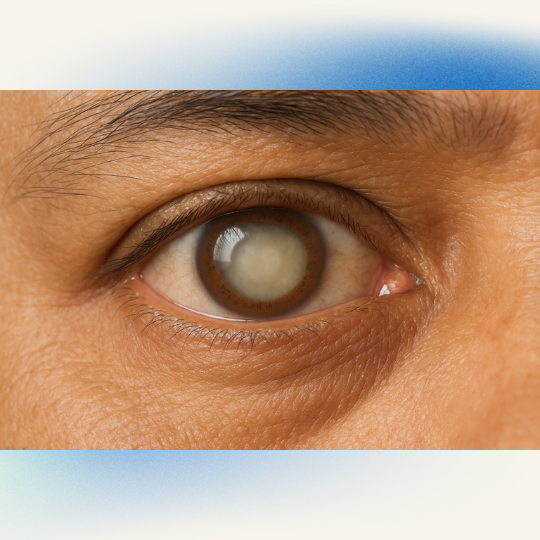
Cataracts are one of the most common age-related eye conditions, causing the natural lens of the eye to become cloudy. Left untreated, they can significantly reduce vision and affect daily activities such as reading, driving, and recognising faces. Fortunately, cataract surgery is one of the safest and most successful medical procedures available today.
Modern cataract surgery is generally performed as a day-care procedure, meaning patients usually return home on the same day without requiring prolonged hospitalisation. Since many health insurance companies now recognise day-care treatments, cataract surgery is covered under several Star Health policies, provided the policyholder has completed the applicable waiting period and meets the policy terms. Coverage may include surgeon fees, operation theatre charges, hospitalisation, pre-operative tests, post-operative consultations, and eligible intraocular lens costs, depending on the policy.
Patients should remember that coverage limits and sub-limits vary between plans. Reading the policy document carefully before treatment is always recommended.
Star Health Insurance Waiting Period Explained
A waiting period is the duration during which certain medical conditions cannot be claimed after purchasing a health insurance policy. Waiting periods help insurers prevent people from buying insurance only when they already know they need treatment.
For Star Health Insurance, there are generally three types of waiting periods that may apply:
| Waiting Period | Typical Duration | Applies To |
|---|---|---|
| Initial Waiting Period | 30 Days | Most illnesses (not accidents) |
| Cataract Waiting Period | 1–2 Years | Cataract surgery (policy-dependent) |
| Pre-existing Disease Waiting Period | Depends on plan | Existing medical conditions |
Most Star Health plans specify that cataract surgery is covered only after completing 1 or 2 years of continuous policy coverage, although the exact duration depends on the chosen policy. A group 60 age of plans may specify a 24-month waiting period, while some corporate or customised group policies may waive or reduce these conditions.
The key takeaway is simple: always verify the waiting period mentioned in your specific policy schedule rather than assuming all Star Health plans follow identical rules.
- Does every Star Health policy have the same waiting period?
- Cataract surgery expenses covered and excluded
- Cashless vs reimbursement claims
- Coverage limits and sub-limits
- Practical claim tips
- Common reasons for claim rejection
- Expert advice and comparison tables.