
If you are tired of wearing glasses or contact lenses and looking for a safe, advanced, and minimally invasive vision correction procedure, SMILE laser eye surgery may be the perfect solution. SMILE has become one of the most preferred refractive procedures worldwide because of its precision, faster recovery, and comfort.
In this detailed guide, we will explore everything you need to know about SMILE laser surgery—how it works, who is eligible, benefits, recovery, cost, and frequently asked questions.
What is SMILE Laser Eye Surgery?
SMILE (Small Incision Lenticule Extraction) is an advanced laser vision correction procedure designed to treat the following:
- Myopia (nearsightedness)
- Astigmatism
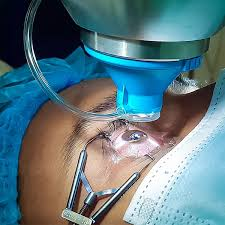
During the procedure, a femtosecond laser creates a tiny lens-shaped tissue (called a lenticule) inside the cornea. This lenticule is removed through a very small incision, reshaping the cornea and correcting vision.
Unlike LASIK, SMILE does not require creating a large corneal flap.


How Does SMILE Surgery Work?
The procedure usually takes 10–15 minutes for both eyes.
Step 1: Eye Preparation
- Numbing eye drops are applied.
- The eye is gently positioned under the laser.
Step 2: Laser Creation
- A femtosecond laser creates a thin lenticule inside the cornea.
Step 3: Small Incision
- A tiny incision (2–4 mm) is made.
Step 4: Lenticule Removal
- The surgeon removes the lenticule through the incision.
Step 5: Vision Correction
- The cornea reshapes naturally, improving vision.
Who is eligible for SMILE laser?
You may be a good candidate if:
- Age is above 18 years
- Stable eye power for at least 1 year
- Myopia generally up to -10D
- Astigmatism within treatable range
- Healthy cornea
- No active eye infection
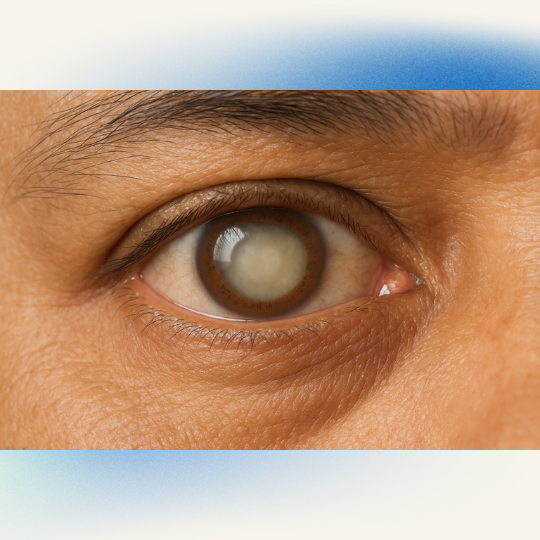
Certain conditions like severe dry eyes, cataracts, or unstable corneas may require other treatments.
Benefits of SMILE Laser Surgery:
1. Flap-Free Procedure
Unlike LASIK, no corneal flap is created.
2. Minimal Discomfort
Most patients experience very little discomfort.
3. Faster Recovery
Many patients notice clearer vision within 24–48 hours.
4. Less Dry Eye Symptoms
SMILE may preserve more corneal nerves compared with LASIK.
5. Small Incision
Only a tiny incision is required.


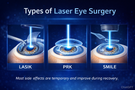
SMILE vs LASIK vs PRK:
| Feature | SMILE | LASIK | PRK |
|---|---|---|---|
| Flap | No | Yes | No |
| Incision | Very Small | Larger | None |
| Recovery | Fast | Fast | Moderate |
| Dry Eye Risk | Lower | Moderate | Lower |
| Comfort | High | High | Moderate |
What Tests Are Needed Before SMILE Surgery?
A complete eye evaluation usually includes:
- Vision testing
- Corneal topography
- Corneal thickness measurement
- Tear film analysis
- Retina examination
- Eye pressure measurement
These tests help determine if you are suitable for surgery.
Recovery After SMILE Surgery:
First 24 Hours
- Mild watering
- Slight blurry vision
- Light sensitivity
First Week
- Vision gradually sharpens
- Avoid eye rubbing
- Use prescribed eye drops
1st Month
- Most patients enjoy stable, clear vision
Possible Risks and Side Effects
Like any surgery, SMILE has some possible side effects:
- Temporary dryness
- Halos around lights
- Mild glare
- Temporary blurred vision
- Rare under-correction or over-correction
An experienced refractive surgeon reduces these risks significantly.
How Long Does SMILE Last?
SMILE provides long-term vision correction. The corneal reshaping is permanent, though natural age-related changes such as presbyopia may still occur later in life.
What is the Success Rate of SMILE?
SMILE has shown high success rates worldwide, with most patients achieving 20/20 vision or better when appropriately selected.
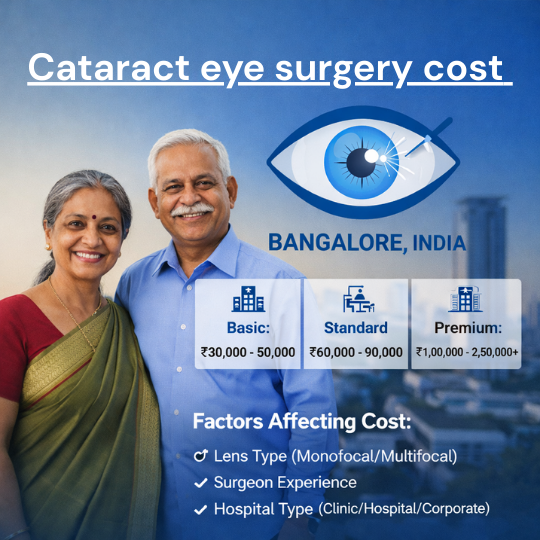
How Much Does SMILE Surgery Cost?
The cost depends on:
- Technology used
- Surgeon’s experience
- Hospital infrastructure
- Pre-operative testing
- Post-operative care
In major Indian cities like Bengaluru, SMILE surgery commonly varies by hospital and technology package.
Frequently Asked Questions:
Is SMILE surgery painful?
No. Numbing drops are used, so the procedure is generally painless.
Can both eyes be treated on the same day?
Yes, both eyes are usually treated during the same session.
When can I return to work?
Most patients return to work within 1–3 days.
Is SMILE better than LASIK?
It depends on your corneal condition, lifestyle, and eye power.
Can SMILE treat cylindrical power?
Yes, SMILE can treat many cases of astigmatism.
Final Thoughts:
SMILE laser eye surgery is one of the most advanced and patient-friendly vision correction procedures available today. With flap-free technology, quick recovery, and excellent visual outcomes, it is an excellent option for many people who want freedom from glasses or contact lenses. The best way to know whether SMILE is right for you is through a detailed refractive evaluation by an experienced eye surgeon.