
Introduction:
Have you ever typed “eye care center near me” into Google and felt overwhelmed by all the options? You’re not alone. Our eyes are one of the most sensitive and valuable organs, and when something feels off, we all want the best care without traveling too far. This article is your step-by-step guide to understanding eye care centers, what they offer, and how to choose the right one for your needs.

Why Eye Health Should Be a Priority:
Common Eye Problems Today
From blurred vision to dry eyes, more and more people are facing vision challenges. Factors like excessive screen use, poor diet, and aging play major roles.
How Lifestyle Affects Vision
Too much screen time? Long hours in front of computers and phones can lead to digital eye strain. Lack of sleep, smoking, and skipping eye checkups also increase risks.
What Is an Eye Care Center?
An eye care center is more than just a place to get glasses. It’s a specialized facility where you can find diagnosis, treatment, and preventive services for all eye-related conditions.
- Eye clinic → Usually for consultations and minor treatments.
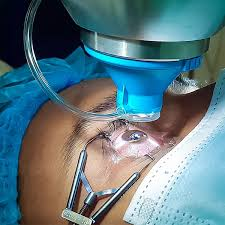
- Eye hospital → Equipped for advanced surgeries like cataract or LASIK.
- Optical store → Mainly for glasses and contact lenses.
Types of Eye Specialists You May Find
- Ophthalmologist—A medical doctor who can perform surgeries.
- Optometrist – Focuses on vision testing, prescriptions, and basic eye health.
- Optician – Helps you with glasses and lenses but doesn’t treat medical conditions.
When Should You Visit an Eye Care Center?
- Blurry or double vision
- Frequent headaches
- Difficulty reading small print
- Sudden eye pain or injury
- Family history of eye diseases
Even without problems, experts recommend a routine checkup every 1–2 years.
Top Services at a Good Eye Care Center:
- Comprehensive Eye Exams – Detect hidden issues.
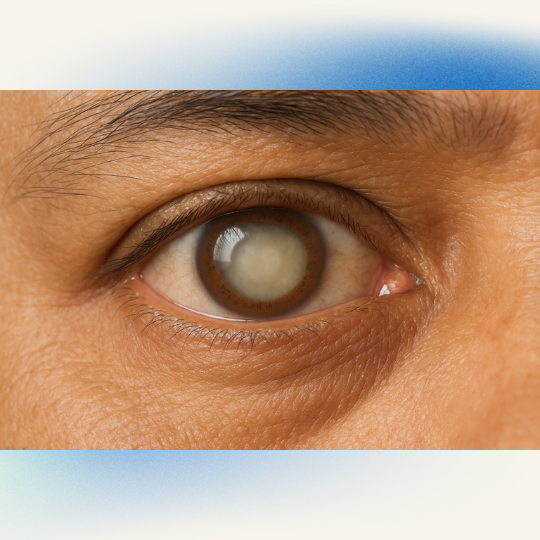
- Cataract Surgery – Restore clear vision.
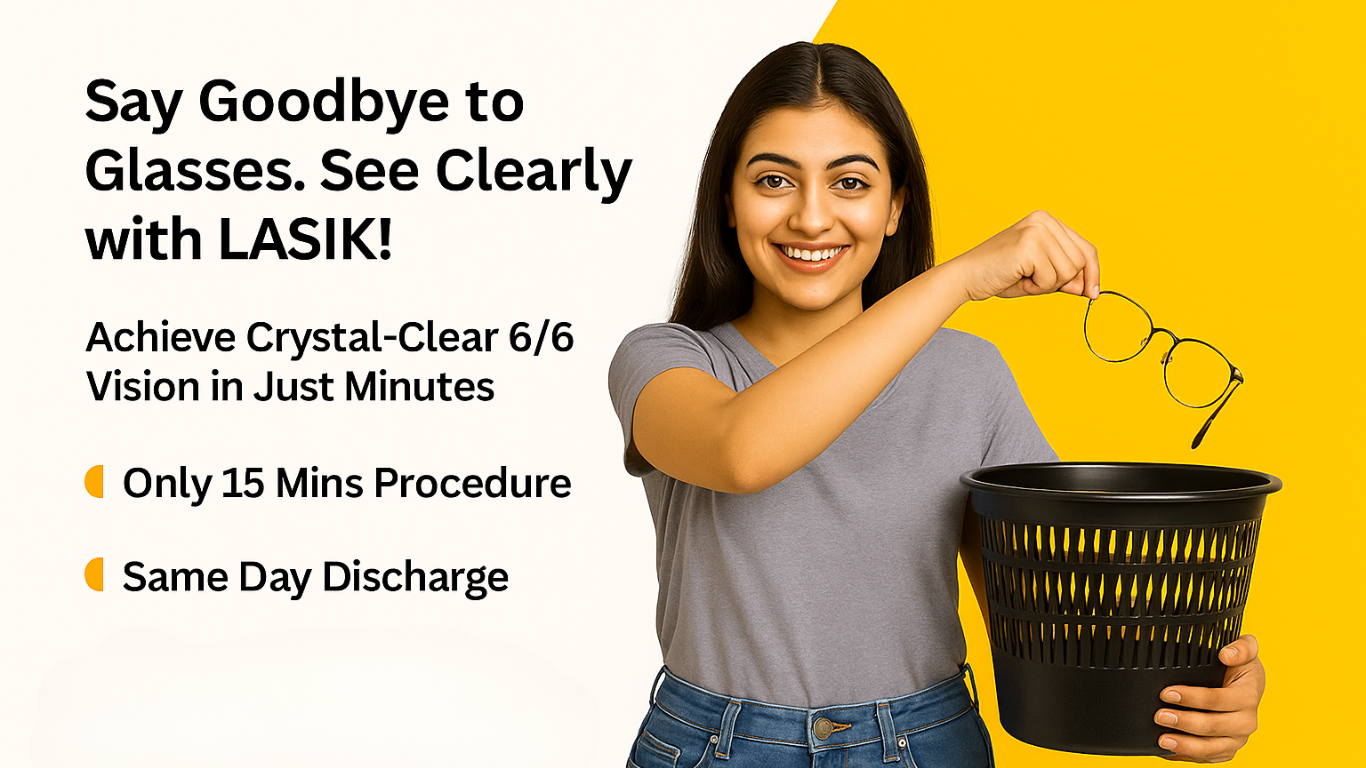
- LASIK & Vision Correction – Freedom from glasses.
- Glaucoma Management – Prevent irreversible blindness.
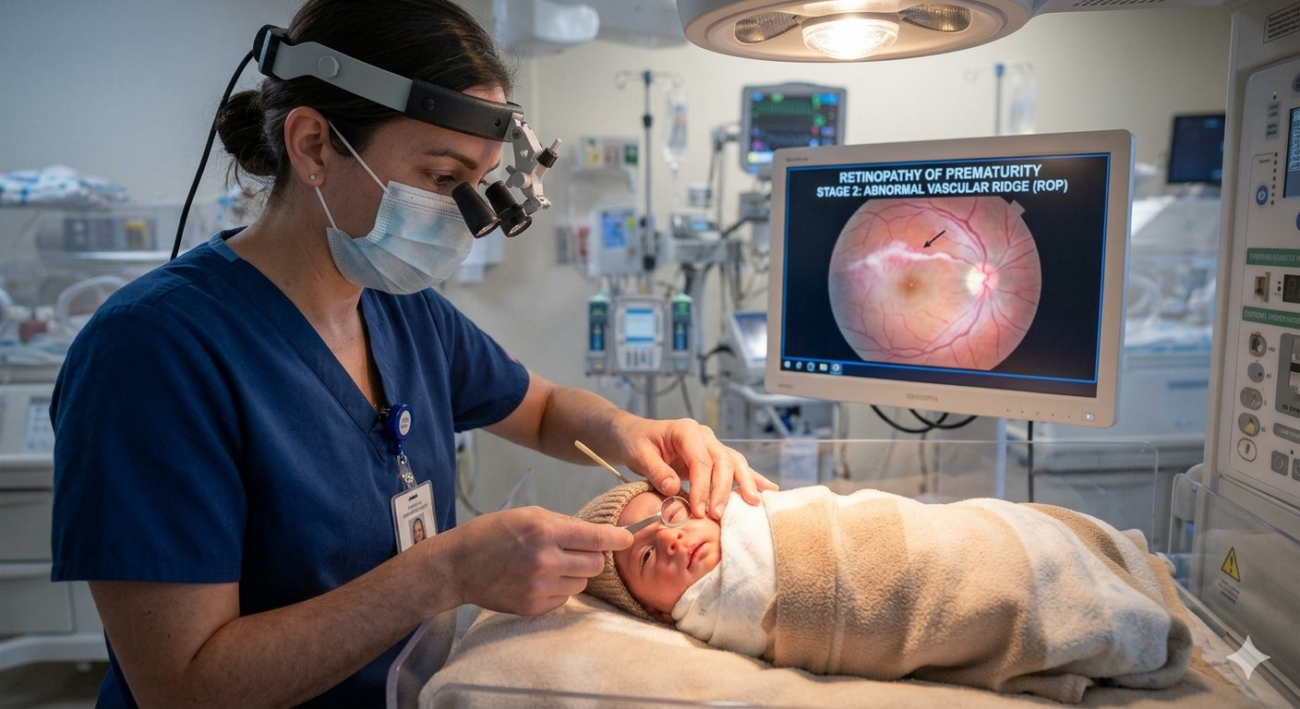
- Pediatric Eye Care – Catch early vision issues in children.
- Emergency Care – For injuries, infections, or sudden vision loss.
How to Search for the Best Eye Care Center Near Me
- Use Google Maps & Reviews – Real experiences from patients.
- Check accreditations & facilities – Are they NABH or ISO certified?
- Ask friends & family – Word of mouth often reveals trusted doctors.
Factors to Consider Before Choosing an Eye Care Center
- Doctor’s Experience – Years of practice and specialization.
- Technology – Advanced machines for accuracy.
- Accessibility – Close to your home or workplace.
- Cost & Insurance – Do they accept your plan?
Why Local Eye Care Centers Are Beneficial
Choosing a nearby center has its perks:
- Easy to reach during emergencies
- Saves travel time
- Builds trust with the community doctor
Eye Care for Children
Kids often don’t express vision problems. Early screening can detect lazy eye, squint, or high power before it’s too late.
Eye Care for Adults
With age, conditions like cataracts, presbyopia, and glaucoma become common. Regular checkups help in early treatment.
Emergency Eye Care Services
Sudden eye injury? Splashed chemicals? Vision loss? Don’t wait. Seek an emergency eye hospital immediately. Meanwhile, avoid rubbing the eye and rinse gently if chemicals are involved.
Tips to Maintain Healthy Vision
- Eat foods rich in vitamin A, omega-3, and antioxidants.
- Follow the 20-20-20 rule for screen use (every 20 minutes, look 20 feet away for 20 seconds).
- Stay hydrated and get good sleep.
Future of Eye Care Centers
The future is exciting—AI-based eye scans, smart diagnostic tools, and tele-ophthalmology (online consultations) are making eye care faster and more accessible.
Conclusion
Your eyes deserve the best care without compromise. The next time you search for “eye care center near me”, don’t just pick the closest—choose the one that offers trusted doctors, advanced technology, and compassionate care. After all, good vision means a better quality of life.
FAQs:
1. How often should I get my eyes checked?
Every 1–2 years, or sooner if you notice vision changes.
2. What’s the difference between LASIK and cataract surgery?
LASIK reshapes the cornea to fix vision errors, while cataract surgery replaces a cloudy lens.
3. Are local eye care centers reliable?
Yes, many local centers have top doctors and modern equipment.
4. Can kids wear contact lenses?
Yes, but only after an eye doctor’s approval and proper training.
5. What should I do if I suddenly lose vision?
Seek emergency care immediately—don’t delay.