

Eye Specialists Near Me: Your Complete Guide to Better Vision
Introduction to Eye Specialists
Have you ever typed “eye specialist near me” in Google and felt confused with the results? You’re not alone. Finding the right expert for your eye health can feel overwhelming, especially when so many clinics and doctors pop up. But here’s the good news—this guide will walk you through everything you need to know before choosing the right eye specialist.
Why Eye Health Should Be Your Priority
Your eyes aren’t just windows to the world—they’re also windows to your health. Many diseases like diabetes, hypertension, and even brain conditions can be detected early through an eye exam. Neglecting vision problems might not just affect your eyesight but your overall well-being too.
Who is an eye specialist?
Ophthalmologist vs. Optometrist vs. Optician
Not all “eye doctors” are the same.
- Ophthalmologist—A medical doctor who diagnoses and treats all eye conditions, including surgery.
- Optometrist—Specializes in vision testing, prescribing glasses or contact lenses, and managing some eye problems.
- Optician – Helps you with lenses and frames but does not diagnose or treat medical eye issues.
Roles and Responsibilities of an Eye Specialist
An eye specialist is trained to detect vision issues, treat diseases, perform surgeries, and guide you on preventive care. Simply put—they help you see life clearly.
Common Eye Problems That Require a Specialist
Refractive Errors (Nearsightedness, Farsightedness, Astigmatism)
Blurry vision while reading road signs or books? These are signs of refractive errors. Corrective lenses or surgeries like LASIK can fix them.
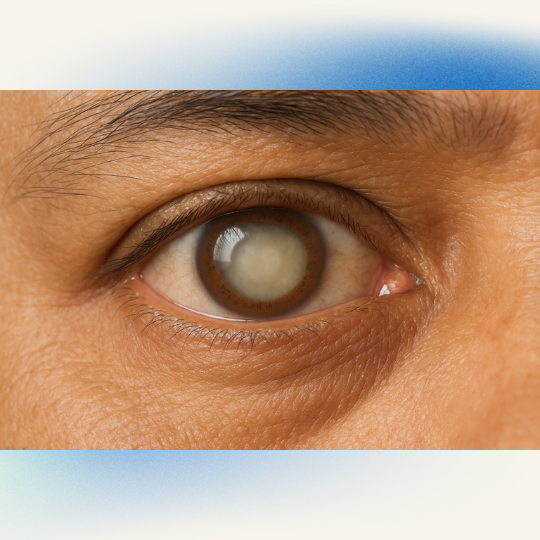
Cataracts
A cloudy lens makes vision hazy. Cataracts mostly affect older adults but can be treated successfully with surgery.
Glaucoma
Called the “silent thief of sight,” glaucoma damages the optic nerve without warning. Regular checkups are key to prevention.
Age-Related Macular Degeneration (AMD)
AMD causes loss of central vision, making reading or recognizing faces difficult. Early detection can slow its progression.
Diabetic Retinopathy
If you have diabetes, uncontrolled sugar can damage your retina. Regular eye exams can prevent severe vision loss.
Dry Eyes and Computer Vision Syndrome
Spending long hours on digital screens? You may face dry eyes, irritation, or blurred vision. Eye specialists provide customized solutions for relief.
Signs You Should See an Eye Specialist
- Blurred or Double Vision – Difficulty focusing on objects.
- Eye Pain or Headaches – Could be a sign of underlying eye strain or disease.
- Sudden Loss of Vision – A red alert that needs immediate attention.
- Light Sensitivity or Halos Around Lights – Often linked to cataracts or corneal issues.
How to Find the Best Eye Specialist Near Me
Use Online Search and Maps
Typing “eye specialist near me” on Google Maps can instantly show nearby clinics.
Check Reviews and Ratings
Patient reviews reveal real experiences about doctors, staff behavior, and treatments.
Hospital or Clinic Accreditation
Choose clinics certified by medical boards or recognized hospitals for reliable care.
Word of Mouth Recommendations
Nothing beats trusted advice from family and friends.
Availability of Advanced Technology
Modern eye care relies on lasers, OCT scans, and advanced diagnostic machines. A well-equipped clinic means better outcomes.
What to Expect During Your Eye Specialist Visit:
Comprehensive Eye Examination
Includes vision testing, slit-lamp examination, and retina evaluation.
Advanced Diagnostic Tests
Specialists may recommend OCT, corneal topography, or visual field tests.
Personalized Treatment Options
From glasses to surgeries, you’ll get a treatment plan tailored for your needs.
Different Eye Treatments Offered by Specialists
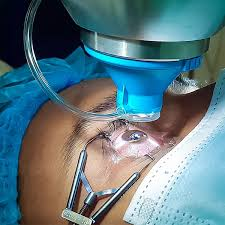
LASIK and Refractive Surgeries
Correct vision permanently by reshaping the cornea.
Cataract Surgery
Safe, painless, and restores clear vision with advanced intraocular lenses.
Glaucoma Management
Specialists use medicines, laser therapy, or surgery to control eye pressure.
Retinal Treatments
Includes injections, laser, and surgery for diabetic retinopathy or retinal detachment.
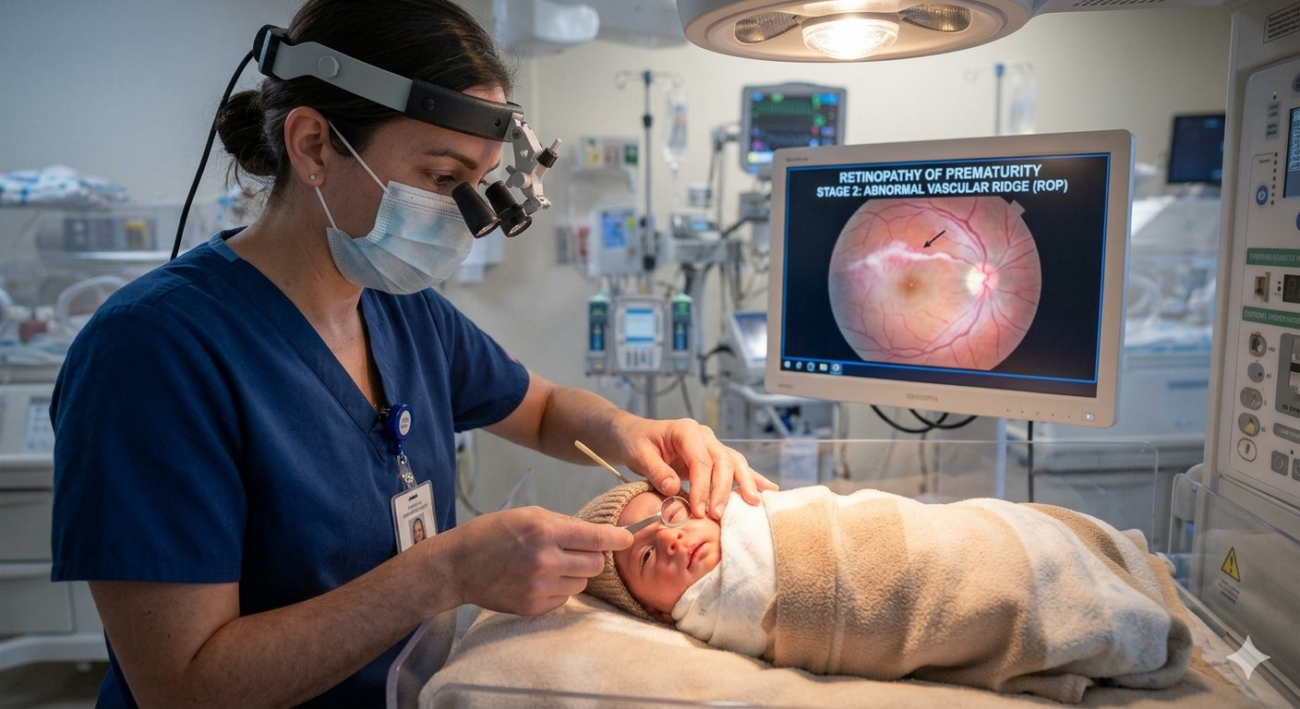
Pediatric Eye Care
Children’s vision problems like lazy eye or squint need early intervention.
Cost of Consulting an Eye Specialist
General Consultation Fees
Ranges between ₹500 – ₹1500 depending on city and clinic reputation.
Surgery and Treatment Costs
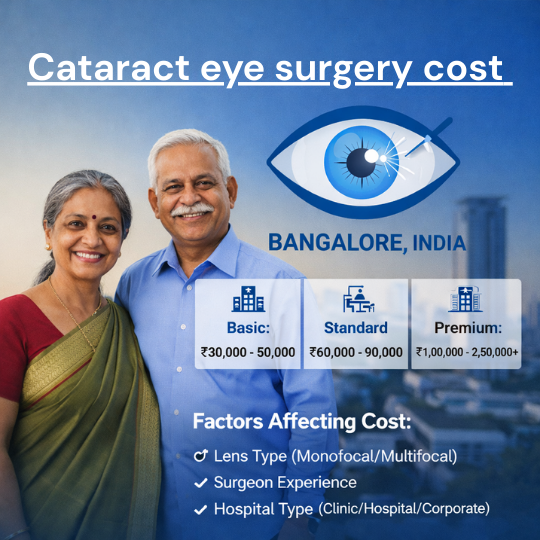
- LASIK: ₹30,000 – ₹1,00,000
- Cataract Surgery: ₹20,000 – ₹80,000 per eye
- Glaucoma Treatment: Varies with severity
Insurance Coverage for Eye Care
Some insurance plans cover surgeries but not routine eye checkups. Always confirm with your provider.
Tips to Maintain Good Eye Health
Regular Eye Checkups
Visit your specialist every 1–2 years, even if you have no problems.
Healthy Diet for Eyes
Leafy greens, fish rich in omega-3, and nuts are your eyes’ best friends.
Screen Time Management
Follow the 20-20-20 rule: every 20 minutes, look at something 20 feet away for 20 seconds.
Protective Eyewear
Wear sunglasses and protective goggles to shield against UV rays and injuries.
Conclusion
Your eyes are priceless, and so is the specialist who takes care of them. The next time you wonder “Which is the best eye specialist near me?”, remember to look beyond location. Consider expertise, technology, and patient care. After all, clear vision is not just about seeing better—it’s about living better.
FAQs
1. How often should I visit an eye specialist?
At least once every 1–2 years, or sooner if you notice vision changes.
2. Can I directly consult an ophthalmologist without referral?
Yes, you can book an appointment directly with an ophthalmologist.
3. Is LASIK safe for everyone?
Not for children, pregnant people, or people with thin corneas. A specialist will assess your suitability.
4. At what age should children start visiting an eye doctor?
By the age of 3, or earlier if you notice squinting, eye rubbing, or vision issues.
5. What’s the difference between an eye specialist and an optician?
An eye specialist diagnoses and treats diseases, while an optician only helps with lenses and frames.