
LASIK Eye Surgery Treatment
Imagine waking up in the morning and seeing the clock clearly without reaching for your glasses. For millions of people around the world, this is no longer a dream but a reality thanks to LASIK eye surgery treatment. LASIK has become one of the most popular vision correction procedures because it offers a fast, effective, and relatively painless way to reduce or eliminate dependence on glasses and contact lenses. Over the last two decades, laser technology has evolved dramatically, making procedures more precise and outcomes more predictable than ever before.
LASIK, or Laser-Assisted In situ keratomileusis is designed to correct refractive errors such as nearsightedness, farsightedness, and astigmatism. Modern studies show that the vast majority of patients achieve excellent visual outcomes, with many attaining 20/20 vision or better after treatment. According to recent clinical information from leading eye care institutions, approximately 90% of patients achieve 20/20 vision, while nearly all patients achieve driving-standard vision after successful LASIK treatment.
As lifestyles become increasingly dependent on screens, outdoor activities, and convenience, the demand for spectacle-free vision continues to grow. Understanding how LASIK works, who qualifies, and what results to expect can help individuals make an informed decision about whether this life-changing procedure is right for them.

Understanding LASIK Eye Surgery
What Does LASIK Stand For?
LASIK stands for Laser-Assisted In Situ Keratomileusis, a sophisticated refractive surgery procedure that reshapes the cornea using advanced laser technology. The cornea is the transparent front surface of the eye responsible for focusing incoming light onto the retina. When the cornea’s shape is imperfect, vision becomes blurry because light rays fail to focus properly.
Think of the cornea as a camera lens. If the lens is slightly misshapen, the resulting image becomes blurred. LASIK works by carefully sculpting the cornea to create a more accurate focusing system. Using highly precise lasers, eye surgeons can remove microscopic amounts of corneal tissue to improve how light enters the eye. This process permanently changes the cornea’s shape and helps achieve clearer vision.
The technology behind LASIK has advanced tremendously. Today’s systems utilise sophisticated eye-tracking software, wavefront-guided treatment planning, and femtosecond lasers that enhance both safety and precision. These innovations have contributed significantly to the high success rates seen in modern refractive surgery.
How LASIK Corrects Vision Problems
Vision problems occur because of refractive errors. In myopia, or nearsightedness, light focuses in front of the retina. In hyperopia, or farsightedness, light focuses behind the retina. Astigmatism occurs when the cornea has an irregular shape that creates multiple focal points.
LASIK addresses these issues by modifying the curvature of the cornea. For myopia, the laser flattens the cornea slightly. For hyperopia, it steepens certain areas. For astigmatism, the procedure smooths uneven corneal surfaces. The laser treatment itself often takes less than a minute per eye, making LASIK one of the fastest surgical procedures available. Patients are typically awake throughout the procedure and experience minimal discomfort due to anaesthetic eye drops.
Who Can Benefit from LASIK Surgery?
Common Vision Problems Treated by LASIK
LASIK is highly effective for correcting several common refractive conditions. These include:
| Vision Condition | Description | LASIK Effectiveness |
|---|---|---|
| Myopia | Difficulty seeing distant objects | Excellent |
| Hyperopia | Difficulty seeing nearby objects | Very Good |
| Astigmatism | Distorted or blurred vision | Excellent |
| Mixed Astigmatism | Combination of refractive errors | Very Good |
Patients suffering from these conditions often rely heavily on spectacles or contact lenses. LASIK offers an opportunity to significantly reduce this dependence while enhancing daily convenience and visual freedom.
Many individuals choose LASIK because of active lifestyles. Athletes, swimmers, travellers, and professionals who work long hours may find glasses and contacts inconvenient. The ability to enjoy activities without visual aids often becomes one of the most appreciated benefits of successful LASIK treatment.
Ideal Candidates for LASIK
Not everyone is a suitable candidate for LASIK. The best outcomes occur when patients meet specific criteria established during a comprehensive eye examination. Generally, ideal candidates are over 18 years old, have stable vision prescriptions, healthy corneas, and no significant eye diseases.
Corneal thickness plays a critical role because LASIK requires removing a small amount of corneal tissue. Individuals with very thin corneas may be better suited for alternative procedures such as SMILE or implantable contact lenses. Eye specialists also evaluate tear production, pupil size, retinal health, and overall eye structure before recommending surgery.
A thorough preoperative evaluation helps maximise safety while minimising risks. This screening process is one of the most important factors influencing long-term success and patient satisfaction.
Types of LASIK and Advanced Laser Vision Correction Procedures
Traditional LASIK
Traditional LASIK remains widely used and effective. During this procedure, a thin corneal flap is created before laser reshaping begins. Once the laser treatment is completed, the flap is repositioned and heals naturally without stitches.
Bladeless Femto LASIK
Bladeless LASIK uses a femtosecond laser instead of a mechanical blade to create the corneal flap. This technology offers exceptional precision and has become a preferred option in many advanced eye care centres.
Patients often appreciate the enhanced predictability associated with femtosecond laser technology. The flap thickness can be customised more accurately, reducing potential complications and improving overall outcomes.
Contoura Vision LASIK
Contoura Vision represents one of the most advanced forms of LASIK currently available. It maps thousands of unique corneal elevation points to create a highly personalised treatment plan.
By correcting subtle corneal irregularities, Contoura Vision can improve not only visual acuity but also visual quality. Many patients report sharper vision, reduced glare, and improved night driving experiences compared to conventional laser treatments.
SMILE Eye Surgery
SMILE (Small Incision Lenticule Extraction) is a minimally invasive alternative to LASIK. Instead of creating a large flap, a tiny incision is used to remove a small lenticule of corneal tissue.
SMILE is particularly attractive for patients with dry eye concerns or those participating in contact sports. The procedure preserves more corneal nerve fibres and may result in reduced postoperative dryness compared to traditional LASIK.
LASIK Surgery Procedure Step by Step
Pre-Surgery Evaluation
Every successful LASIK journey begins with a comprehensive eye assessment. Advanced diagnostic equipment measures corneal thickness, corneal curvature, pupil size, tear film quality, and refractive error.
This evaluation helps determine candidacy and identifies the most suitable treatment approach. Eye surgeons use the collected data to create a customised surgical plan tailored specifically to each patient’s visual needs.
During the Procedure
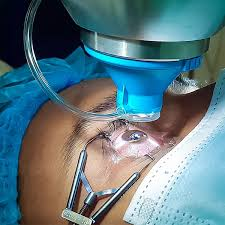
The actual LASIK procedure typically takes less than 30 minutes for both eyes. Numbing eye drops are applied to ensure comfort. A thin flap is created, the underlying corneal tissue is reshaped with an excimer laser, and the flap is repositioned. Most patients describe feeling mild pressure rather than pain.
Modern laser systems incorporate advanced eye-tracking technology that follows microscopic eye movements during treatment. This ensures exceptional accuracy and safety throughout the procedure.
Immediately After Surgery
Vision often improves within hours. Many patients notice significant visual clarity on the same day, although some blurriness and mild irritation are common during the first few hours. Protective shields and prescribed eye drops support healing while minimising infection risk.
Benefits of LASIK Eye Surgery
Improved Quality of Life
The greatest benefit of LASIK is freedom. Imagine travelling without contact lens solution, exercising without foggy glasses, or waking up with clear vision every day. These seemingly small conveniences create a substantial positive impact on daily life.
Many patients report increased confidence and satisfaction following successful treatment. Activities such as sports, outdoor adventures, and professional work become simpler and more enjoyable.
Long-Term Cost Savings
Although LASIK requires an upfront investment, it may reduce long-term expenses associated with prescription glasses, contact lenses, cleaning solutions, and routine optical updates.
Over a decade or longer, these savings can become substantial. For individuals who regularly replace designer eyewear or premium contact lenses, LASIK may prove financially beneficial in addition to its lifestyle advantages.
Risks and Side Effects of LASIK
Common Temporary Side Effects
Like any medical procedure, LASIK carries certain risks. The most common side effects include:
- Dry eyes
- Temporary glare
- Halos around lights
- Light sensitivity
- Mild discomfort
These symptoms usually improve during the healing process. Eye drops and proper postoperative care help manage these effects effectively.
Rare Complications
Serious complications are uncommon but possible. These may include infection, flap-related issues, under-correction, over-correction, or visual disturbances. Careful patient selection and experienced surgeons significantly reduce these risks.
The importance of choosing a reputable eye care centre cannot be overstated. Comprehensive screening and advanced technology remain essential components of safe and successful LASIK outcomes.
LASIK Recovery Timeline
First 24 Hours
The first day after surgery is crucial for healing. Most patients rest, avoid screens when possible, and use prescribed medications exactly as instructed. Vision often improves dramatically within this period.
Protective eye shields may be worn during sleep to prevent accidental rubbing. Patients should avoid swimming, heavy exercise, and dusty environments during the initial recovery phase.
First Week and First Month
Within a week, many patients return to normal work activities. Vision continues stabilising over several weeks, while minor fluctuations may occur during healing. Most individuals experience significant improvement within days, though complete stabilisation can take several weeks to months depending on individual factors. (Mayo Clinic)
Follow-up visits ensure proper healing and allow the surgeon to monitor progress closely.
LASIK Surgery Cost and Value
LASIK costs vary based on technology, surgeon expertise, location, and customisation level. Premium procedures such as Contoura Vision or Femto LASIK generally cost more than conventional treatments.
| Procedure Type | Typical Price Range in India |
|---|---|
| Standard LASIK | ₹25,000 – ₹50,000 |
| Femto LASIK | ₹60,000 – ₹120,000 |
| Contoura Vision | ₹90,000 – ₹150,000 |
| SMILE Surgery | ₹100,000 – ₹180,000 |
Patients should focus on value rather than simply seeking the lowest price. Surgeon experience, technology quality, and postoperative support contribute significantly to long-term satisfaction and visual outcomes.
Choosing the Right Eye Surgeon:
Selecting the right surgeon may be the most important decision in the LASIK journey. Look for extensive experience, advanced diagnostic technology, transparent communication, and strong patient reviews.
Questions worth asking include:
- How many LASIK procedures have you performed?
- Which laser technologies do you use?
- What alternatives do you recommend if I am not an ideal candidate?
- What are the expected outcomes based on my prescription?
An experienced refractive surgeon prioritises patient safety and provides realistic expectations rather than making exaggerated promises.
Conclusion:
LASIK eye surgery treatment has transformed the lives of millions by providing a safe, effective, and convenient solution for vision correction. Advances in laser technology, patient screening, and surgical precision have made modern LASIK more predictable than ever before. Most patients achieve excellent vision, reduced dependence on glasses, and significant improvements in daily convenience and quality of life.
The key to a successful outcome lies in careful evaluation, selecting the right procedure, and choosing an experienced surgeon. Whether you’re tired of glasses fogging up during workouts or simply want the freedom of clear vision upon waking, LASIK may offer the life-changing solution you’ve been seeking.
Frequently Asked Questions:
1. Is LASIK surgery painful?
No. Numbing eye drops are used during the procedure, and most patients experience only mild pressure rather than pain.
2. How long does LASIK surgery take?
The procedure typically takes less than 30 minutes for both eyes, while the laser treatment itself usually lasts only seconds per eye.
3. How soon can I return to work after LASIK?
Many patients return to work within 24 to 48 hours, depending on their comfort level and occupation.
4. Are LASIK results permanent?
LASIK permanently reshapes the cornea. However, natural age-related vision changes may still occur later in life.
5. What is the success rate of LASIK?
Modern LASIK demonstrates very high success rates, with approximately 90% of patients achieving 20/20 vision and nearly all patients reaching driving-standard vision after treatment.