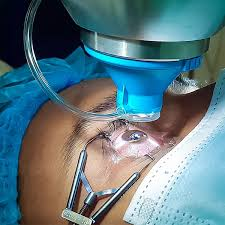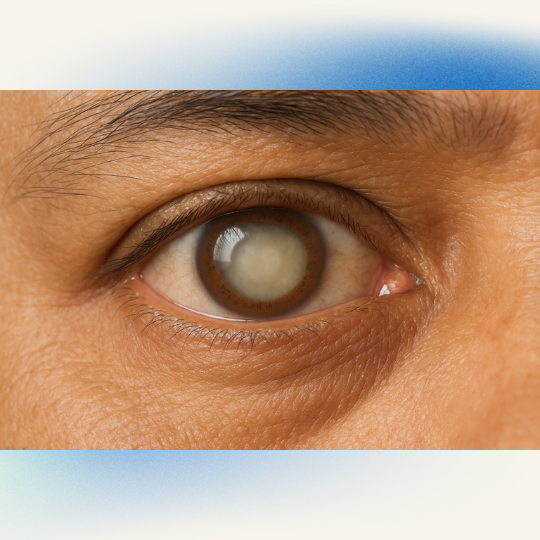

LASIK stands for Laser-Assisted. In Situ Keratomileusis, a laser vision correction procedure designed to reduce or eliminate dependence on glasses and contact lenses. The latest LASIK eye surgery treatment reshapes the cornea so that light entering the eye focuses correctly on the retina. Think of the cornea like the windscreen of a car. If the shape is uneven, your vision becomes blurry. LASIK smooths and reshapes that surface with extreme precision.
The procedure typically takes less than 15 minutes for both eyes, and most patients notice improved vision within 24 hours. Modern LASIK has become far more sophisticated than earlier generations because surgeons now rely on computerised corneal mapping and AI-assisted planning rather than standard prescriptions alone. The newest systems can identify microscopic imperfections called higher-order aberrations, which older LASIK machines could not fully correct.
One major reason LASIK became globally popular is convenience. People no longer want to struggle with foggy glasses during workouts, dry contact lenses during long workdays, or dependency on corrective eyewear while travelling. Athletes, software professionals, students, pilots, and healthcare workers often prefer laser vision correction because it improves lifestyle freedom. The latest procedures are also less invasive, making recovery much quicker than older laser treatments.

The Evolution of Modern LASIK Technology
The journey from early LASIK systems to today’s AI-guided laser platforms is astonishing. Traditional LASIK mainly depended on eyeglass prescriptions and manual surgical calculations. While results were often good, some patients still experienced glare, halos, or inconsistent night vision. The newest laser systems focus on complete eye personalisation rather than one-size-fits-all correction.
Modern femtosecond lasers replaced older mechanical blades used to create the corneal flap. This advancement dramatically improved safety and precision. Robotic femtosecond systems now integrate OCT imaging and automated alignment tools that help surgeons achieve highly accurate flap creation. Patients benefit from more predictable outcomes, smoother recovery, and fewer complications.
Another revolutionary change is the use of wavefront analysis and ray-tracing technology. Instead of measuring only the front surface of the eye, modern systems evaluate how light travels through the entire optical pathway. This creates a “digital fingerprint” of the eye, allowing surgeons to customise treatment specifically for each patient. It is similar to upgrading from a paper map to GPS navigation. The system understands every visual detail before treatment begins.
Latest LASIK Technologies in 2026
WaveLight Plus InnovEyes
One of the biggest breakthroughs in laser vision correction is WaveLight Plus InnovEyes. This AI-driven platform creates a detailed 3D model of the eye and uses ray-tracing technology to personalise treatment. According to recent reports, the system can map visual imperfections with extraordinary precision and improve higher-order aberrations that traditional LASIK may miss.
Clinics using this platform advertise faster recovery, improved night vision, and sharper visual quality. Some centres report patient satisfaction rates close to 99%. The laser treatment itself often takes only a few seconds per eye, which reduces patient anxiety and improves comfort during surgery. AI-assisted planning also minimises the chance of human calculation errors.
Contoura Vision LASIK
Contoura Vision has become increasingly popular because it focuses on corneal irregularities instead of only correcting spectacle power. This procedure maps thousands of unique elevation points on the cornea and uses that information to create a highly personalized laser treatment pattern.
Many patients who previously struggled with glare or halos from older LASIK procedures are now choosing Contoura-enhanced treatments. Surgeons often recommend it for people with mild irregular astigmatism or demanding visual needs like night driving and digital screen work. Patients commonly describe their post-surgery vision as “HD vision” because clarity feels sharper and more natural.
SMILE Pro and ZEISS VisuMax Pro 800
The newest SMILE Pro procedures using the ZEISS VisuMax Pro 800 are redefining minimally invasive vision correction. Unlike traditional LASIK, SMILE creates a tiny incision instead of a large corneal flap. This may reduce dry eye symptoms and preserve more corneal strength.
The ZEISS VisuMax Pro 800 performs treatment much faster than previous SMILE systems. Faster laser delivery improves patient comfort and reduces the possibility of eye movement during surgery. This technology is especially attractive for younger patients and individuals concerned about flap-related complications.
Robotic Femtosecond LASIK
Robotic-assisted LASIK is another exciting development. These systems combine robotic guidance with real-time OCT imaging to create ultra-precise corneal flaps. Surgeons gain better visualisation during surgery, which enhances consistency and safety.
Although robotic LASIK is still expanding globally, experts believe it could become a standard feature in advanced refractive surgery centres over the next decade.
AI-Powered Personalised LASIK:
Artificial intelligence is transforming eye surgery in remarkable ways. Modern LASIK systems now use predictive analytics and eye modelling software to simulate how your cornea will respond after treatment. This helps surgeons select the ideal laser pattern before the procedure even begins.
The newest ray-tracing platforms analyse the entire visual system, including the cornea, lens, and retina. Instead of correcting only the visible prescription, they aim to optimise the complete optical pathway. This approach can improve contrast sensitivity, night driving vision, and overall visual sharpness.
Patients often ask whether AI replaces the surgeon. The answer is no. AI acts more like an advanced navigation system that helps the surgeon make more accurate decisions. The experience and skill of the surgeon still remain critical. Technology is powerful, but human expertise is what ensures safe and successful outcomes.
Types of Vision Problems LASIK Can Treat:
LASIK is mainly designed to treat refractive errors. These occur when the eye cannot properly focus light onto the retina.
| Vision Problem | What Happens | How LASIK Helps |
|---|---|---|
| Myopia (Nearsightedness) | Distant objects appear blurry | Flattens the cornea |
| Hyperopia (Farsightedness) | Nearby objects appear blurry | Steepens the cornea |
| Astigmatism | Vision becomes distorted | Smooths uneven corneal shape |
The most common condition treated with LASIK is myopia. Millions of people worldwide struggle with nearsightedness due to increased screen time, indoor lifestyles, and genetic factors. Modern laser systems can now treat higher levels of myopia more safely than earlier technologies.
Astigmatism correction has also improved dramatically. Topography-guided LASIK systems precisely map irregular corneal patterns, resulting in sharper and more stable outcomes. Hyperopia remains slightly more challenging than myopia, but modern wavefront-guided treatments have improved accuracy significantly.
Who Is the Best Candidate for LASIK?
Not everyone is a good candidate for laser eye surgery. A successful outcome depends heavily on proper screening and evaluation. Most surgeons recommend LASIK only after the age of 18, though many prefer patients to be over 21 with stable eye power for at least one year.
Corneal thickness plays a major role because LASIK removes microscopic tissue from the cornea. Thin corneas may increase the risk of ectasia, a rare but serious complication where the cornea weakens and bulges forward. Recent malpractice discussions online have highlighted the importance of careful preoperative screening for keratoconus and corneal instability.
Ideal LASIK candidates usually have:
- Stable vision prescription
- Healthy corneas
- No active eye disease
- Realistic expectations
- Good tear film quality
Patients with severe dry eyes, autoimmune disorders, uncontrolled diabetes, or progressive keratoconus may need alternative procedures such as ICL surgery or PRK.
LASIK vs SMILE vs PRK:
Choosing the right vision correction procedure can feel overwhelming because each option has advantages and limitations.
| Procedure | Flap Required | Recovery Speed | Dry Eye Risk | Best For |
|---|---|---|---|---|
| LASIK | Yes | Very Fast | Moderate | General vision correction |
| SMILE | Small incision | Fast | Lower | Active lifestyles |
| PRK | No flap | Slower | Lower | Thin corneas |
Recent multicentre research comparing SMILE, FS-LASIK, and TransPRK found that all three procedures produced strong visual outcomes, though recovery experiences differed.
SMILE is increasingly preferred by athletes and younger patients because it preserves more corneal nerves. PRK remains valuable for patients with thinner corneas or certain occupational requirements. LASIK continues to dominate globally because of its rapid visual recovery and consistently high patient satisfaction.
LASIK Surgery Step-by-Step:
The LASIK journey starts with a comprehensive eye evaluation. Clinics use advanced imaging systems to measure corneal thickness, pupil size, tear quality, and refractive errors. Some centres also perform wavefront scans and corneal topography mapping to identify hidden irregularities.
During surgery, anaesthetic eye drops numb the eye completely. A femtosecond laser creates a thin corneal flap, which the surgeon gently lifts. The excimer laser then reshapes the cornea according to the treatment plan. Modern eye trackers monitor even microscopic eye movements during the procedure.
Most patients describe the experience as surprisingly comfortable. You may feel mild pressure for a few seconds, but severe pain is uncommon. Vision usually becomes clearer within hours, though fluctuations are normal during the first week.
Recovery instructions often include:
- Using antibiotic and lubricating eye drops
- Avoiding eye rubbing
- Wearing protective shields during sleep
- Avoiding swimming and dusty environments temporarily
Many people return to work within 24 to 48 hours.
Risks and Side Effects of Modern LASIK:
Although LASIK technology has improved significantly, no surgery is completely risk-free. Temporary dry eyes remain the most common side effect because laser treatment can disrupt corneal nerves responsible for tear production. Symptoms usually improve within a few months.
Some patients experience halos, glare, or starbursts at night, particularly during the early healing phase. Advanced wavefront-guided systems and AI-assisted technologies aim to reduce these issues by correcting higher-order aberrations more accurately.
Rare complications can still occur. These include infection, flap complications, under-correction, over-correction, and ectasia. Long-term studies continue to show strong safety profiles when patients are screened correctly.
The importance of proper patient selection cannot be overstated. The recent Colorado malpractice verdict involving undiagnosed keratoconus sparked major discussions in the refractive surgery community about ethical screening standards. This case reinforced a simple truth: the best LASIK surgery begins before the laser is even turned on.
Latest LASIK Success Rates and Research:
Modern LASIK success rates are remarkably high. Several recent reports suggest that over 95% of patients achieve 20/20 vision or better after advanced laser treatments. AI-guided ray-tracing systems are improving predictability even further.
Long-term studies also show encouraging stability. Research on LASIK combined with accelerated corneal crosslinking demonstrated stable outcomes over eight years in highly myopic patients. Crosslinking strengthens the cornea and may reduce the risk of ectasia in select cases.
A newer trend is combining refractive surgery with biomechanical reinforcement technologies. Surgeons are increasingly focused not only on achieving perfect vision today but also on preserving long-term corneal health for decades.
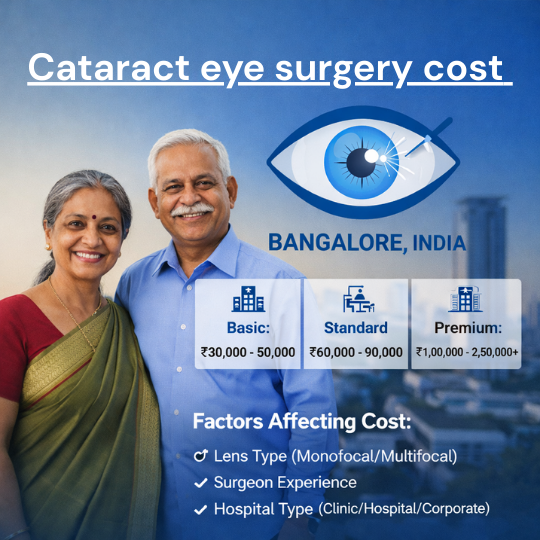
LASIK Cost in India in 2026:
LASIK pricing in India varies widely depending on technology, surgeon experience, and hospital reputation.
| Procedure Type | Average Cost in India |
|---|---|
| Standard LASIK | ₹25,000 – ₹50,000 |
| Femto LASIK | ₹60,000 – ₹100,000 |
| Contoura Vision | ₹90,000 – ₹140,000 |
| SMILE Pro | ₹100,000 – ₹180,000 |
| WaveLight Plus AI LASIK | ₹150,000+ |
Premium technologies cost more because they involve advanced imaging systems, AI software integration, and next-generation laser platforms. Choosing the cheapest clinic is rarely a wise decision for eye surgery. Surgeon expertise, diagnostic accuracy, and safety protocols matter far more than marketing discounts.
Patients should also ask about enhancement policies, follow-up care, and hidden costs before committing to surgery.
Future of Laser Vision Correction:
The future of vision correction looks incredibly exciting. Researchers are actively exploring LIRIC technology, which stands for Laser-Induced Refractive Index Change. Unlike LASIK or SMILE, LIRIC aims to correct vision without removing tissue or creating a corneal flap.
This non-invasive approach uses low-energy femtosecond lasers to alter the refractive properties of corneal tissue. If successful in large clinical trials, it could redefine the entire refractive surgery industry. Imagine correcting vision without cutting, burning, or removing tissue at all. That possibility feels almost science fiction today, yet researchers are steadily moving closer to reality.
AI will likely continue playing a larger role as well. Future systems may predict healing patterns, personalise recovery plans, and optimise surgical precision even further.
Conclusion:
The latest LASIK eye surgery technologies in 2026 are transforming the way people experience vision correction. Modern procedures are faster, safer, and more personalised than ever before. AI-powered ray-tracing systems, robotic femtosecond lasers, and advanced corneal mapping are helping surgeons deliver sharper vision with greater consistency and fewer side effects.
Still, technology alone does not guarantee success. Proper screening, surgeon expertise, realistic expectations, and long-term eye health remain essential. The best LASIK procedure is the one that matches your unique eye condition and lifestyle needs.
Whether you choose Contoura Vision, SMILE Pro, Femto LASIK, or the newest AI-guided systems, one thing is clear: laser vision correction has entered an entirely new era.
FAQs:
1. What is the newest LASIK technology available in 2026?
The newest advancements include WaveLight Plus InnovEyes, AI-powered ray-tracing LASIK, robotic femtosecond laser systems, and ZEISS VisuMax Pro 800 for SMILE Pro procedures.
2. Is modern LASIK safer than older LASIK?
Yes. Modern LASIK uses advanced imaging, eye tracking, and AI-guided treatment planning that improve precision and reduce complications compared to older techniques.
3. How long does LASIK recovery take?
Most patients notice improved vision within 24 hours and return to work in 1–2 days. Full healing may continue for several weeks.
4. Can LASIK permanently remove glasses?
LASIK can significantly reduce or eliminate dependency on glasses, but natural age-related vision changes may still occur later in life.
5. Which is better: SMILE or LASIK?
Both are effective. SMILE may cause less dry eye and preserve corneal strength better, while LASIK offers faster visual recovery and broader treatment flexibility.