

Introduction:
Eye surgery treatment has transformed the lives of millions of people by restoring vision, reducing dependence on glasses, and treating serious eye conditions. Advances in ophthalmology have made modern eye surgeries safer, more precise, and highly effective. Whether you are suffering from cataracts, refractive errors, glaucoma, or retinal disorders, eye surgery can provide a long-term solution and improve your quality of life.
This comprehensive guide explains the different types of eye surgery treatments, their benefits, the recovery process, and what patients can expect before and after surgery.
What Is Eye Surgery?
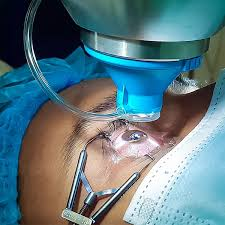
Eye surgery refers to any surgical procedure performed on the eye or surrounding structures to improve vision, correct eye disorders, or prevent vision loss. These procedures are performed by specialised eye surgeons using advanced technology and microscopic instruments.
Eye surgeries can be broadly categorised as follows:
- Vision correction surgeries
- Cataract surgeries
- Glaucoma surgeries
- Retinal surgeries
- Corneal surgeries
- Cosmetic and reconstructive eye surgeries
Common Types of Eye Surgery Treatments:
1. LASIK Eye Surgery:
LASIK (Laser-Assisted In Situ Keratomileusis) is one of the most popular vision correction procedures.
Conditions Treated:
- Nearsightedness (Myopia)
- Farsightedness (Hyperopia)
- Astigmatism
Benefits:
- Quick procedure
- Minimal discomfort
- Fast recovery
- Reduced dependence on glasses and contact lenses
Recovery:
Most patients notice improved vision within 24 hours and can return to normal activities within a few days.
2. Cataract Surgery:
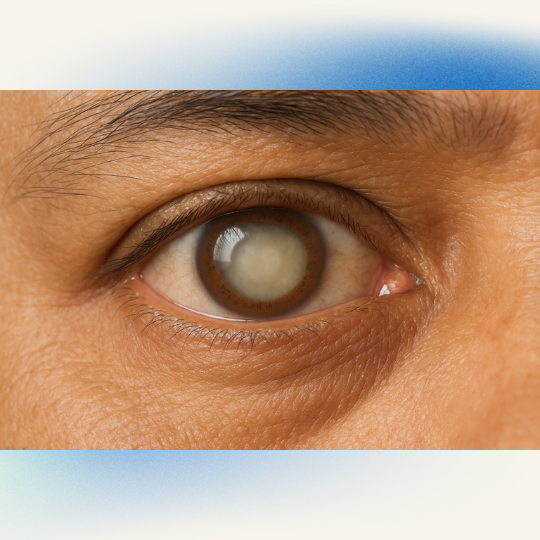
Cataract surgery is performed to remove the cloudy natural lens and replace it with an artificial intraocular lens (IOL).
Symptoms of Cataracts:
- Blurred vision
- Glare sensitivity
- Difficulty driving at night
- Faded colors
Types of Cataract Surgery:
- Phacoemulsification (Laser-assisted or ultrasonic)
- Micro-incision cataract surgery
- Femtosecond laser cataract surgery
Benefits:
- Clear vision restoration
- Improved color perception
- Better night vision
Success Rate:
Cataract surgery is among the safest surgical procedures, with a success rate exceeding 95%.
3. SMILE Eye Surgery:
Small Incision Lenticule Extraction (SMILE) is a minimally invasive laser vision correction procedure.
Advantages:
- Smaller incision
- Less dry eye symptoms
- Faster healing
- Greater corneal stability
Suitable For:
- Moderate to high myopia
- Astigmatism
4. ICL Surgery:
Implantable Collamer Lens (ICL) surgery involves placing a biocompatible lens inside the eye without removing the natural lens.
Ideal Candidates:
- High-power prescriptions
- Thin corneas
- Patients unsuitable for LASIK
Benefits:
- Excellent visual quality
- Reversible procedure
- UV protection
- No corneal tissue removal
5. Glaucoma Surgery:
Glaucoma damages the optic nerve due to increased eye pressure.
Surgical Treatments:
- Trabeculectomy
- Glaucoma drainage devices
- Laser trabeculoplasty
- Minimally Invasive Glaucoma Surgery (MIGS)
Goal:
To lower eye pressure and prevent further vision loss.
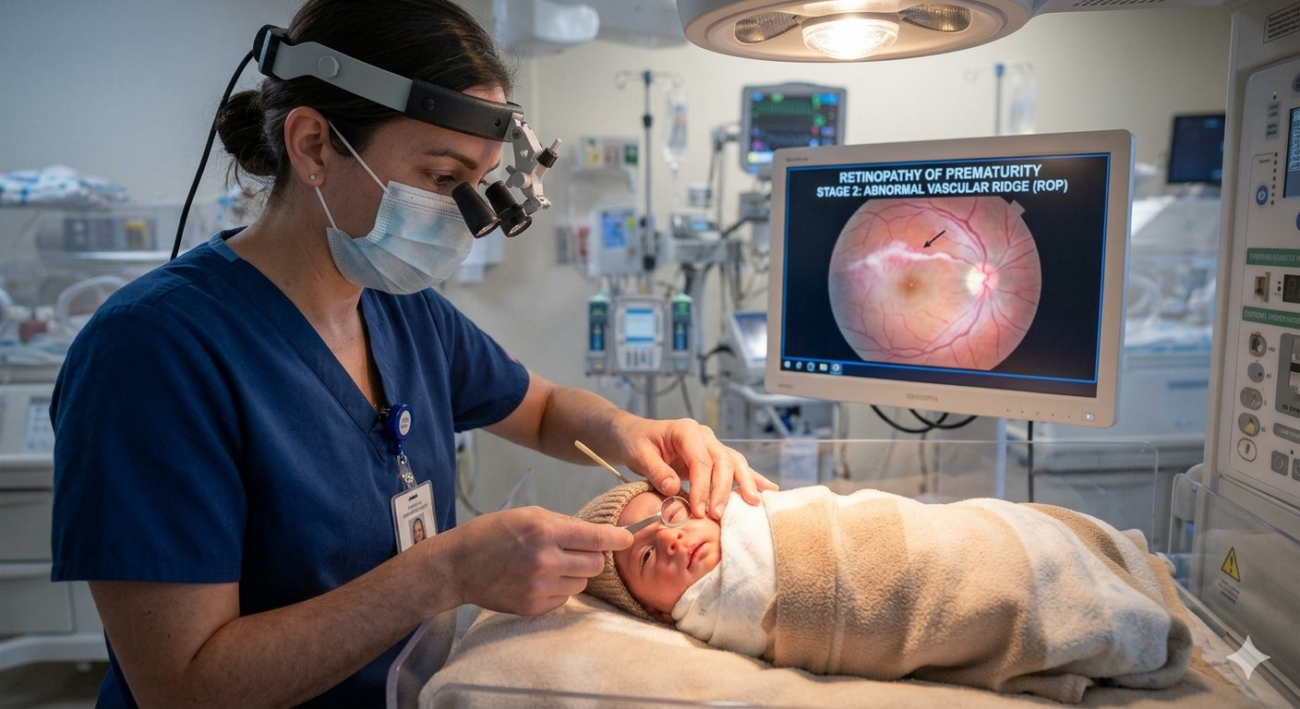
6. Retinal Surgery:
Retinal surgery treats conditions affecting the retina, the light-sensitive tissue at the back of the eye.
Conditions Treated:
- Retinal detachment
- Diabetic retinopathy
- Macular hole
- Vitreous hemorrhage
Common Procedures:
- Vitrectomy
- Retinal laser treatment
- Scleral buckle surgery
Benefits:
- Preservation of vision
- Prevention of blindness
- Improved retinal health
7. Corneal Transplant Surgery:
A corneal transplant replaces damaged or diseased corneal tissue with healthy donor tissue.
Conditions Treated:
- Keratoconus
- Corneal scars
- Corneal dystrophies
- Severe infections
Types:
- Full-thickness transplant (PK)
- Partial-thickness transplant (DALK)
- Endothelial keratoplasty (DSEK/DMEK)
Who Is a Good Candidate for Eye Surgery?
You may be a suitable candidate if you:
- Have stable vision prescription
- Are above 18 years of age
- Have healthy eyes
- Have realistic expectations
- Are free from uncontrolled systemic diseases
A comprehensive eye examination helps determine the most appropriate treatment option.
Benefits of Eye Surgery Treatment:
Improved Vision
Modern surgical techniques can significantly improve visual clarity and quality of life.
Reduced Dependence on Glasses
Many patients achieve freedom from spectacles and contact lenses.
Better Quality of Life
Activities such as driving, reading, sports, and work become easier and more enjoyable.
Long-Term Results
Many eye surgeries offer permanent or long-lasting visual improvements.
Enhanced Confidence
Clear vision often improves self-confidence and overall well-being.
What Happens Before Eye Surgery?
Before surgery, your eye specialist will perform:
- Vision assessment
- Corneal mapping
- Eye pressure measurement
- Retinal examination
- Medical history review
Patients may be advised to:
- Stop wearing contact lenses temporarily
- Avoid eye makeup
- Follow medication instructions
What to Expect During Surgery:
Most eye surgeries are the following:
- Performed under local anesthesia
- Minimally invasive
- Outpatient procedures
- Completed within 15–60 minutes
Patients remain awake but comfortable throughout the procedure.
Recovery After Eye Surgery:
24 Hours
- Mild discomfort
- Watering of eyes
- Light sensitivity
- Blurred vision
First Week
- Vision gradually improves
- Eye drops are used regularly
- Avoid rubbing your eyes
First Month
- Follow-up visits
- Progressive healing
- Stable vision outcomes
Recovery time varies depending on the type of surgery performed.
Risks and Complications
Although modern eye surgery is highly safe, potential risks include the following:
- Infection
- Dry eyes
- Glare and halos
- Inflammation
- Temporary vision fluctuations
- Rare surgical complications
Choosing an experienced eye surgeon significantly reduces these risks.
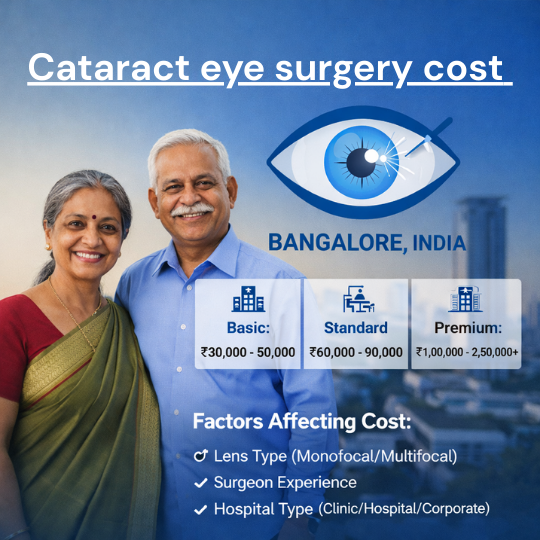
Eye Surgery Cost in India:
The cost depends on several factors:
| Surgery Type | Approximate Cost Range |
|---|---|
| LASIK Surgery | ₹25,000 – ₹120,000 |
| SMILE Surgery | ₹80,000 – ₹150,000 |
| ICL Surgery | ₹150,000 – ₹350,000 |
| Cataract Surgery | ₹25,000 – ₹150,000 |
| Glaucoma Surgery | ₹40,000 – ₹200,000 |
| Retinal Surgery | ₹50,000 – ₹300,000+ |
| Corneal Transplant | ₹80,000 – ₹250,000 |
Costs vary based on technology, surgeon expertise, hospital infrastructure, and lens selection.
How to Choose the Right Eye Surgeon:
When selecting an eye surgeon, consider:
- Qualifications and experience
- Number of surgeries performed
- Technology available
- Patient reviews
- Success rates
- Post-operative care facilities
An experienced ophthalmologist can help determine the safest and most effective treatment for your condition.
Frequently Asked Questions:
Is eye surgery painful?
Most eye surgeries are performed under local anaesthesia, making the procedure virtually painless.
How long does eye surgery take?
Most procedures take between 15 and 60 minutes.
Can eye surgery permanently improve vision?
Many procedures provide long-lasting or permanent vision correction, although age-related changes can still occur later in life.
How soon can I return to work?
Many patients resume normal activities within a few days, depending on the surgery performed.
Is eye surgery safe?
Yes. Modern eye surgery has a very high safety profile when performed by qualified ophthalmologists.
Conclusion:
Eye surgery treatment has revolutionised vision care by offering safe, effective, and life-changing solutions for a wide range of eye conditions. From LASIK and SMILE to cataract, glaucoma, retinal, and corneal surgeries, modern technology enables patients to achieve clearer vision and better eye health. Consulting an experienced eye specialist is the first step toward choosing the right treatment and protecting your vision for the future.