

When considering vision correction, the question at the top of everyone’s mind is almost always, “How much is this going to cost me? One of the most common concerns is about LASIK eye surgery pricing and what factors influence the total expense.
While the short answer is that LASIK usually ranges anywhere from ₹25,000 to ₹1,500,000+ ($1,500 to $3,500+) per eye, the reality is that LASIK pricing isn’t a one-size-fits-all sticker price.
If you’ve seen advertisements promising LASIK for an impossibly low price, or if you’re trying to figure out why two different clinics gave you wildly different quotes, here is a transparent look at what actually drives the cost of LASIK eye surgery.
1. The Technology Used (The Biggest Cost Driver)
LASIK has evolved significantly over the last few decades. The specific surgical method and technology your surgeon uses will have the most significant impact on your final quote.
- Standard / Conventional LASIK: This older method uses a manual microkeratome (a tiny mechanical blade) to create the corneal flap before a laser reshapes the eye. Because it relies on older, mechanical technology, it is usually the least expensive option.
- Custom / Wavefront LASIK: This approach uses advanced 3D mapping technology to measure the unique imperfections of your specific eye. The laser is then programmed to map your vision precisely, which yields better night vision outcomes but adds to the cost.
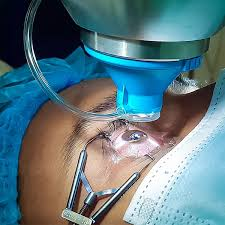
- Bladeless / All-Laser LASIK (Femto-LASIK): Instead of a mechanical blade, a highly precise femtosecond laser is used to create the corneal flap. This reduces complications and increases accuracy, making it a premium and more costly procedure.
- SMILE and Advanced Refractive Procedures: Technologies like SMILE (Small Incision Lenticule Extraction) or Contoura Vision represent the cutting edge of laser vision correction. They require specialised, high-end laser systems, placing them at the top tier of pricing.
2. Your Prescription Density
Not all eyes require the same amount of laser reshaping. If you have a particularly high prescription (severe nearsightedness, farsightedness, or high astigmatism), the procedure requires more detailed customisation and surgical expertise. Some clinics operate on a tiered pricing model where more complex prescriptions carry a higher fee due to the precision and time required.
3. Surgeon Experience and Expertise
Like any specialised medical field, you are paying for the surgeon’s skill, track record, and reputation.
- High-Volume Clinics: Some corporate vision centres offer lower baseline prices because they perform a massive volume of surgeries every day.
- Specialised Surgeons: A dedicated cornea and refractive specialist with decades of experience, who personally handles your care from consultation to follow-up, will generally charge a premium. Investing in an expert surgeon drastically minimises the risk of complications.
4. What is Actually Included in the Quote?
When comparing prices between clinics, it is crucial to ask for a line-item breakdown. A lower price might look attractive initially, but it could end up costing more if it doesn’t cover essential care.
A comprehensive LASIK package should ideally include:
| Service | Included in Premium Packages? | Note |
| Pre-Operative Consultation | Usually yes. | Includes advanced corneal mapping and diagnostics. |
| The Procedure & Facility Fees | Yes | Covers the use of the laser suite and disposable surgical instruments. |
| Post-Operative Care | Yes (Typically 6–12 months) | Crucial follow-up appointments to monitor healing. |
| Enhancement / Touch-Up Policy | Variable | Covers the cost if a minor adjustment is needed within the first year. |
| Medications & Post-Op Drops | Variable | Some clinics include your initial round of antibiotic and steroid drops. |
Watch out for “bait-and-switch”. Pricing: If an ad promises LASIK for an extraordinarily low price, read the fine print. That price often only applies to individuals with incredibly mild prescriptions who choose the oldest, blade-based technology, and it frequently excludes post-operative follow-ups.
Is LASIK an Investment Worth Making?
Because LASIK is categorised as an elective cosmetic procedure, insurance rarely covers it. However, many patients find it helpful to look at the cost as an investment rather than an expense.
When you calculate the recurring annual cost of high-quality glasses, prescription sunglasses, contact lenses, solutions, and eye exams over a 10-year period, LASIK often pays for itself. Beyond the financials, the lifestyle freedom—waking up with clear vision, playing sports without hassles, and eliminating daily contact lens irritation—is where patients find the true value.
If you are considering the procedure, the best first step is to schedule a comprehensive evaluation. This diagnostic check will determine if your cornea thickness and eye health make you a good candidate and give you an exact, transparent quote for the technology best suited for your eyes.