
Introduction:
Lazy eye, medically known as amblyopia, is a common vision condition where one eye does not develop normal vision because the brain favors the stronger eye. It usually begins in childhood, but with proper treatment and guided vision therapy, improvement is possible in many cases.
Many patients and parents ask:
“Can eye exercises cure lazy eye?
The answer is eye exercises alone may not completely cure lazy eye, but when combined with patching, glasses, or doctor-guided vision therapy, they can significantly improve eye coordination, focus, and brain-eye communication.
What Is Lazy Eye?
Amblyopia occurs when the brain and one eye do not work together properly. Over time, the brain starts depending more on the stronger eye and ignores visual signals from the weaker eye.
Common causes include:
- Crossed eyes (strabismus)
- Different power in each eye
- High refractive error
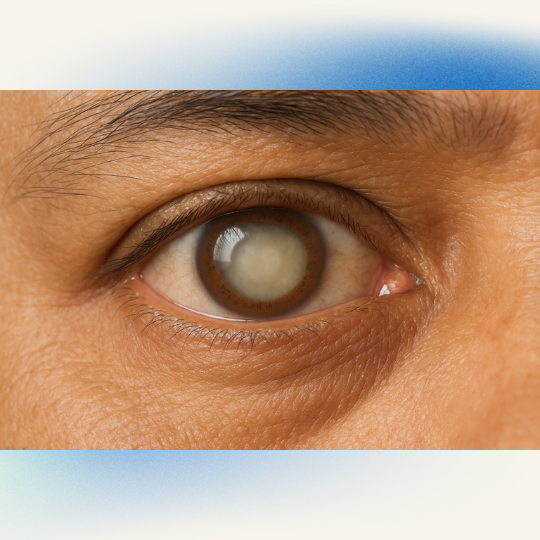
- Congenital cataract
- Droopy eyelid
Early treatment gives the best results, but studies show older children and even some adults may still benefit from therapy.
Signs of Lazy Eye
Symptoms may include:
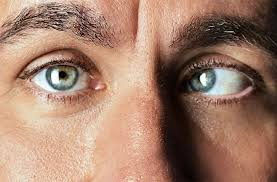
- One eye drifting inward or outward
- Poor depth perception
- Squinting
- Head tilting
- Difficulty focusing
- Reduced vision in one eye
7 Effective Eye Exercises for Lazy Eye
1. Pencil Push-Up Exercise
This is one of the most commonly recommended exercises.
How to do it:
- Hold a pencil at arm’s length.
- Focus on the tip.
- Slowly bring it toward your nose.
- Stop when it becomes doubled or blurry.
- Move it back slowly.
Repeat 10 times, 2–3 sessions daily.
This helps improve convergence and eye coordination.
2. Eye Patching + Reading Activity
Eye patching is considered a standard treatment.
How to do it:
- Cover the stronger eye with an eye patch.
- Read books, color pictures, or solve puzzles using the weaker eye.
Duration: Follow your eye specialist’s recommendation.
Research shows patching can significantly improve vision in amblyopia.
3. Brock String Exercise
This exercise improves binocular vision.
How to do it:
- Use a string with colored beads.
- Focus on one bead at a time.
- Move your focus from near beads to far beads.
Benefits:
- Better depth perception
- Improved eye alignment
- Stronger eye teaming
4. Dot Card Exercise
This helps train eye convergence.
Steps:
- Hold a card with dots at nose level.
- Focus on each dot from nearest to farthest.
Repeat for 5–10 minutes daily.
5. Coloring Within Lines
Especially useful for children.
Activities include:
- Coloring books
- Tracing shapes
- Maze solving
These tasks force the weaker eye to focus on detail.
6. Computer-Based Vision Therapy
Modern digital therapy programs and interactive games may help train binocular vision in some patients.
7. Ball Tracking Exercise
How to do it:
- Toss a soft ball gently.
- Follow it using only the weaker eye (under supervision).
Benefits:
- Improves tracking
- Enhances reaction time
- Strengthens eye movement control
Helpful Visual Exercises


Can Adults Improve Lazy Eye?
Yes—although treatment works best in childhood, newer research suggests adults may still improve visual acuity and binocular vision through structured vision therapy. Results vary depending on severity and consistency.
What Treatments Are Usually Combined With Exercises?
Doctors may recommend:
- Prescription glasses
- Eye patching
- Atropine eye drops
- Vision therapy
- Surgery (for strabismus or cataract-related causes)
When to See an Eye Specialist:
Seek an eye examination if your child has:
- One wandering eye
- Difficulty reading
- Poor school performance
- Head tilting
- Frequent squinting
Early diagnosis can prevent permanent vision loss.
Frequently Asked Questions:
Can eye exercises cure lazy eye permanently?
Exercises help strengthen eye-brain coordination, but they usually work best when combined with patching, glasses, or other treatments.
At what age should lazy eye be treated?
Treatment is most effective in early childhood, but older children and adults may still benefit.
How long does lazy eye treatment take?
Treatment may take several months to over a year depending on age, severity, and consistency.
Is surgery needed for lazy eye?
Not always. Surgery may be needed if misalignment, cataracts, or eyelid issues are causing the amblyopia.