
Introduction to SMILE Eye Surgery
The world of vision correction has advanced dramatically in the past few decades. One of the latest innovations in laser eye surgery is SMILE (Small Incision Lenticule Extraction). Unlike LASIK, which involves creating a flap, SMILE uses a minimally invasive approach that results in quicker healing, fewer complications, and excellent long-term outcomes.
But one of the first questions patients ask is: “What is the Smile eye surgery price, and is it worth the investment?” In this guide, we’ll break down the costs of SMILE surgery in different regions, explore the factors that influence pricing, and help you decide if this procedure is the right choice for you.
What is SMILE Eye Surgery?
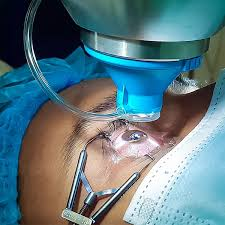
SMILE is a refractive eye surgery that corrects common vision problems such as myopia (nearsightedness) and astigmatism. The procedure involves creating a tiny lens-shaped piece of corneal tissue (called a lenticule) with a femtosecond laser, which is then removed through a small incision.
This advanced method eliminates the need for a corneal flap, making it less invasive than LASIK. Patients often report faster recovery times, fewer dry eye issues, and greater comfort compared to traditional laser vision correction.
How SMILE Differs from LASIK and PRK
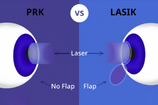
- LASIK requires cutting a flap in the cornea, which can lead to complications in some patients.
- PRK removes the corneal surface layer, leading to longer recovery times.
- SMILE uses only a small incision, reducing risks and healing faster.
These advantages contribute to its rising popularity, though they also impact the Smile eye surgery price.

Smile Eye Surgery Price Overview
Average Cost of SMILE Eye Surgery Globally
On average, SMILE surgery costs range between $2,000 – $3,500 per eye. The final price varies depending on the country, surgeon’s expertise, and clinic facilities.
Smile Eye Surgery Price in the USA
In the United States, the typical cost ranges from $2,500 to $3,500 per eye. Urban clinics in major cities may charge higher rates due to advanced technology and higher operating expenses.
Smile Eye Surgery Price in the UK
In the United Kingdom, patients can expect to pay between £1,800 and £3,000 per eye. London-based clinics tend to be at the higher end of this range.
Smile Eye Surgery Price in India
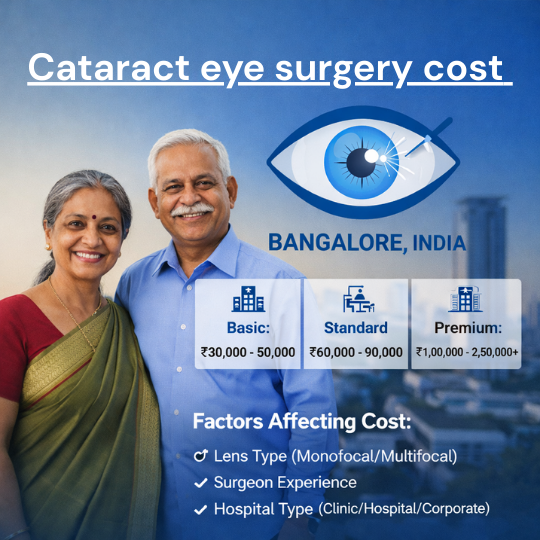
India is becoming a hotspot for medical tourism, offering SMILE surgery at more affordable rates. Prices typically range from ₹60,000 to ₹1,00,000 per eye ($700 – $1,200 USD), making it a cost-effective option without compromising on quality.
Smile Eye Surgery Price in Other Popular Destinations
- Canada: CAD $2,200 – CAD $3,000 per eye
- Australia: AUD $2,500 – AUD $3,500 per eye
- Singapore: SGD $3,000 – SGD $4,500 per eye
These variations reflect differences in healthcare costs and local economies.
Factors That Influence Smile Eye Surgery Price
Technology and Equipment Used
One of the biggest drivers of SMILE surgery cost is the femtosecond laser technology. This highly precise laser system requires significant investment from clinics, and maintenance costs are also high. Clinics with latest-generation equipment may charge more, but they often provide better accuracy and outcomes.
Experience and Reputation of the Surgeon
Just like any specialized medical procedure, the skill and expertise of the surgeon play a crucial role. A surgeon with decades of experience and thousands of successful surgeries typically charges more than a less experienced one. However, the higher price often reflects a greater level of safety and precision.
Location and Clinic Infrastructure
The cost of living and healthcare expenses in a region significantly affect the overall Smile eye surgery price.
- Clinics in major cities such as New York, London, or Sydney may charge premium rates.
- Clinics in smaller towns or medical tourism hubs like India, Thailand, or Turkey often provide the same procedure at a fraction of the cost.
Additional Pre- and Post-Operative Care Costs
Many clinics bundle their pricing to include pre-operative tests, consultation fees, and follow-up visits. Others may charge these separately. Patients should clarify whether the quoted price covers:
- Pre-surgery eye exams
- Medications and eye drops
- Follow-up check-ups
- Enhancement procedures (if needed)
Insurance and Financing Options
Is SMILE Surgery Covered by Insurance?
In most cases, insurance does not cover SMILE surgery because it is considered an elective procedure rather than a medically necessary one. Vision insurance plans may offer discounts but rarely cover the full cost.
Flexible Payment Plans and Financing Choices
To make the procedure more affordable, many clinics offer:
- Monthly installment plans
- 0% interest financing over 12–24 months
- Partnerships with medical financing companies
These options help patients spread out the cost without putting a major strain on their finances.
Cost vs. Value: Is SMILE Eye Surgery Worth It?
Long-Term Savings Compared to Glasses and Contact Lenses
While the upfront cost may seem high, SMILE can actually save money in the long run. Consider:
- The average person spends $200–$500 per year on glasses or contacts.
- Over 20 years, that’s $4,000–$10,000 — often more than the cost of SMILE.
This makes the surgery not just a health investment, but also a financial one.
Quality of Life Improvements
Beyond savings, patients enjoy freedom from glasses and contacts, clearer vision, and increased confidence. Many report that the ability to wake up and see clearly without corrective lenses is priceless.
Alternatives to SMILE Eye Surgery
LASIK Surgery Cost Comparison
LASIK generally costs $2,000 – $3,000 per eye, slightly cheaper than SMILE. However, it involves creating a corneal flap, which can cause longer recovery times and complications in rare cases.
PRK Surgery Cost Comparison
PRK is another alternative, costing $1,500 – $2,500 per eye. While more affordable, it has a longer healing process compared to SMILE.
How to Choose the Right Clinic for SMILE Surgery
Key Questions to Ask Your Surgeon
Before committing to surgery, ask:
- How many SMILE procedures have you performed?
- What is included in the quoted price?
- What technology do you use?
- What are the potential risks for my specific case?
Reviews and Patient Testimonials
Reading real patient experiences can provide valuable insights into the quality of care, results, and overall satisfaction. Always research multiple clinics before making your decision.
Tips for Saving Money on SMILE Surgery
Comparing Multiple Clinics and Surgeons
Don’t settle for the first quote you receive. Comparing clinics can help you find a reputable surgeon at a reasonable cost.
Seasonal Discounts and Medical Tourism
- Many clinics offer seasonal promotions or discounts for new patients.
- Medical tourism in countries like India, Turkey, and Thailand allows patients to receive world-class care at a fraction of the cost, even when factoring in travel expenses.
Conclusion
The Smile eye surgery price varies depending on region, surgeon, and clinic facilities. While the upfront cost may seem high, SMILE offers a safe, effective, and long-term solution for vision correction. With faster recovery, fewer complications, and the freedom from glasses or contacts, many patients find it to be well worth the investment.
If you’re considering SMILE surgery, compare prices across multiple clinics, ask the right questions, and explore financing options. Ultimately, the decision is not just about cost but about improving your quality of life for years to come.
Frequently Asked Questions (FAQs)
What is the typical Smile Eye Surgery price range?
The cost usually falls between $2,000 and $3,500 per eye, depending on location and surgeon expertise.
Does insurance cover Smile Eye Surgery?
Generally, no. Since it’s considered elective, insurance rarely covers it. Some plans may offer partial discounts.
Why is SMILE more expensive than LASIK in some places?
SMILE requires specialized laser technology that is more expensive to operate and maintain, leading to slightly higher costs.
How long is the recovery time for SMILE?
Most patients return to normal activities within 2–3 days, with full vision stabilization over several weeks.
Are there any hidden costs after SMILE surgery?
Sometimes. Additional expenses may include medications, follow-up visits, or enhancement procedures if vision doesn’t fully stabilize.
Is SMILE a permanent solution for vision correction?
Yes, in most cases. While natural age-related vision changes may occur, SMILE generally provides long-lasting correction for myopia and astigmatism.