

Introduction to Smile Eye Surgery
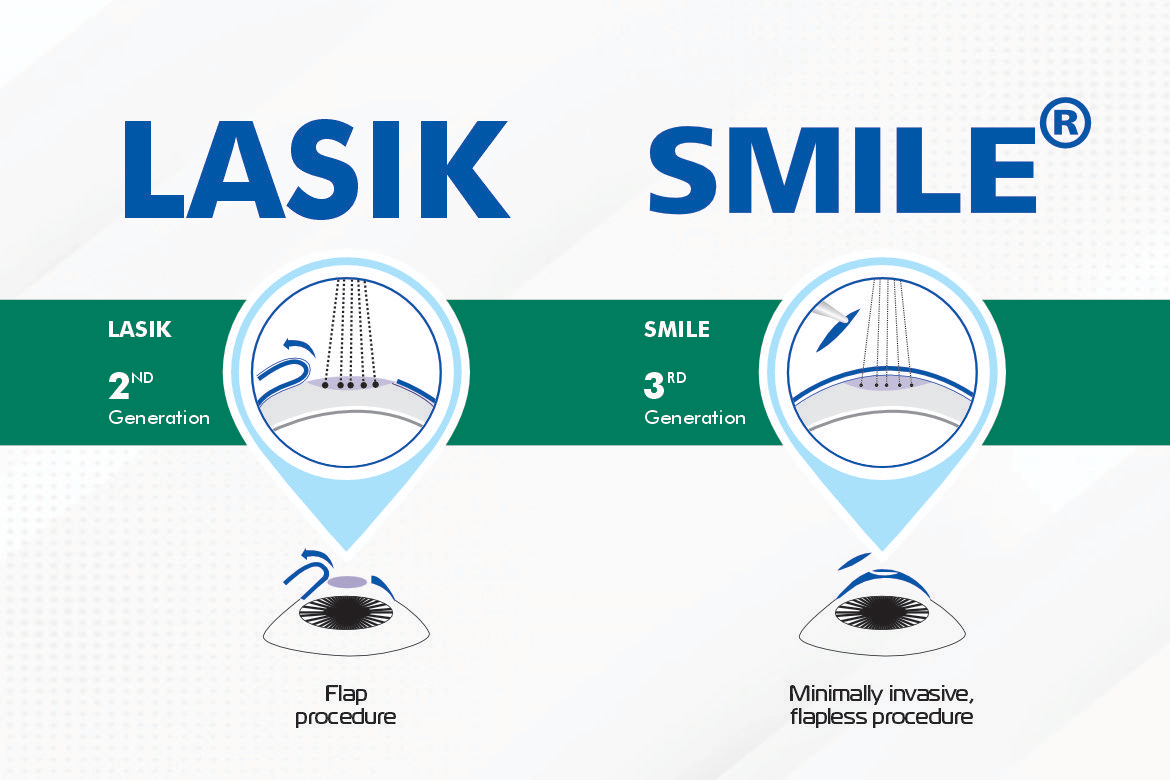
In recent years, Smile eye surgery has become one of the most talked-about procedures in vision correction. Short for Small Incision Lenticule Extraction, this advanced laser surgery offers a minimally invasive way to correct nearsightedness and astigmatism. Unlike LASIK, which involves creating a corneal flap, Smile only requires a small incision, making it safer for some patients and reducing recovery time.
Naturally, one of the most common questions people ask is: “How much does Smile eye surgery cost?” The answer isn’t as straightforward as a single number because pricing depends on multiple factors, including where you live, the surgeon you choose, and additional medical services provided.
In this guide, we’ll break down everything you need to know about Smile eye surgery cost, from regional price differences to insurance coverage, and even tips on how to make the procedure more affordable.
What is Smile Eye Surgery?
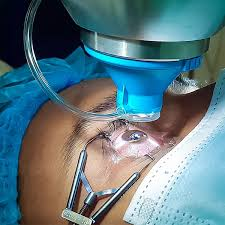
Smile eye surgery is a third-generation laser vision correction technique developed after PRK and LASIK. The procedure uses a femtosecond laser to create a thin disc-shaped piece of tissue (lenticule) inside the cornea, which is then removed through a small incision.
How Smile Differs from LASIK and PRK
- LASIK: Requires a larger flap, which can lead to more complications in people with thin corneas.
- PRK: Involves surface ablation, leading to longer recovery times.
- Smile: Uses no flap, causes less dry eye, and allows for faster healing.
Who is a Good Candidate for Smile Eye Surgery?
- Individuals with moderate to high myopia.
- Patients suffering from dry eyes, who may not qualify for LASIK.
- Active individuals and athletes who prefer a stronger corneal structure post-surgery.

Factors Affecting Smile Eye Surgery Cost
Several variables influence the Smile eye surgery cost. Understanding these can help you plan your budget better:
Geographic Location and Country
Costs differ dramatically depending on where the surgery is performed. For example, the U.S. tends to have higher medical expenses than countries like India or Thailand.
Surgeon’s Experience and Reputation
Highly skilled surgeons with years of experience usually charge more, but the expertise often reduces the risk of complications.
Technology and Equipment Used
Clinics using the latest femtosecond lasers and offering personalized treatment plans may charge a premium.
Pre-Operative and Post-Operative Care
Some clinics include consultations, tests, and follow-up visits in the package, while others bill these separately.
Average Smile Eye Surgery Cost Around the World
While exact numbers vary, here’s a general look at Smile eye surgery costs worldwide:
- United States: $2,000 – $3,500 per eye
- United Kingdom: £1,500 – £3,000 per eye
- Europe: €1,200 – €2,500 per eye
- India: ₹60,000 – ₹1,20,000 (about $800 – $1,500) per eye
- Singapore & South Korea: $1,500 – $2,800 per eye
- Middle East: $1,800 – $3,000 per eye
These figures represent averages, and premium clinics may charge significantly more.
Smile Eye Surgery Cost Breakdown
When budgeting for Smile eye surgery cost, it’s important to understand the breakdown of expenses.
Initial Consultation Fees
Most clinics charge a consultation fee ranging from $50 to $300. Some clinics include this in the surgery package, while others treat it as a separate cost. This step usually includes vision tests, corneal scans, and eligibility checks.
Surgical Procedure Costs
The largest portion of the expense is the surgery itself. Depending on the country and clinic, it ranges from $1,500 to $3,500 per eye. This cost typically includes the surgeon’s fee, use of advanced laser technology, and facility charges.
Medication and Follow-Up Appointments
Post-surgery, patients require eye drops to prevent infection and promote healing, costing around $50 to $150. Additionally, follow-up appointments may be billed separately if not included in the package.
Smile Eye Surgery vs. LASIK Cost
While Smile is a relatively newer technology, its pricing is often slightly higher than LASIK.
Similarities and Differences in Pricing
- LASIK: $1,500 – $2,500 per eye
- Smile: $2,000 – $3,500 per eye
The difference exists because Smile requires specialized femtosecond lasers and fewer clinics currently offer the procedure.
Which is More Cost-Effective Long-Term?
Smile may have a higher upfront cost, but it could save money in the long run by:
- Reducing the chance of retreatments.
- Lowering the risk of dry eye treatments.
- Providing more stable long-term vision.
Is Smile Eye Surgery Covered by Insurance?
In most cases, Smile eye surgery is considered an elective procedure and not covered by insurance. However, there are exceptions.
Vision Insurance Coverage Policies
Standard insurance plans rarely cover Smile, but some premium plans may cover a portion of the expenses.
Employer-Sponsored Plans and Discounts
Certain employers offer corporate vision care packages, which may include partial coverage or negotiated discounts with partner clinics.
Financing and Payment Plans
Many clinics provide flexible payment options, such as:
- 0% interest financing for 12–24 months.
- Credit card installment plans.
- Medical credit programs like CareCredit in the U.S.
Benefits of Smile Eye Surgery Beyond Cost
Though the cost may seem high, the long-term benefits of Smile eye surgery often outweigh the expense.
Safety and Effectiveness
Smile is FDA-approved and has an excellent track record of safety and accuracy in correcting vision.
Faster Recovery and Less Dry Eye Syndrome
Compared to LASIK, Smile patients often experience less discomfort and dryness because the corneal nerves are less disrupted.
Long-Term Vision Stability
Smile maintains the integrity of the cornea, reducing the risk of complications and providing stable vision for years.
Potential Risks and Additional Expenses
While Smile is generally safe, patients should be aware of potential extra costs.
Enhancements or Retreatment Costs
Some patients may require additional correction within a few years. Retreatments can cost $500 – $1,500 per eye.
Rare Complications and Hidden Fees
Although uncommon, complications such as infections or irregular healing could lead to extra follow-ups, medications, or corrective procedures.
How to Choose the Right Clinic for Smile Eye Surgery
Selecting the right clinic plays a huge role in both cost and safety.
Researching Surgeon Credentials
Look for board-certified ophthalmologists with extensive experience in laser vision correction.
Reading Patient Reviews and Testimonials
Online reviews and testimonials provide insight into both surgical outcomes and patient experiences.
Questions to Ask Before Surgery
- What’s included in the quoted cost?
- How many Smile procedures have you performed?
- What’s your retreatment policy?
Tips to Save Money on Smile Eye Surgery
Even though the Smile eye surgery cost can feel high, there are ways to reduce expenses.
Seasonal Discounts and Promotions
Clinics often run promotions during holidays or awareness campaigns.
Medical Tourism for Affordable Surgery
Countries like India, Thailand, and Turkey offer high-quality surgeries at a fraction of U.S. prices.
Flexible Financing Options
Breaking down payments into smaller monthly installments can make the procedure more manageable.
Conclusion: Is Smile Eye Surgery Worth the Cost?
When weighing the Smile eye surgery cost, it’s important to look beyond the price tag. While the procedure is more expensive than LASIK, its benefits—faster recovery, reduced dry eye symptoms, and long-term stability—make it a worthwhile investment for many patients.
For those considering the procedure, comparing clinics, asking the right questions, and exploring financing or international options can make Smile surgery more affordable without compromising safety.
If clear vision and freedom from glasses or contacts are your goals, Smile eye surgery could be one of the best decisions you’ll ever make.
FAQs About Smile Eye Surgery Cost
Q1: Is Smile eye surgery more expensive than LASIK?
Yes, Smile generally costs $500 – $1,000 more per eye than LASIK, due to the advanced technology used.
Q2: Does insurance cover Smile surgery?
In most cases, no. However, HSAs (Health Savings Accounts) and FSAs (Flexible Spending Accounts) can be used to pay for it.
Q3: Are there hidden costs after Smile eye surgery?
Some clinics charge separately for follow-ups, medications, or enhancements. Always confirm the full package in advance.
Q4: How long do the results of Smile last?
For most patients, Smile provides permanent vision correction, though natural aging (like presbyopia) may still require reading glasses later.
Q5: Is traveling abroad for Smile surgery safe?
Yes, if you choose an accredited international clinic with experienced surgeons. Just be sure to factor in travel costs.
Q6: Can I get financing for Smile surgery?
Absolutely. Many clinics offer monthly payment plans to make the procedure more affordable.