
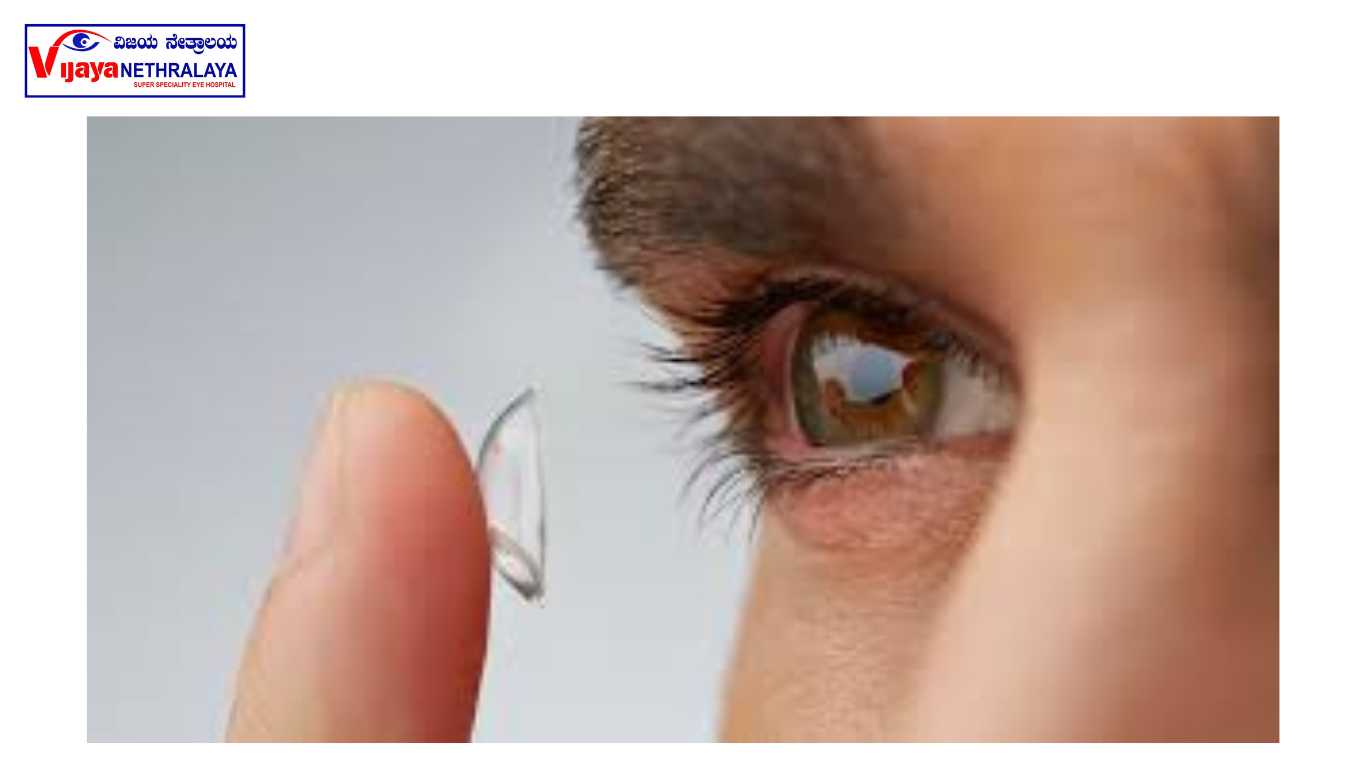
What is orthokeratology (ortho-K)?
A Non-Surgical Vision Correction:
Imagine waking up every morning with clear vision—no glasses, no daytime contacts, and no surgery. That’s exactly what orthokeratology (Ortho-K) offers. It’s a safe, reversible treatment using custom-fitted gas permeable lenses that gently reshape the cornea overnight. You pop them in before bed and remove them in the morning, enjoying crystal-clear vision throughout the day.

Brief History and Evolution of Ortho-K:
Ortho-K might sound futuristic, but it’s been around since the 1960s. Fast forward to now—with modern mapping technology and breathable materials—it’s a game changer for people who want to ditch glasses and contacts.
How Does Ortho-K Work?
Understanding the Science Behind It
The cornea—the clear front part of your eye—helps focus light onto your retina. If your cornea is too steep or flat, vision gets blurry. Ortho-K lenses temporarily reshape your cornea while you sleep, correcting these irregularities.
Role of Gas Permeable Contact Lenses
These aren’t your average contacts. Ortho-K lenses are specially designed, rigid, and highly oxygen-permeable. They apply gentle pressure to flatten the center of the cornea, correcting refractive errors like myopia, astigmatism, and hyperopia.
Temporary Reshaping of the Cornea
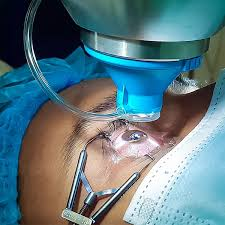
Unlike LASIK, Ortho-K doesn’t involve any cutting. The effects are temporary, lasting a day or two. Stop wearing the lenses, and your cornea returns to its original shape—no harm done.
Who is a Good Candidate for Ortho-K?
Age and Prescription Range
Generally, people with mild to moderate myopia (up to -6.00 D) are good candidates. It’s FDA-approved for both children and adults.
Children vs Adults
Children benefit the most, especially those with progressive myopia. Studies show Ortho-K can slow down myopia progression, making it a smart investment for their future eye health.
Active Lifestyles and Ortho-K
Swimmers, athletes, and those working in dusty or dry environments love Ortho-K—no more worrying about fogged-up glasses or losing a contact lens mid-game.
Benefits of Orthokeratology
Daytime Freedom from Glasses
The most obvious perk? You’re glasses-free all day long. Whether you’re running errands, doing yoga, or just lounging around, you won’t need to wear correction.
Myopia Control in Kids
One of the most compelling benefits is myopia management. Kids wearing Ortho-K lenses experience significantly less progression of nearsightedness over time.
Non-Invasive and Reversible
No surgery. No lasers. Just a gentle overnight lens and the flexibility to stop whenever you want.
Risks and Side Effects:
Common Side Effects
Mild discomfort, glare, or halos around lights can occur during the adjustment phase.
Rare Complications
Infections are rare but possible, especially with poor hygiene. That’s why proper lens cleaning is crucial.
How to Minimize Risks
Always follow your eye care provider’s instructions. Clean your lenses, don’t overwear them, and keep your follow-up appointments.
Ortho-K vs LASIK vs Regular Contacts
Comparing Effectiveness
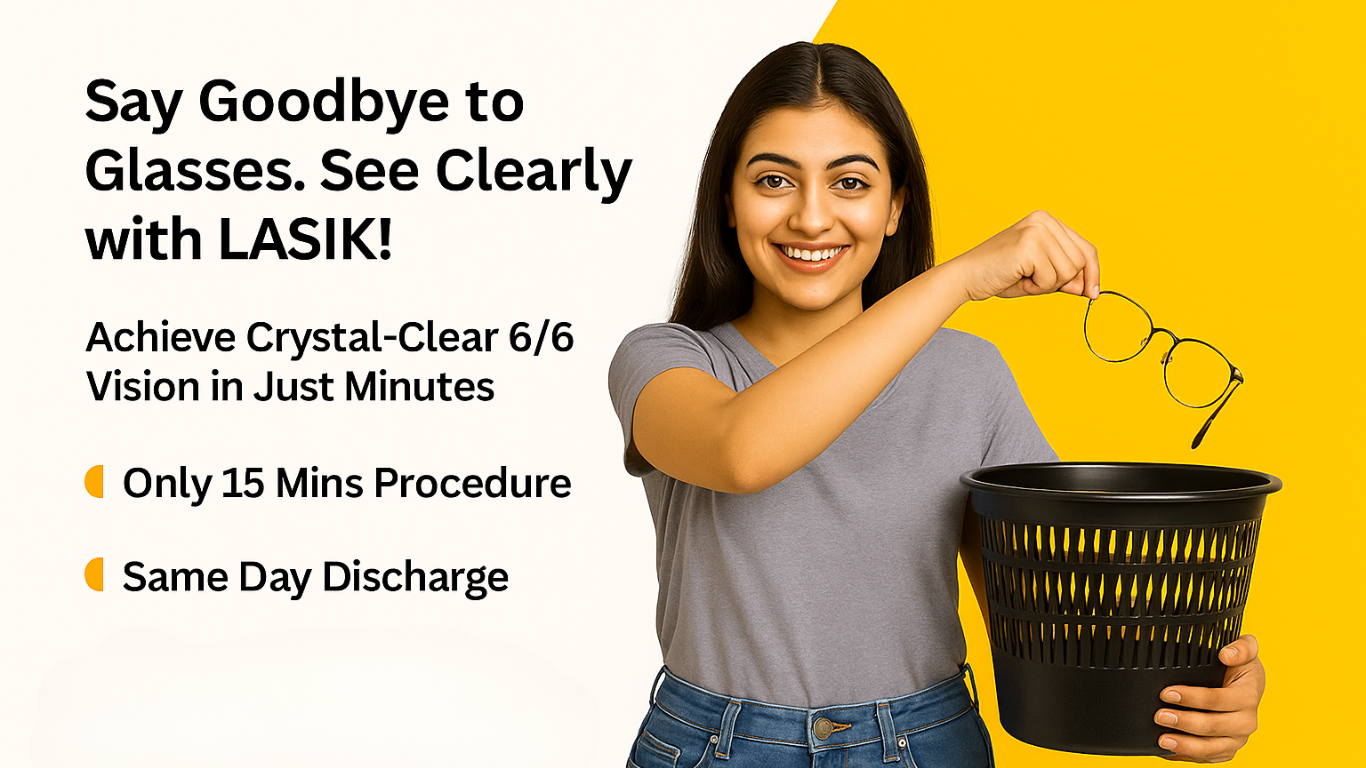
Ortho-K and LASIK offer similar visual outcomes, but LASIK is permanent and comes with surgical risks. Regular contacts are less hassle-free but don’t slow down myopia.
Cost Differences
Ortho-K is pricier upfront than daily contacts but cheaper than LASIK. Think of it as a middle ground that’s safer for young eyes.
Long-Term Impact
LASIK permanently alters the cornea. Ortho-K? No cutting, no burning, just reshaping that you can reverse.
The Process of Getting Ortho-K Lenses
Initial Consultation
An eye exam with corneal topography determines if you’re a good candidate.
Fitting the Lenses
Each lens is custom-made. Your optometrist will teach you how to insert, remove, and clean them.
Follow-Up and Adjustments
Several visits may be required in the first few weeks to fine-tune the fit and measure your vision.
What to Expect When You Start Ortho-K
First Week of Use
Expect some blur in the beginning. Your cornea needs time to adapt to the new shape.
Gradual Vision Improvement
Within a few nights, vision improves significantly. Most users achieve 20/20 vision in 1–2 weeks.
Maintenance and Hygiene
Cleanliness is key. Use preservative-free solutions, clean your case regularly, and don’t skip your eye exams.
Is Ortho-K Safe for Children?
Pediatric Myopia and Ortho-K
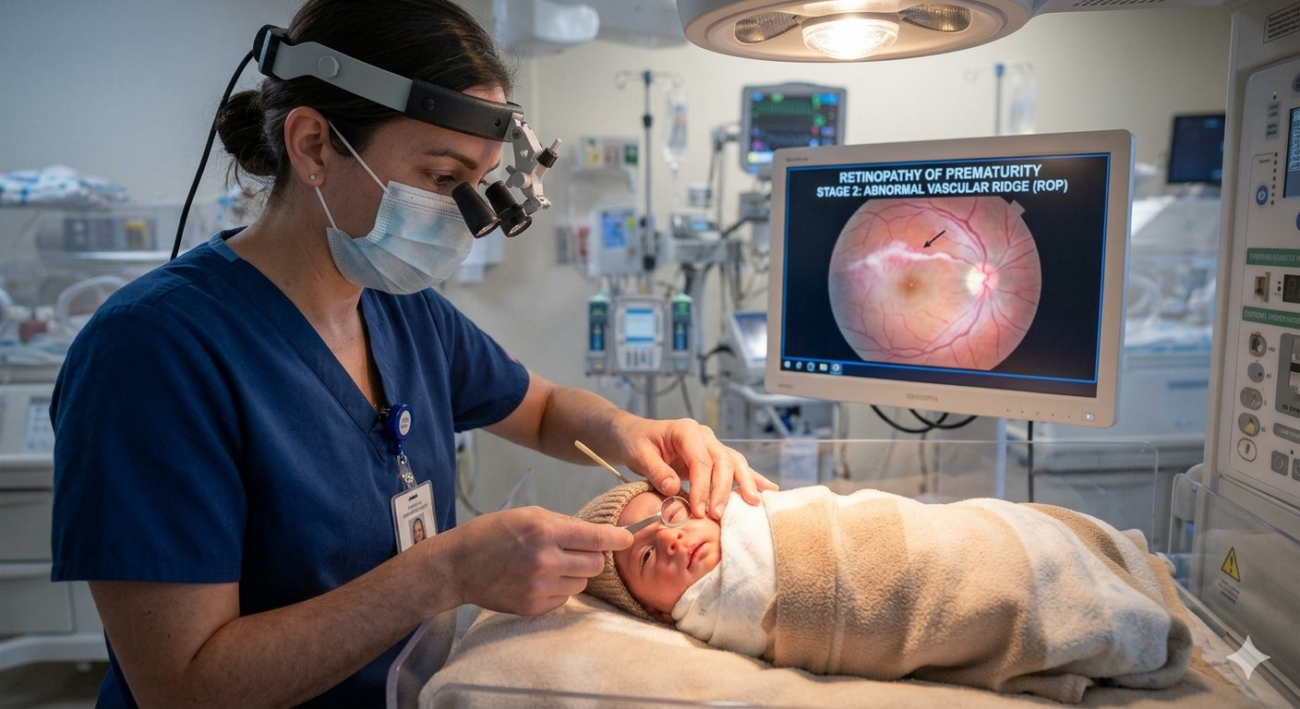
Research proves that Ortho-K significantly slows myopia progression in children, reducing risk of future eye diseases like glaucoma and retinal detachment.
Long-Term Benefits
Protecting a child’s vision today can prevent serious issues tomorrow. Ortho-K offers a non-invasive method to do just that.
Parental Supervision
With proper training and oversight, kids handle Ortho-K lenses well. Many parents report improved confidence and school performance.
Cost of Orthokeratology Treatment
Initial vs Recurring Costs
Initial fitting can cost between ₹30,000–₹60,000 ($400–$800), including lenses and checkups. Replacement lenses are needed every 1–2 years.
Insurance and Financing Options
Most insurance doesn’t cover Ortho-K, but some eye care clinics offer payment plans.
Success Rate and Testimonials
Clinical Studies and Data
Over 90% of users with mild to moderate myopia achieve 20/20 vision or better.
Real-Life Experiences
Users often rave about the convenience, especially for kids and athletes. “It changed my life!” is a common sentiment.
Common Myths About Ortho-K
“It’s Painful”
Not true. Initial discomfort fades quickly—think of it like breaking in new shoes.
“It’s Only for Adults”
False. Ortho-K is ideal for children, especially for myopia control.
“It’s Permanent Like LASIK”
Nope! Stop wearing the lenses and your eyes go back to their natural state.
Orthokeratology and Sports
Perfect for Athletes
No more goggles or sweaty lenses. Ortho-K gives athletes crisp, unobstructed vision all day.
Enhanced Peripheral Vision
Unlike glasses, which limit side vision, Ortho-K allows full peripheral awareness—a huge plus for sports performance.
Future of Ortho-K
Technological Advancements
With AI and 3D imaging, lens fitting is becoming faster and more accurate.
Growing Adoption Globally
More optometrists are recommending Ortho-K, and more parents are choosing it for their kids. The future looks clear—literally!
Conclusion:
Orthokeratology is a powerful, non-invasive solution for clearer vision and better eye health, especially for kids. Whether you’re tired of glasses or want to protect your child’s sight, Ortho-K is worth considering. It’s safe, reversible, and effective—and might just be the vision solution you’ve been waiting for.
FAQs:
1. What happens if I stop wearing Ortho-K lenses?
Your vision gradually returns to its original prescription over a few days.
2. Can Ortho-K lenses be used for astigmatism?
Yes, specially designed lenses can correct low to moderate astigmatism.
3. How long do Ortho-K results last daily?
Typically, vision correction lasts a full day—about 24 to 36 hours.
4. Is Ortho-K FDA approved?
Yes, Ortho-K lenses are FDA approved for overnight wear.
5. How often do Ortho-K lenses need to be replaced?
Most need replacement every 1 to 2 years, depending on wear and care.