
Understanding Red Eyes:
Have you ever looked in the mirror and wondered why your eyes always seem red, tired, or bloodshot? You’re not alone. Red eyes are one of the most common eye complaints worldwide. While occasional redness after a long day at work may not be a cause for concern, persistent redness can signal an underlying issue that deserves attention.
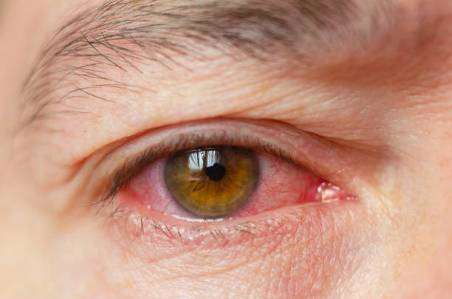
Eye redness occurs when the tiny blood vessels on the surface of the eye become enlarged or inflamed. This can happen due to irritation, dryness, allergies, infections, or more serious eye diseases. The tricky part is that red eyes are not a disease themselves—they are a symptom. Think of redness as your eye’s way of waving a red flag and saying, “Something isn’t right here.”
For many people, red eyes are more than a cosmetic concern. They can cause discomfort, burning, itching, watering, and even blurry vision. Chronic redness may also affect confidence in social and professional settings. Understanding the root cause is the first step toward finding lasting relief and protecting your vision.
Why Eye Redness Happens:
The white part of your eye, known as the sclera, is covered by a thin transparent layer called the conjunctiva. When irritation or inflammation occurs, the blood vessels in this layer expand and become more visible, creating the appearance of redness.
Several triggers can cause this reaction. Dust, smoke, pollution, allergens, prolonged screen use, and infections are among the most common. Sometimes redness develops suddenly, while in other cases it gradually becomes a daily problem.
Temporary vs. Chronic Red Eyes:
Temporary redness usually resolves within a few hours or days after removing the trigger. For example, staying up all night, swimming in chlorinated water, or spending excessive time on a computer can temporarily redden your eyes.
Chronic redness, on the other hand, tends to persist for weeks or months. If your eyes are red almost every day, it’s important to investigate the cause rather than simply using over-the-counter whitening drops. These drops may reduce redness temporarily but often fail to address the underlying problem.
Common Causes of Constantly Red Eyes:
Dry Eye Disease
One of the leading causes of chronic red eyes is dry eye disease. This condition develops when your eyes do not produce enough tears or when tears evaporate too quickly. The tear film protects and lubricates the eye surface. When it becomes unstable, irritation and inflammation follow.
Common symptoms include:
- Redness
- Burning sensation
- Grittiness
- Eye fatigue
- Excessive tearing
- Blurred vision
Many people assume watery eyes mean they don’t have dry eyes. Ironically, excessive watering is often a response to irritation caused by dryness. Studies estimate that millions of adults worldwide suffer from dry eye disease, making it one of the most common reasons for persistent redness.
Comparison of Dry Eye Symptoms:
| Symptom | Mild Dry Eye | Moderate Dry Eye | Severe Dry Eye |
|---|---|---|---|
| Redness | Occasional | Frequent | Constant |
| Burning | Mild | Moderate | Severe |
| Vision Fluctuation | Rare | Sometimes | Common |
| Light Sensitivity | Minimal | Moderate | Significant |
| Daily Impact | Low | Moderate | High |
Eye Allergies
Allergies can turn your eyes into an itchy, watery, red mess. Pollen, pet dander, dust mites, mould, and air pollution are frequent culprits. Allergic reactions release histamine, which causes blood vessels in the eyes to dilate and become more visible.
Unlike infections, allergy-related redness usually affects both eyes equally and is accompanied by intense itching. If your eyes become red during certain seasons or after exposure to pets, allergies may be the underlying issue.
Digital Eye Strain
When staring at screens, people blink significantly less often. Reduced blinking causes tears to evaporate more quickly, leading to dryness and redness. Experts frequently identify prolonged screen exposure as a major contributor to chronic eye irritation and redness.
Imagine your tears as windshield wipers. Every blink spreads fresh moisture across the eye surface. When blinking slows down, the windscreen becomes dry and streaky, resulting in irritation and redness.
Contact Lens Problems
Contact lenses can be convenient, but improper use often leads to red eyes. Wearing lenses longer than recommended limits oxygen flow to the cornea and increases the risk of irritation, inflammation, and infection.
Common mistakes include:
- Sleeping in contact lenses
- Reusing old solution
- Wearing lenses beyond replacement schedules
- Poor lens hygiene
If your eyes become red shortly after inserting your contacts, it’s time to schedule an eye examination.
Lifestyle Factors That Make Eyes Red:
Lack of Sleep
Sleep is when your eyes recover from the stress of the day. During sleep, tears replenish the eye surface, and damaged tissues begin repairing themselves.
When you consistently sleep less than 7–8 hours, your eyes may become dry, irritated, and bloodshot. Many people notice significantly redder eyes after pulling an all-nighter or working late into the night.
Smoking and Air Pollution
Smoke exposure is one of the fastest ways to irritate your eyes. Cigarette smoke contains chemicals that inflame delicate eye tissues and reduce tear quality.
Similarly, living in highly polluted urban environments exposes your eyes to tiny particles that trigger inflammation. This is particularly relevant in many large cities where air quality challenges continue to affect eye health.
Excessive Screen Time
The average adult now spends several hours daily looking at screens. Air-conditioned offices, smartphones, tablets, and laptops create a perfect environment for dry eye symptoms. Combined with reduced blinking, prolonged screen use can turn mild redness into a chronic problem.
Medical Conditions Linked to Red Eyes
Blepharitis
Blepharitis is inflammation of the eyelid margins and is commonly associated with clogged oil glands. These glands help prevent tear evaporation. When they malfunction, tears evaporate faster, resulting in dry, red eyes.
Symptoms often include:
- Crusty eyelids
- Burning eyes
- Foreign body sensation
- Redness
- Excessive tearing
Conjunctivitis:
Conjunctivitis, often called pink eye, occurs when the conjunctiva becomes inflamed. It may be caused by viruses, bacteria, or allergies. Viral and bacterial forms can be contagious and frequently cause redness, discharge, and discomfort.
While mild cases often improve with appropriate treatment, persistent symptoms should always be evaluated by an eye specialist.
Glaucoma and Other Serious Conditions
Although uncommon, persistent red eyes can sometimes indicate serious eye diseases such as glaucoma, keratitis, uveitis, or corneal ulcers. These conditions may threaten vision if not treated promptly.
This is why ongoing redness should never be ignored, especially when accompanied by pain or vision changes.
What You Can Do at Home
Artificial Tears and Eye Lubrication
For many people, preservative-free artificial tears provide significant relief. These lubricating drops help restore moisture and reduce irritation associated with dry eyes. (Mayo Clinic)
Choose high-quality lubricating drops rather than redness-relief drops. Whitening drops may temporarily shrink blood vessels but can sometimes worsen redness over time.
The 20-20-20 Rule
If you spend long hours on screens, follow the 20-20-20 rule:
Every 20 minutes:
- Look 20 feet away
- For at least 20 seconds
This simple habit encourages blinking and helps reduce digital eye strain.
Warm Compresses and Eye Hygiene
Warm compresses can help open blocked eyelid oil glands and improve tear quality. Applying a clean warm cloth over closed eyelids for 5–10 minutes daily often benefits people with blepharitis and meibomian gland dysfunction.
Good eyelid hygiene can also reduce inflammation and improve eye comfort over time.
When Red Eyes Need Urgent Medical Attention
Warning Signs You Should Never Ignore
Seek immediate medical care if your red eyes are accompanied by:
- Eye pain
- Sudden vision loss
- Blurred vision
- Light sensitivity
- Swelling
- Thick discharge
- Eye injury
- Severe headache with eye symptoms
These symptoms may indicate serious conditions requiring urgent treatment. Eye experts recommend prompt evaluation whenever redness persists beyond a week or is associated with visual changes.
How Eye Doctors Diagnose Chronic Red Eyes:
An eye doctor doesn’t simply look at your eyes and guess. A comprehensive examination helps identify the exact cause.
The evaluation may include:
- Visual acuity testing
- Tear film assessment
- Slit-lamp examination
- Eyelid gland evaluation
- Corneal examination
- Eye pressure measurement
These tests help distinguish between dry eye disease, allergies, infections, glaucoma, and other conditions.
For patients experiencing chronic redness, an accurate diagnosis is often the difference between temporary relief and long-term improvement.
Preventing Red Eyes in the Future:
Preventing red eyes often comes down to consistent eye care habits. Healthy eyes thrive in a healthy environment.
Key preventive measures include:
- Staying hydrated
- Getting adequate sleep
- Limiting screen time
- Using artificial tears when needed
- Wearing sunglasses outdoors
- Managing allergies
- Practicing proper contact lens hygiene
- Avoiding smoking and secondhand smoke
Small daily habits can have a remarkable impact on eye comfort and appearance.
Conclusion:
If your eyes are always red, don’t ignore the symptom or rely solely on redness-relief drops. Chronic redness often points to underlying issues such as dry eye disease, allergies, eyelid inflammation, digital eye strain, or contact lens problems. In some cases, it may signal more serious conditions that require prompt medical attention.
The good news is that most causes of persistent redness are treatable once properly diagnosed. By identifying the trigger, adopting healthy eye-care habits, and seeking professional evaluation when necessary, you can improve both the appearance and health of your eyes. Your eyes work hard every day—giving them the care they deserve can make a significant difference in your comfort, vision, and quality of life.
FAQs
1. Can lack of sleep cause red eyes every day?
Yes. Chronic sleep deprivation can reduce tear quality and increase eye irritation, leading to persistent redness.
2. Are red eyes always caused by dry eyes?
No. Red eyes can result from allergies, infections, blepharitis, contact lens irritation, glaucoma, and many other conditions.
3. What eye drops are best for red eyes?
Artificial tears are generally preferred when dryness is the cause. Avoid excessive use of whitening drops unless recommended by an eye doctor.
4. Can screen time make my eyes permanently red?
Excessive screen use can contribute to chronic redness by reducing blinking and worsening dry eye symptoms, but the condition is often manageable with proper habits and treatment.
5. When should I see an eye doctor for red eyes?
You should schedule an eye examination if redness lasts more than a week, frequently returns, or is accompanied by pain, discharge, light sensitivity, or vision changes.