
For decades, the dream of waking up and seeing the world clearly without reaching for glasses or fumbling with contact lenses has been a reality for millions. However, as of 2026, the field of refractive surgery has moved far beyond “standard” LASIK. With the integration of AI-driven diagnostics and “flapless” laser techniques, there is now a customized solution for almost every eye type. If you’re considering eye surgery to correct vision, here is an overview of the most prominent procedures available today.
1. LASIK (Laser-Assisted In Situ Keratomileusis):
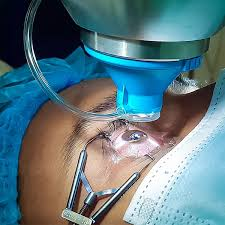
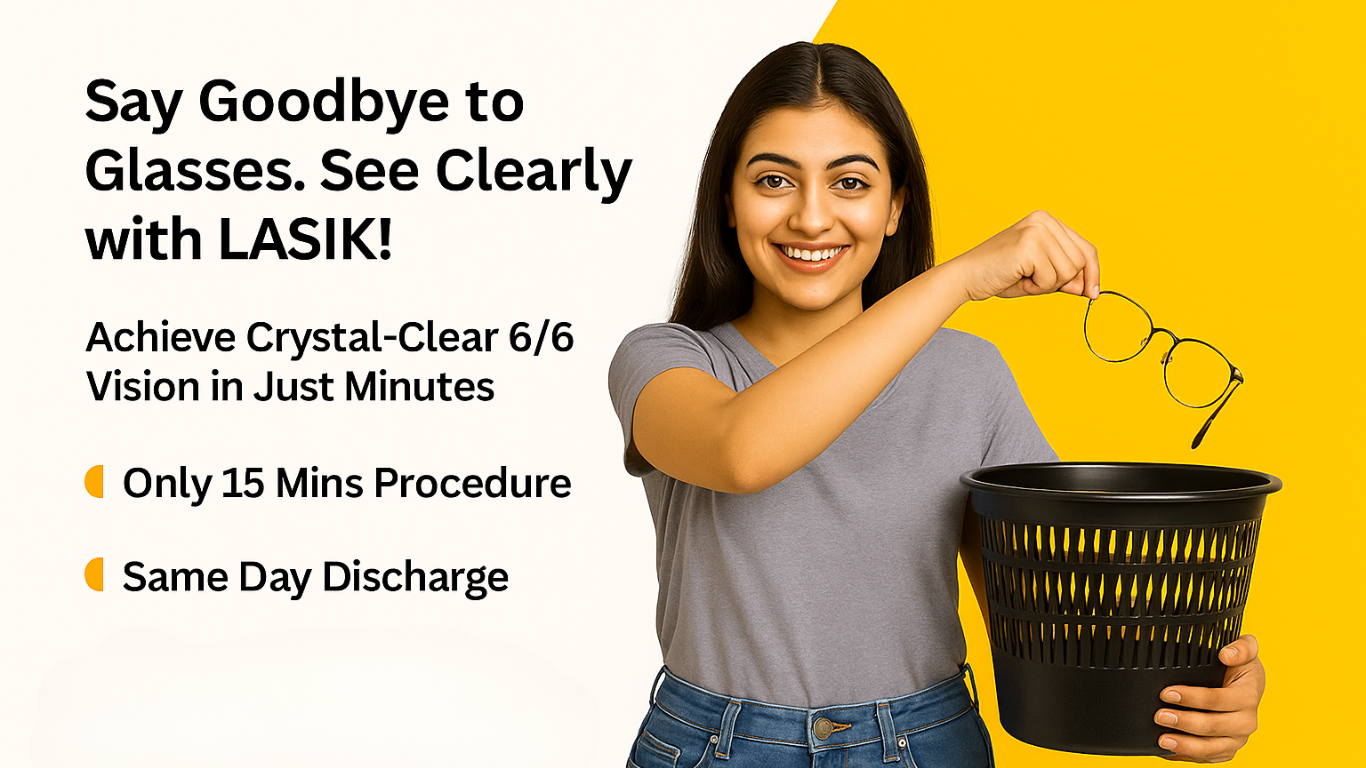
LASIK remains the most popular vision correction surgery. In 2026, “Next-Gen LASIK” often uses AI-based ray-tracing or topography-guided technology (like Contoura Vision) to create a digital twin of your eye, allowing for a 100% customized treatment.
- How it works: A femtosecond laser creates a thin flap on the cornea. An excimer laser then reshapes the underlying tissue, and the flap is replaced.
- Best for: Most patients with nearsightedness (myopia), farsightedness (hyperopia), and astigmatism.
- Recovery: Extremely fast; most people return to work within 24–48 hours.
2. SMILE (Small Incision Lenticule Extraction):
SMILE is the leading “flapless” laser procedure. It is often preferred by athletes or those with active lifestyles because there is no risk of flap displacement.
- How it works: A laser creates a tiny, lens-shaped bit of tissue (a lenticule) inside the cornea, which is then removed through a microscopic incision to change the cornea’s shape.
- Best for: Nearsightedness and astigmatism, particularly for those with dry eye concerns or active hobbies.
- Recovery: Fast, with less post-operative dryness compared to LASIK.
3. PRK (Photorefractive Keratectomy):
The predecessor to LASIK, PRK, is still a vital tool in 2026 for patients who don’t qualify for other surgeries.
- How it works: The thin outer layer of the cornea (epithelium) is removed completely, and the laser reshapes the surface directly. The layer grows back naturally.
- Best for: Patients with very thin or irregular corneas.
- Recovery: Slower (3–5 days of discomfort) and several weeks for full visual clarity, but the long-term results are identical to LASIK.
4. ICL (Implantable Collamer Lens):
If your prescription is too high for lasers to handle safely, ICL is the gold standard. Unlike laser surgery, this is a reversible procedure.
- How it works: A tiny, biocompatible lens is permanently placed inside the eye (behind the iris and in front of your natural lens).
- Best for: Extreme nearsightedness or patients with chronic dry eye who want to avoid laser treatments.
- Advantage: It offers built-in UV protection and doesn’t thin the cornea.
Comparison at a Glance;
| Feature | LASIK | SMILE | PRK | ICL |
| Correction | Myopia, Hyperopia, Astigmatism | Myopia, Astigmatism | Myopia, Hyperopia, Astigmatism | High Myopia |
| Incision | Flap | Micro-incision | Surface only | Micro-incision |
| Recovery | 1 Day | 1-2 Days | 5-7 Days | 1-2 Days |
| Dry Eye Risk | Moderate | Low | Low | None |
Risks and Considerations:
While modern technology has pushed success rates above 98% for 20/20 vision, no surgery is without risk. Common temporary side effects include:
- Dryness: Most common in the first few months.
- Visual Disturbances: Halos, glare, or “starbursts” around lights at night.
- Regression: In rare cases, the eye may drift back toward its original prescription over several years.
Is It Right for You?
The “best” surgery is no longer a one-size-fits-all answer. Your surgeon will use high-speed eye tracking and 3D corneal mapping to determine which method fits your anatomy. Generally, if you are over 18 and your prescription has been stable for at least a year, you are likely a candidate for at least one of these life-changing procedures.