

What Is LASIK Eye Surgery?
LASIK eye surgery has become almost synonymous with freedom—freedom from glasses sliding down your nose, freedom from the daily hassle of contact lenses, and freedom from constantly worrying about your vision. But before diving into the LASIK laser eye surgery price, it’s important to understand what you’re actually paying for. LASIK, which stands for Laser-Assisted In Situ Keratomileusis, is a procedure designed to reshape the cornea so that light entering your eye is properly focused onto the retina. That simple adjustment can dramatically improve vision, often eliminating the need for corrective lenses altogether.
Think of your eye like a camera. If the lens isn’t shaped correctly, your image comes out blurry. LASIK acts like a precision tool that reshapes that lens, allowing for sharper focus. The procedure itself is quick—usually around 15 minutes for both eyes—and most patients notice improved vision within 24 hours. That sounds almost too good to be true, right? That’s exactly why people often question the price. Is it really worth the investment?
The reality is that LASIK isn’t just a cosmetic procedure—it’s a medical intervention that requires advanced technology, skilled professionals, and careful evaluation. The cost reflects all of these components, not just the few minutes you spend under the laser. When you start viewing LASIK as a long-term investment rather than a one-time expense, the pricing begins to make a lot more sense.
How LASIK Works to Correct Vision
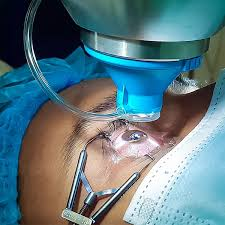
Understanding how LASIK works can help justify why the cost of LASIK surgery varies so much. During the procedure, a surgeon creates a thin flap in the cornea using either a microkeratome blade or a femtosecond laser. This flap is gently lifted, and an excimer laser reshapes the underlying corneal tissue with extreme precision—down to microns. Once reshaped, the flap is repositioned, acting like a natural bandage without the need for stitches.
What makes LASIK so impressive is the level of customization involved. Modern systems use wavefront-guided technology to map your eye in detail, identifying imperfections that even glasses or contacts might not fully correct. This personalized approach is one reason why prices can differ significantly. You’re not just paying for a generic procedure—you’re paying for a tailored solution designed specifically for your eyes.
Imagine getting a suit tailored versus buying one off the rack. Both will cover you, but one fits perfectly. LASIK operates on that same principle. The more customized the procedure, the higher the cost tends to be—but also the better the outcome in many cases.

Who Is an Ideal Candidate for LASIK?
Not everyone is a perfect fit for LASIK, and this plays a role in pricing as well. Ideal candidates are typically over 18 years old, have stable vision for at least a year, and are free from certain eye conditions like severe dry eye or thin corneas. A thorough pre-operative exam is required to determine eligibility, and this evaluation itself is part of the overall cost structure.
If you’ve ever wondered why some clinics advertise extremely low LASIK prices, it’s often because they’re not including comprehensive screening or are targeting only ideal candidates. More complex cases may require advanced techniques, which naturally increases the price.
There’s also a psychological factor to consider. People often assume that if they qualify for LASIK, the process will be straightforward and cheap. But in reality, your eyes are unique, and treating them requires a personalized approach. This is why pricing isn’t one-size-fits-all. It’s more like buying a custom-built solution for one of your most valuable senses.
Average Cost of LASIK Eye Surgery
When people first search for LASIK laser eye surgery price, they’re often met with a wide range of numbers that can feel confusing or even misleading. On average, LASIK surgery costs between $1,500 and $3,500 per eye in many countries, particularly in the United States. That means a full procedure for both eyes could range from $3,000 to $7,000. But why such a big gap? That’s where things get interesting.
The lower end of the pricing spectrum often includes basic LASIK procedures using older technology or limited pre- and post-operative care. On the higher end, you’re typically paying for advanced laser systems, highly experienced surgeons, and comprehensive care packages that include follow-up visits and enhancements if needed. It’s a bit like choosing between economy and first class—you’ll reach the same destination, but the experience and comfort level can differ significantly.
Another thing many people overlook is how pricing is advertised. Some clinics promote a “starting at” price, which may only apply to a small percentage of patients with ideal conditions. Once you go in for a consultation, the final quote often ends up higher due to your specific needs.
Price Range Across Different Countries
The cost of LASIK isn’t uniform worldwide, and this opens up an interesting conversation about medical tourism. In countries like India, Turkey, or Thailand, LASIK procedures can cost anywhere from $800 to $2,000 for both eyes, making it significantly cheaper than in the U.S. or Europe. This price difference is largely due to lower operational costs, including labor and facility expenses.
However, cheaper doesn’t always mean better—or worse. Many international clinics use the same FDA-approved technology and have highly skilled surgeons. The key difference lies in regulation, follow-up care, and overall patient experience. Traveling abroad for LASIK might save money upfront, but it can complicate post-surgery care if something goes wrong.
Cost Variations Within the Same Country
Even within the same country, LASIK prices can vary dramatically depending on where you go. Urban centers with high living costs tend to have higher surgery prices compared to smaller towns.
But location isn’t the only factor. Clinics with state-of-the-art equipment and a strong reputation often charge premium prices. And honestly, when it comes to your vision, most people prefer not to cut corners. Paying a bit more for peace of mind and better outcomes often feels like a worthwhile trade-off.

Factors That Affect LASIK Surgery Price
When you look at the LASIK laser eye surgery price, it’s tempting to focus only on the final number. But that figure is actually a combination of several moving parts, each contributing to the overall experience, safety, and outcome of the procedure. Understanding these factors doesn’t just help you compare prices—it helps you make a smarter, more confident decision. After all, this isn’t like buying a new phone you can replace next year. You’re investing in your vision, something you rely on every waking moment.
One of the biggest misconceptions is that all LASIK procedures are essentially the same. In reality, the difference between a lower-cost and a premium LASIK procedure can be substantial. From the type of laser used to the surgeon’s expertise, each detail plays a role in both the price and the results. Think of it like dining at a restaurant: two places might serve the same dish, but the quality of ingredients, the chef’s skill, and the overall experience can vary dramatically.
Let’s break down the key elements that influence pricing so you can see exactly where your money is going—and why sometimes paying more actually means getting more value.
Technology and Equipment Used
The type of technology used during LASIK surgery is one of the most significant factors affecting cost. Clinics that invest in advanced laser systems, such as femtosecond lasers and wavefront-guided technology, tend to charge higher prices. But there’s a good reason for that. These systems offer greater precision, reduced risk of complications, and often better visual outcomes.
For example, bladeless LASIK, which uses a laser instead of a microkeratome blade to create the corneal flap, is generally more expensive. However, it also reduces the likelihood of flap-related complications and improves overall safety. Similarly, custom wavefront LASIK maps your eye in incredible detail, allowing for a highly personalized treatment that can correct subtle imperfections.
It’s a bit like upgrading from standard definition to ultra-high-definition TV. Both will show you the picture, but one delivers a sharper, more refined experience. When you’re dealing with your eyesight, that extra clarity can make a noticeable difference in everyday life.
Surgeon’s Experience and Reputation
Would you trust a beginner with your eyesight just to save a few hundred dollars? Probably not—and that’s exactly why the surgeon’s experience plays such a huge role in pricing. Highly experienced surgeons who have performed thousands of procedures often charge more, but they also bring a level of skill and confidence that’s hard to quantify.
Studies have shown that complication rates are generally lower when procedures are performed by seasoned professionals. That peace of mind alone can justify a higher cost. Plus, reputable surgeons often work in well-established clinics with better equipment and stricter safety protocols.
There’s also a subtle psychological factor at play. When a clinic charges more, it often signals quality and trust. While that’s not always guaranteed, in the medical field, higher prices frequently correlate with better training, certifications, and patient outcomes.
Clinic Location and Facilities
Location matters more than you might think when it comes to LASIK pricing. Clinics in major metropolitan areas typically have higher overhead costs—rent, staff salaries, and operational expenses—which are reflected in their pricing. On the flip side, clinics in smaller cities or less populated areas may offer lower prices for the same procedure.
However, facilities also differ in terms of comfort, cleanliness, and overall patient experience. Premium clinics often provide a more comprehensive experience, including detailed consultations, advanced diagnostic testing, and personalized follow-up care. These extras might not seem essential at first, but they can significantly enhance your overall journey.
Imagine the difference between a basic clinic and one that feels more like a high-end wellness center. The latter might cost more, but it also provides reassurance and a smoother experience from start to finish. For many patients, that added comfort is well worth the extra expense.
Types of LASIK and Their Costs
Not all LASIK procedures are created equal, and the type you choose—or are recommended—can have a big impact on the final price. This is where things can get a bit technical, but understanding the differences is key to making an informed decision. Each type of LASIK is designed to address specific vision needs, and the level of customization involved often determines the cost.
Traditional LASIK vs Blade-Free LASIK
Traditional LASIK, which uses a microkeratome blade to create the corneal flap, is typically the more affordable option. It has been used for decades and has a strong track record of success. However, it’s gradually being replaced by more advanced methods.
Blade-free LASIK, also known as all-laser LASIK, uses a femtosecond laser instead of a blade. This approach offers greater precision and reduces the risk of complications. Because of the advanced technology involved, it usually costs more—often by several hundred dollars per eye.
Here’s a quick comparison:
| Feature | Traditional LASIK | Blade-Free LASIK |
|---|---|---|
| Flap Creation | Microkeratome Blade | Femtosecond Laser |
| Precision | High | Very High |
| Cost | Lower | Higher |
| Safety | Good | Excellent |
While both methods are effective, many patients prefer blade-free LASIK for its enhanced safety profile and improved outcomes. It’s one of those situations where spending a bit more upfront can lead to better long-term satisfaction.
Custom Wavefront LASIK Pricing
If you’re looking for the most advanced option available, custom wavefront LASIK is often considered the gold standard. This technique uses detailed mapping of your eye to create a personalized treatment plan, addressing even minor imperfections that standard LASIK might miss.
Because of its high level of customization, wavefront LASIK is usually the most expensive option. However, it also offers some of the best visual outcomes, particularly for patients with complex prescriptions or higher-order aberrations.
Think of it as upgrading from a generic solution to something tailor-made just for you. While the cost may be higher, the results can be significantly better—especially when it comes to night vision, contrast sensitivity, and overall clarity.
What’s Included in LASIK Surgery Cost?
One of the most overlooked aspects of LASIK pricing is what’s actually included in the quoted cost. Many people assume they’re only paying for the procedure itself, but in reality, the price often covers a full package of services designed to ensure safety and success.
Most reputable clinics include:
- Comprehensive pre-operative evaluation
- The LASIK procedure itself
- Post-operative follow-up visits
- Medications such as eye drops
- Enhancement procedures (in some cases)
This all-inclusive approach can make a higher price seem more reasonable when you break it down. It’s not just about the surgery—it’s about the entire journey, from initial consultation to full recovery.
Pre-Operative and Post-Operative Care
Pre-operative care is crucial for determining whether you’re a good candidate for LASIK. This involves detailed eye exams, corneal mapping, and discussions about your medical history. Skipping or minimizing this step can increase risks, which is why high-quality clinics invest heavily in thorough evaluations.
Post-operative care is equally important. After the procedure, you’ll need follow-up visits to monitor healing and ensure optimal results. Some clinics include these visits in the overall cost, while others charge separately—something to watch out for when comparing prices.
Hidden Costs You Should Know About
Even with transparent pricing, there can still be hidden costs associated with LASIK surgery. These aren’t necessarily deceptive, but they’re often not emphasized upfront.
Enhancement Procedures and Medications
In some cases, patients may require an enhancement procedure to fine-tune their vision after the initial surgery. While some clinics include this in their package, others charge extra. This can add several hundred to a few thousand dollars to your total cost.
Medications, such as antibiotic and anti-inflammatory eye drops, may also be billed separately. While these costs are relatively small compared to the surgery itself, they can still add up.
Being aware of these potential extras helps you avoid surprises and plan your budget more accurately. It’s always a good idea to ask for a detailed breakdown of costs before committing to any procedure.
Is LASIK Covered by Insurance?
One of the first questions people ask when exploring the LASIK laser eye surgery price is whether insurance will cover it. The short answer? In most cases, no. LASIK is typically considered an elective or cosmetic procedure, which means standard health insurance plans don’t include it in their coverage. That can feel frustrating, especially when you consider how significantly LASIK can improve daily life. But insurance companies usually categorize it as non-essential because glasses or contact lenses are seen as acceptable alternatives.
That said, the situation isn’t entirely black and white. Some insurance providers offer partial discounts through partnered clinics or vision plans. These discounts might not slash the price in half, but they can still shave off a few hundred dollars per eye. It’s worth checking with your provider—not just assuming you’re on your own financially.
Another option many people overlook is using Flexible Spending Accounts (FSA) or Health Savings Accounts (HSA). These accounts allow you to use pre-tax dollars to pay for medical expenses, including LASIK. In practical terms, that can reduce the effective cost by 20–30%, depending on your tax bracket. It’s not a direct discount, but it’s still real savings.
Financing Options and Payment Plans
Since LASIK requires upfront payment in most cases, clinics have adapted by offering flexible financing options. These plans are designed to make the procedure more accessible, especially for those who might hesitate at the initial cost.
Many clinics partner with medical financing companies to provide monthly payment plans, sometimes with 0% interest for a promotional period. This allows patients to spread the cost over 12 to 24 months without paying extra. Longer-term plans are also available, though they may include interest.
Here’s a simple comparison of common payment methods:
| Payment Option | Pros | Cons |
|---|---|---|
| Upfront Payment | No interest, possible discounts | High immediate cost |
| Monthly Financing | Affordable installments | Potential interest fees |
| FSA/HSA | Tax savings | Limited to available funds |
Choosing the right option depends on your financial situation, but the key takeaway is this: LASIK is more financially flexible than it appears at first glance. You don’t necessarily need to pay everything out of pocket in one go.
Is LASIK Worth the Cost?
Now comes the big question—is LASIK really worth the price? The answer isn’t just about money; it’s about lifestyle, convenience, and long-term value. When you look beyond the upfront cost, LASIK often starts to feel less like an expense and more like an investment.
Consider how much you spend on glasses and contact lenses over time. Between frames, lenses, cleaning solutions, and regular updates to your prescription, the costs can quietly add up. On average, contact lens wearers may spend $200 to $500 per year, while glasses can cost even more depending on the brand and features. Over 10 to 20 years, that easily surpasses the cost of LASIK.
Long-Term Savings vs Glasses and Contacts
Let’s put things into perspective with a simple comparison:
| Expense Type | Annual Cost | 10-Year Cost |
|---|---|---|
| Contact Lenses | $300 | $3,000 |
| Glasses | $250 | $2,500 |
| LASIK (One-Time) | — | $3,000–$7,000 |
While LASIK may seem expensive upfront, it can actually break even—or even save money—over time. But the real value goes beyond numbers. Imagine waking up and seeing clearly without reaching for glasses. Imagine traveling without worrying about contact lens supplies. These everyday conveniences are hard to quantify but incredibly impactful.
There’s also the emotional side of things. Many patients describe LASIK as life-changing, not just vision-correcting. That kind of transformation is difficult to put a price on.
Risks vs Price: What Are You Really Paying For?
When evaluating the cost of LASIK eye surgery, it’s important to understand that you’re not just paying for convenience—you’re also paying for safety and precision. Like any medical procedure, LASIK comes with risks, although they are relatively rare. These can include dry eyes, glare, halos, or under/over-correction.
Higher-priced clinics often invest more in advanced diagnostic tools and experienced staff, which can reduce these risks. In other words, part of what you’re paying for is a lower chance of complications and a higher likelihood of excellent results.
Think of it like flying on an airline. You could choose the cheapest option available, but would you feel more comfortable with a well-established airline known for safety and reliability? The same logic applies here. Your vision is too important to gamble on the lowest price alone.
It’s also worth noting that most complications, when they do occur, are temporary and manageable. Advances in technology have made LASIK safer than ever, with success rates often reported above 95%. Still, choosing a reputable clinic and surgeon is one of the most effective ways to minimize risk.
Tips to Save Money on LASIK Surgery
If you’re interested in LASIK but concerned about the cost, there are several smart ways to make it more affordable without compromising on quality. The key is to be strategic rather than simply choosing the cheapest option.
First, look for seasonal promotions or discounts. Many clinics offer limited-time deals, especially during slower months. These promotions can significantly reduce the overall price.
Second, consider using your FSA or HSA funds, as mentioned earlier. This is one of the easiest ways to lower your effective cost without sacrificing quality.
Third, don’t hesitate to compare multiple clinics. Prices can vary widely, even within the same city. Just make sure you’re comparing apples to apples—look at what’s included in each package, not just the headline price.
Finally, ask about bundle deals that include follow-up care and enhancements. While these packages may seem more expensive upfront, they can save money in the long run.
Saving money on LASIK isn’t about cutting corners—it’s about making informed choices that maximize value.
Conclusion
The LASIK laser eye surgery price might seem high at first glance, but when you break it down, it starts to make a lot more sense. You’re not just paying for a quick procedure—you’re investing in advanced technology, skilled professionals, and a long-term improvement in your quality of life. From the type of LASIK you choose to the clinic and surgeon you trust, every factor plays a role in shaping both the cost and the outcome.
For many people, LASIK isn’t just about clearer vision—it’s about freedom, convenience, and confidence. And when you consider the long-term savings and lifestyle benefits, the price often feels far more reasonable than it initially appears.
FAQs
1. How much does LASIK eye surgery cost on average?
LASIK typically costs between $1,500 and $3,500 per eye, depending on the technology used, the surgeon’s experience, and the clinic location. Premium procedures with advanced customization may cost more.
2. Is LASIK a permanent solution?
LASIK provides long-lasting results, but it doesn’t stop natural aging. Some people may need reading glasses later in life, but most enjoy clear distance vision for many years.
3. Does insurance cover LASIK surgery?
Most insurance plans do not cover LASIK because it’s considered elective. However, discounts, FSAs, and HSAs can help reduce the overall cost.
4. Are there any hidden costs in LASIK?
Potential extra costs include medications, follow-up visits, and enhancement procedures. Always ask for a detailed cost breakdown before committing.
5. Is cheaper LASIK safe?
Lower-cost LASIK can be safe, but it may involve older technology or less experienced surgeons. It’s important to prioritize quality and reputation over price alone.