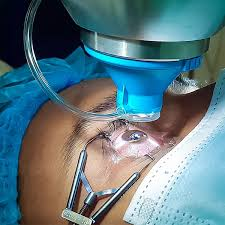


Laser eye surgery has revolutionized vision correction, but the healing process is a multi-staged journey that varies significantly depending on the specific procedure performed—most commonly LASIK, PRK/LASEK, or SMILE (iVision Laser, n.d.; Vision Eye Institute, n.d.). While many patients achieve functional vision within hours, full biological stabilization can take several months.
The Immediate Recovery Phase: First 24–48 Hours
For the most popular procedure, LASIK, the initial recovery is remarkably swift. Most patients experience a significant improvement in vision within the first 24 to 48 hours (iVision Laser, n.d.).
- Sensations: Immediately after the anesthetic wears off (usually 6–12 hours post-op), it is normal to feel stinging, itching, or a “gritty” sensation, as if there is a foreign body in the eye (Vision Eye Institute, n.d.).
- Initial Vision: Vision may be slightly blurry or fluctuate during these first few days as the eyes begin to adjust to their new focus (iVision Laser, n.d.).
- Care: Patients are typically required to wear dark sunglasses to combat light sensitivity and are strictly forbidden from rubbing their eyes to prevent displacing the corneal flap (nVision Centers, 2025).
Short-Term Healing: 1 to 4 Weeks
This period is defined by the regeneration of the epithelium (the outermost layer of the cornea). While LASIK patients often return to work the next day, those undergoing PRK or LASEK require more patience because the top layer of the cornea is physically removed or moved during surgery (Eye Clinic London, n.d.).
- Epithelial Regrowth: In PRK/LASEK, the epithelium takes roughly 3 to 7 days to regrow, during which a protective “bandage” contact lens is worn (Eye Clinic London, n.d.; Vision Eye Institute, n.d.).
- Activity Restrictions: Most surgeons recommend avoiding dusty environments, vigorous exercise, and swimming for at least two weeks to prevent infection or trauma to the healing tissue (iVision Laser, n.d.).
- The 20-20-20 Rule: To manage eye strain during screen use, patients are encouraged to look at something 20 feet away for 20 seconds every 20 minutes (iVision Laser, n.d.).
Long-Term Stabilization: 3 to 6 Months
True healing is a marathon, not a sprint. While you may see clearly, the internal structures of the eye are still undergoing microscopic repairs.
| Milestone | Healing Aspect |
| 1 Month | Dry eye symptoms peak; roughly 60% of patients still report some dryness (PMC, 2011). |
| 3 Months | Vision fluctuations generally stabilize for most patients (iVision Laser, n.d.). |
| 6 Months | Corneal sensation typically returns to normal as nerves begin to reinnervate the tissue (IOVS, n.d.). |
About the Author: Dr. Sushruth Appajigowda
Dr. Sushruth Appajigowda is a highly accomplished ophthalmologist and cornea & refractive surgeon based in Bengaluru, India. With over a decade of specialized experience, he has performed thousands of successful procedures, ranging from advanced cataract surgeries to complex refractive (laser) vision corrections. As a dedicated clinician and eye care advocate, Dr. Sushruth is known for integrating cutting-edge medical technology with a patient-centric approach to ensure the highest standards of safety and visual outcomes.