

Introduction:
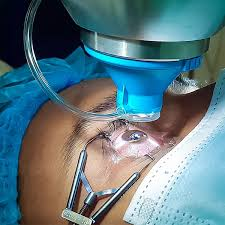
Laser eye surgery—most notably LASIK (Laser-Assisted In Situ Keratomileusis), PRK (Photorefractive Keratectomy), and SMILE (Small Incision Lenticule Extraction)—has transformed the lives of millions by reducing or eliminating dependence on glasses and contact lenses.
While these procedures are life-changing, a common question remains: Is the correction truly permanent? The short answer is yes, the physical change to the eye is permanent, but the “functional” results can be influenced by the natural aging process.
1. The Science of Permanence: Reshaping the Cornea:
The primary goal of laser eye surgery is to address refractive errors by altering the shape of the cornea (the clear front window of the eye).
- For myopia (nearsightedness): The laser flattens a cornea that is too steep.
- For hyperopia (farsightedness): The laser steepens a cornea that is too flat.
- For Astigmatism: The laser smooths an irregular cornea into a more symmetrical shape.
Once the excimer laser removes microscopic amounts of corneal tissue, that tissue does not regenerate. Therefore, the new shape of the cornea—and the corrective power it provides—is technically permanent.
2. Long-Term Stability and the “Regression” Phenomenon:
Extensive clinical studies spanning decades show that the vast majority of patients maintain their corrected vision for the long term. However, in a small percentage of cases (estimated between 3% and 10%), a phenomenon called regression can occur.
Regression is not the surgery “wearing off.” Instead, it is a slight shift in the eye’s refractive power over time, often caused by:
- The Eye’s Natural Healing Response: In rare cases, the cornea may slightly change shape as it settles years after the procedure.
- Biological Growth: If the surgery is performed while the eye is still changing (which is why surgeons require a stable prescription for at least 12–24 hours), the natural lengthening of the eyeball can reintroduce nearsightedness.
Enhancements: If significant regression occurs, most surgeons can perform a “touch-up” or enhancement procedure to restore sharpness.
3. The Impact of Natural Aging:
It is crucial to distinguish between the durability of the surgery and the natural aging of the eye. Laser eye surgery corrects the cornea, but it does not stop the internal parts of the eye from aging.
Presbyopia (The “Reading Glasses” Phase)
Around the age of 40 to 45, almost everyone experiences presbyopia. This is caused by the internal lens of the eye becoming less flexible, making it difficult to focus on close-up objects.
Important Note: Having LASIK in your 20s or 30s will not prevent presbyopia. You may still need reading glasses in your 40s for fine print, even if your distance vision remains perfect.
Cataracts:
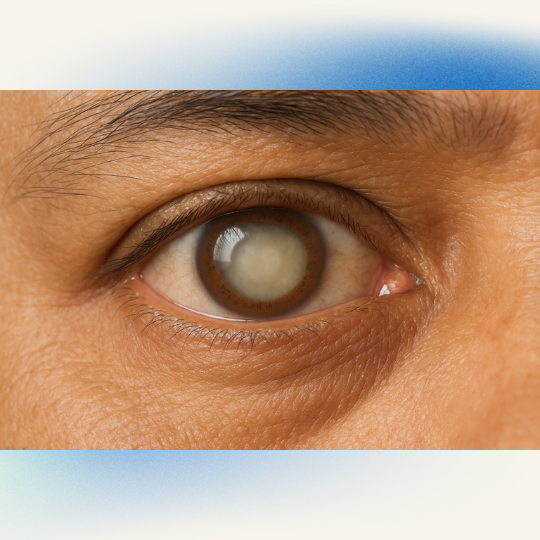
Later in life (usually 60s or 70s), the eye’s natural lens becomes cloudy, a condition known as a cataract. Because cataracts occur inside the lens, not on the laser-treated cornea, they will eventually blur vision regardless of whether you’ve had laser surgery. Fortunately, modern cataract surgery can often incorporate a corrective lens that maintains the visual freedom initially gained from LASIK.
4. Factors That Determine Success and Longevity
The lifespan of your surgical results depends heavily on individual variables:
- Initial Prescription Severity: Patients with extremely high prescriptions are slightly more prone to minor regression than those with mild corrections.
- Age at Time of Procedure: Patients who receive surgery in their mid-20s to late 30s often enjoy the longest “window” of clear vision before presbyopia begins.
- General Eye Health: Conditions like chronic dry eye or corneal thinning (keratoconus) can affect the stability of the results.
5. Summary: What to Expect Over the Decades:
| Timeline | Visual Expectation |
| Years 1–10 | High stability; most patients enjoy 20/20 vision or better without any aid. |
| Years 10–20 | Minor shifts may occur in a small percentage of people; distance vision usually remains strong. |
| Age 45+ | Presbyopia typically begins; reading glasses or “monovision” adjustments may be needed. |
| Age 65+ | Potential cataract development may require lens replacement surgery. |
Conclusion:
Laser eye surgery is a permanent surgical alteration that provides lasting refractive correction. While it cannot grant “immunity” to the natural aging process of the human body, it significantly improves quality of life for the long haul. By choosing a skilled surgeon and ensuring your prescription is stable before the procedure, you can maximize the decades of clear vision the surgery provides.