
If you’re planning to get rid of glasses or contact lenses, choosing the right Choosing a LASIK eye surgery doctor is the most important step in your vision correction journey. lasik eye surgery doctors The doctor you select directly impacts your safety, comfort, and long-term results. This guide walks you through everything you need to know—from qualifications to costs—so you can make a confident, informed choice.
What Is LASIK Eye Surgery?
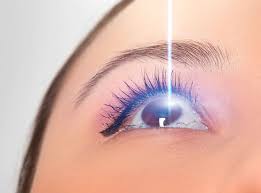
LASIK (Laser-Assisted In Situ Keratomileusis) is a vision correction procedure that reshapes the cornea using an advanced laser. The goal is simple: helping you see clearly without glasses or lenses.
How LASIK Works
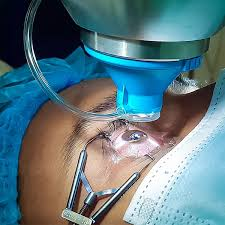
A small flap is created on the cornea, the laser reshapes the underlying tissue, and the flap is gently placed back. Lasik eye surgery doctors The entire process takes less than 20 minutes for both eyes.

Conditions Treated
- Nearsightedness (Myopia)
- Farsightedness (Hyperopia)
- Astigmatism
Who Performs LASIK Eye Surgery?
Not every eye doctor performs LASIK. Only a trained and certified refractive surgeon is authorized to carry out this advanced procedure.
Training & Certification
A qualified LASIK specialist usually has:
- MBBS + MS/MD in Ophthalmology
- Fellowship in Refractive Surgery
- Thousands of completed LASIK cases
- Expertise with advanced lasers and diagnostic tools
Qualities of the Best LASIK Eye Surgery Doctors
Wondering what makes one surgeon better than another? Here are the traits that top specialists share:
1. High Surgical Experience
Choose doctors who have performed at least 3,000–5,000 LASIK procedures.
2. Mastery of the Latest Technology
Modern LASIK requires deep understanding of the following:
- Femtosecond lasers
- Contoura Vision
- Wavefront technologies
3. Honest Communication
A good doctor explains risks, benefits, and alternatives clearly—not just the “good parts.”
4. Patient-Centered Care
Top surgeons take time to understand your eye health, lifestyle, and expectations.
Why Choosing the Right LASIK Doctor Matters
LASIK is extremely safe, but outcomes depend heavily on your doctor’s skill.
Better Precision & Safety
A skilled specialist minimizes risks like dry eyes or glare.
Accurate Vision Correction
Good surgeons tailor treatment to your unique eye measurements.
Fewer Complications
An experienced doctor quickly identifies issues such as thin corneas or unstable power.
Technologies Used by the Best LASIK Specialists:
Blade LASIK vs. Bladeless LASIK
- Blade LASIK uses a microkeratome
- Bladeless uses a femtosecond laser (safer, preferred)
Wavefront-Guided LASIK
Corrects minute irregularities for sharper vision.
Contoura Vision LASIK
A topography-guided method—ideal for personalized, 4K-like clarity.
Signs You Have Found a Skilled LASIK Doctor:
✔ Transparent explanation of risks
✔ Thorough eye evaluation
✔ No forced decision-making
✔ Offers multiple refractive procedures
✔ Encourages questions
Questions to Ask Your LASIK Eye Surgeon:
Before finalizing your doctor, ask the following:
1. How many LASIK procedures have you performed?
2. What technology do you use?
3. What is your complication rate?
4. Am I a suitable candidate?
5. What should I expect after surgery?
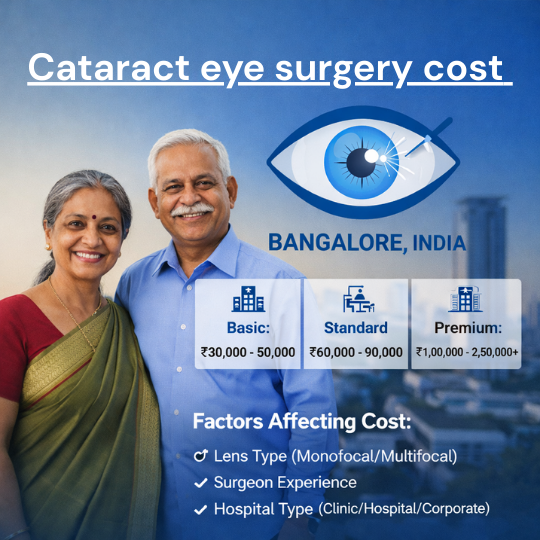
Cost of LASIK & What Affects It
The cost generally depends on the following:
- Doctor’s skill level
- Technology used (Contoura, Wavefront, Femtosecond)
- Clinic location
- Whether the price includes aftercare
What Happens During a LASIK Consultation?
A LASIK consultation is detailed and includes the following:
- Corneal thickness measurement
- Tear film evaluation
- Retina examination
- Power stability testing
- 3D corneal mapping
This helps your surgeon decide if LASIK is right for you.
LASIK Surgery Process Explained by Doctors
Step-by-Step
- Numbing drops applied
- Corneal flap creation
- Laser reshaping
- Flap reposition
- Rest for 10–15 minutes
Most patients say they feel no pain, only mild pressure.
What to Expect After LASIK
Recovery Timeline
- Vision improves in 6–24 hours
- Mild dryness is normal
- Avoid rubbing eyes
- Follow-up after 1 day, 1 week, and 1 month
Common Myths Doctors Want to Clear
Myth 1: LASIK is painful
Reality: Only pressure—not pain.
Myth 2: LASIK results don’t last
Reality: For most people, results last a lifetime.
Myth 3: LASIK is unsafe
Reality: It’s one of the safest elective surgeries worldwide.
Conclusion:
Choosing the right LASIK eye surgery doctor is the most important step toward achieving crystal-clear, glasses-free vision. With the right specialist—experienced, transparent, and equipped with the latest technology—you can look forward to safe surgery and exceptional results. Take time to research, ask questions, and select a surgeon who truly cares about your eyes.
FAQs:
1. How do I know if my LASIK doctor is qualified?
Check certifications, surgical experience, and patient reviews.
2. Is LASIK safe for everyone?
No. People with thin corneas, unstable power, or certain eye diseases may need alternatives.
3. How long does LASIK surgery take?
About 15–20 minutes for both eyes.
4. Will I need glasses again after LASIK?
Most people enjoy long-term clarity, though reading glasses may be needed after age 40.
5. How soon can I return to work after LASIK?
Most patients resume work within 24–48 hours.