
Introduction:
Living with astigmatism can feel like trying to watch a high-definition movie through a fogged-up window. Street signs appear distorted, lights create halos at night, and even with glasses, some people never experience perfectly crisp vision. Astigmatism is one of the most common refractive errors worldwide, affecting millions of people across different age groups. While glasses and contact lenses have long been the traditional solution, modern laser eye surgery has transformed the way astigmatism is treated.
Today, advanced procedures such as LASIK, SMILE, and PRK can reshape the cornea with remarkable precision. Modern eye-tracking systems and customized laser platforms are capable of correcting even complex astigmatism patterns with greater accuracy than ever before. Recent clinical studies published in 2025 and 2026 reported high levels of safety, predictability, and visual outcomes for patients undergoing laser correction for astigmatism. Many patients achieve 20/20 vision or better after surgery when properly selected and evaluated.
If you are tired of depending on glasses or contact lenses every day, understanding how laser eye surgery works for astigmatism can help you make a confident decision. This guide covers everything from causes and treatment options to costs, recovery, risks, and expected results.
Understanding Astigmatism:
Astigmatism occurs when the cornea or lens of the eye has an irregular shape. Instead of being perfectly round like a basketball, the eye becomes shaped more like a rugby ball. Because of this uneven curvature, light entering the eye fails to focus at a single point on the retina. The result is blurry, distorted, or stretched vision at both near and far distances.
Many people mistakenly believe astigmatism is an eye disease. In reality, it is a refractive error, similar to nearsightedness and farsightedness. Some people are born with it, while others develop it gradually over time. Genetics often plays a major role, although injuries, certain eye surgeries, and corneal conditions can also contribute.
What Causes Astigmatism?
The most common cause is an irregularly shaped cornea. Since the cornea is responsible for most of the eye’s focusing power, even a small irregularity can significantly affect vision quality. Some individuals have regular astigmatism, where the curvature follows a predictable pattern. Others may develop irregular astigmatism due to corneal scarring or conditions such as keratoconus.
Common Symptoms of Astigmatism
People with astigmatism often experience symptoms that interfere with daily life. These include blurred vision, eye strain, headaches, squinting, difficulty driving at night, and seeing halos around lights. Many individuals report that digital screens become tiring after prolonged use. If left uncorrected, astigmatism can affect reading performance, workplace productivity, and overall visual comfort.
Can Laser Eye Surgery Correct Astigmatism?
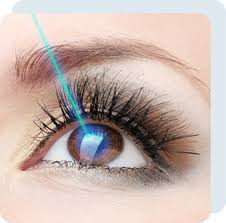
The simple answer is yes. Laser eye surgery has become one of the most effective methods for correcting astigmatism. The procedure works by reshaping the cornea so that incoming light focuses properly on the retina. Once the corneal surface becomes more symmetrical, vision becomes significantly clearer.
Think of the cornea like the windshield of a car. If the glass is uneven or warped, your view becomes distorted. Laser surgery essentially smooths and reshapes that windshield to restore clarity. Advanced laser systems use computerized mapping technologies that create highly detailed images of the cornea before treatment.
How Laser Technology Reshapes the Cornea
Modern laser platforms use precise measurements of corneal thickness, shape, and refractive error. The surgeon programs the laser to remove microscopic amounts of tissue in specific areas. This customized treatment changes the way light bends as it enters the eye.
While the actual corneal reshaping is more complex than a simple graph, advanced mapping systems use mathematical modeling and topography-guided analysis to achieve highly personalized corrections.
Success Rates and Modern Advancements
Recent clinical studies show impressive outcomes for laser correction of astigmatism. Research published in the Journal of Refractive Surgery found that over 95% of treated eyes achieved 20/20 uncorrected visual acuity, while more than 97% were within ±0.50 diopters of their intended correction. (Ovid)
New technologies such as wavefront-guided LASIK, topography-guided LASIK, and ray-tracing-guided treatments are improving precision even further. These technologies analyze individual optical imperfections and create customized treatment plans for each patient. (Nature)
Types of Laser Eye Surgery for Astigmatism:
Not all laser eye surgeries are the same. The ideal procedure depends on your corneal thickness, prescription strength, eye health, and lifestyle needs.
LASIK Surgery
LASIK remains the most popular laser vision correction procedure worldwide. During LASIK, the surgeon creates a thin flap in the cornea and lifts it to expose the underlying tissue. An excimer laser then reshapes the cornea before the flap is repositioned.
The biggest advantage of LASIK is rapid recovery. Most patients notice significant visual improvement within 24 hours. Modern femtosecond LASIK platforms combined with advanced eye-tracking systems have made astigmatism correction highly predictable. Studies conducted in 2025 reported excellent safety profiles and stable visual outcomes even in patients with significant astigmatism. (Ovid)
SMILE Eye Surgery
SMILE, or Small Incision Lenticule Extraction, is a minimally invasive laser procedure. Instead of creating a large corneal flap, the surgeon removes a tiny piece of corneal tissue through a small incision.
Patients often prefer SMILE because it preserves more corneal nerves, potentially reducing dry eye symptoms. Recent comparative studies found that SMILE delivers excellent visual outcomes for mild to moderate astigmatism and continues to gain popularity globally. (Frontiers)
PRK Surgery
Photorefractive keratectomy, commonly known as PRK, was one of the earliest laser vision correction techniques. Although recovery is slower compared to LASIK, PRK remains an excellent option for patients with thinner corneas.
Since no corneal flap is created, PRK may be recommended for athletes, military personnel, and individuals with higher risks of eye trauma. Visual recovery can take several weeks, but long-term results are often comparable to LASIK.
Who Is a Good Candidate for Astigmatism Laser Surgery?
Not everyone with astigmatism qualifies for laser eye surgery. A detailed eye examination is essential before deciding on treatment.
Essential Eligibility Requirements
Most candidates should be at least 18 years old with stable vision for one year or longer. Healthy corneas, sufficient corneal thickness, and realistic expectations are also important factors. Surgeons evaluate tear film quality, pupil size, corneal shape, and retinal health before recommending surgery.
Patients with mild to moderate astigmatism generally achieve the most predictable outcomes. However, technological advances now allow many individuals with higher levels of astigmatism to be treated successfully as well. (ScienceDirect)
When Surgery May Not Be Recommended:
Certain conditions may disqualify someone from laser vision correction. These include keratoconus, severe dry eye syndrome, uncontrolled diabetes, autoimmune disorders, and unstable prescriptions. Pregnancy can also temporarily affect vision measurements, so surgeons often recommend postponing treatment.
For patients who are not ideal laser candidates, alternatives such as implantable contact lenses (ICL) may provide excellent vision correction. Community experiences shared online frequently highlight ICL as an effective solution for individuals with very high astigmatism or thin corneas. (Reddit)
Laser Eye Surgery Procedure Step by Step
Many people feel nervous before surgery because they are unsure what actually happens in the operating room. Understanding the process can reduce anxiety and increase confidence.
Pre-Surgery Evaluation
The journey begins with a comprehensive eye examination. Advanced diagnostic equipment measures corneal thickness, refractive error, pupil size, and tear production. Corneal topography creates a detailed map of the eye’s surface.
The surgeon reviews these findings and determines which procedure offers the safest and most effective results. This planning stage is arguably the most important part of successful astigmatism correction.
What Happens During the Procedure:
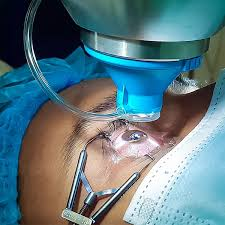
The surgery itself is surprisingly quick. Most procedures take less than 15 minutes per eye. Numbing eye drops prevent discomfort, and patients remain awake throughout the process.
| Step | Description |
|---|---|
| 1 | Numbing eye drops are applied |
| 2 | Eye position is stabilized |
| 3 | A corneal flap or incision is created |
| 4 | Laser reshaping the cornea |
| 5 | The cornea is repositioned naturally |
| 6 | Recovery begins immediately |
Many patients describe seeing bright lights and experiencing slight pressure, but not pain. The laser portion typically lasts only seconds.
Recovery After Astigmatism Eye Surgery
Recovery is often one of the most exciting phases because patients begin experiencing improved vision almost immediately.
First 24 Hours
Most LASIK patients notice dramatic visual improvement within the first day. Mild tearing, burning, dryness, and light sensitivity are common but temporary. Doctors recommend resting, avoiding eye rubbing, and using prescribed eye drops exactly as instructed.
Nighttime halos and glare may occur during early healing. Many patients worry when vision fluctuates during the first few weeks, but this is usually a normal part of recovery.
Long-Term Healing Timeline
Healing continues for several months after surgery. Studies and patient experiences suggest that final visual outcomes may take three to six months to stabilize, especially in individuals with higher astigmatism levels. (Reddit)
Regular follow-up appointments help ensure proper healing and allow surgeons to monitor visual progress. Most patients gradually notice sharper vision, improved night driving, and reduced dependency on corrective lenses.
Benefits and Risks of Laser Eye Surgery:
Every medical procedure involves both advantages and potential risks. Understanding both sides helps patients make informed decisions.
Major Benefits
Laser eye surgery offers freedom from glasses and contact lenses, clearer vision, greater convenience, and improved quality of life. Many patients report increased confidence, especially during sports, travel, and outdoor activities.
Recent clinical studies continue to demonstrate high levels of patient satisfaction. Advanced technologies have significantly improved treatment accuracy and reduced complication rates. (ScienceDirect)
Possible Side Effects and Risks
Although complications are uncommon, no procedure is entirely risk-free.
Common temporary side effects include:
- Dry eyes
- Halos around lights
- Night glare
- Fluctuating vision
- Mild discomfort
Rare complications may include infection, under-correction, over-correction, or residual astigmatism. Some patients may eventually require enhancement procedures to achieve optimal vision. Community discussions frequently emphasize the importance of realistic expectations and thorough surgeon selection. (Reddit)
Cost of Laser Eye Surgery for Astigmatism:
The cost of laser eye surgery varies based on the technology used, surgeon expertise, geographic location, and complexity of the prescription.
| Procedure | Average Cost Range (India) |
|---|---|
| LASIK | ₹25,000 – ₹90,000 per eye |
| SMILE | ₹60,000 – ₹150,000 per eye |
| PRK | ₹25,000 – ₹70,000 per eye |
| ICL | ₹100,000 – ₹350,000 per eye |
While price matters, choosing surgery based solely on cost can be risky. Advanced diagnostic testing, experienced surgeons, and modern laser platforms often contribute significantly to long-term success.
Choosing the Best Eye Surgeon:
Selecting the right surgeon is just as important as selecting the right procedure. Look for surgeons who specialize in refractive surgery, use advanced diagnostic technologies, and provide detailed preoperative evaluations.
Ask questions about complication rates, enhancement policies, technology platforms, and expected outcomes for your specific prescription. A reputable surgeon will discuss both benefits and limitations honestly rather than guaranteeing perfect results.
Patient reviews, surgeon credentials, and clinic reputation can provide valuable insights. The goal is not simply finding the cheapest option but finding a team committed to safety, precision, and long-term visual quality.
Conclusion:
Laser eye surgery for astigmatism has evolved dramatically over the last decade. Advanced technologies such as wavefront-guided LASIK, topography-guided treatments, and SMILE have made vision correction safer and more precise than ever before. Clinical research published in 2025 and 2026 continues to demonstrate excellent outcomes, high patient satisfaction, and strong predictability for astigmatism correction. (Nature)
For many people, laser eye surgery represents more than a medical procedure. It is an opportunity to wake up and see clearly without searching for glasses or dealing with contact lenses. The key to success lies in proper patient selection, advanced technology, realistic expectations, and choosing an experienced refractive surgeon. With the right approach, clearer vision may be closer than you think.
FAQs:
1. Can LASIK completely remove astigmatism?
In many cases, LASIK can significantly reduce or completely correct astigmatism. Results depend on the severity of the condition and individual healing patterns.
2. Is laser eye surgery painful?
Most patients experience little to no pain during the procedure because numbing eye drops are used. Mild discomfort may occur during the recovery period.
3. How long does recovery take after LASIK for astigmatism?
Many patients return to normal activities within a few days, although complete visual stabilization may take several weeks or months.
4. Can astigmatism return after laser surgery?
Small changes may occur over time due to natural aging or healing responses, but significant recurrence is uncommon in stable patients.
5. Which is better for astigmatism: LASIK or SMILE?
Both procedures provide excellent results. The best choice depends on corneal thickness, prescription level, lifestyle, and surgeon recommendation.