
What Is Laser Eye Surgery?
Laser corrective eye surgery cost is often the first thing people search before deciding whether this life-changing procedure is worth it. Laser corrective eye surgery is a modern solution for fixing common vision problems like nearsightedness (myopia), farsightedness (hyperopia), and astigmatism. Instead of relying on glasses or contact lenses every day, this procedure reshapes your eye so light focuses correctly on the retina. The result? Clearer vision—often within hours or days.
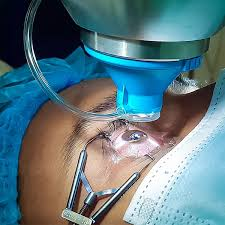
Think of your eye like a camera. If the lens isn’t shaped properly, the image turns blurry. Laser surgery simply fine-tunes that lens. It’s quick, precise, and usually done in under 15 minutes.
What draws people in isn’t just the science—it’s the lifestyle shift. No more misplaced glasses. No more dry contacts. Just waking up and seeing clearly. That kind of convenience is hard to ignore.
Still, the big question remains: What is the laser corrective eye surgery cost? The answer isn’t one-size-fits-all, and understanding the basics will help you avoid overpaying—or underestimating the real value.

How It Improves Vision
The laser gently reshapes the cornea, which is the clear front surface of your eye. When the cornea has the right shape, light hits the retina perfectly, giving you sharp vision.
Cornea Reshaping Explained Simply
Imagine adjusting a slightly warped mirror so it reflects perfectly. That’s essentially what the laser does—tiny, precise changes that make a big difference in clarity.
Types of Laser Corrective Eye Surgeries
Not every eye is the same, which is why there isn’t just one type of laser. Depending on how thick your cornea is or how high your “power” is, a surgeon will recommend a specific tool.
LASIK vs PRK vs SMILE
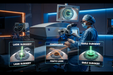
- LASIK: The most famous. A tiny flap is made, the laser does its work underneath, and the flap is put back. Recovery is incredibly fast.
- PRK: No flap is made. The laser works on the surface. It’s great for people with thin corneas, though the “itchy” recovery takes a few days longer.
- SMILE: The modern “no-flap” marvel. It uses a tiny incision, making it popular for athletes or those with active jobs who worry about flap injuries
Why People Choose Laser Eye Surgery
It’s rarely just about the math. People choose surgery to see their alarm clock, to swim without goggles, or to simply feel more confident in photos.
Lifestyle Benefits Beyond Cost
Imagine a rainy day where your “lenses” don’t fog up, or a workout where you don’t have to push your frames back up your nose every thirty seconds. These “micro-frustrations” disappear, giving you a level of mental freedom that is hard to put a price on.
Average Cost of Laser Eye Surgery in 2026
In 2026, the technology has become more accessible, but precision remains a premium. In India, you can expect to pay anywhere from ₹35,000 to ₹160,000 for both eyes, depending on the tech level.
Cost Breakdown by Procedure Type
| Procedure | Approx. Cost (Both Eyes) |
| PRK | ₹50,000 – ₹75,000 |
| Standard LASIK | ₹35,000 – ₹60,000 |
| SMILE / SMILE Pro | ₹110,000 – ₹160,000 |
Laser Corrective Eye Surgery Cost by Procedure Type
LASIK Cost
Standard LASIK remains the “best value” for most. It’s tried, tested, and affordable, usually hovering around ₹45,000 at reputable centers.
PRK Cost
Because it doesn’t require a flap-making laser, PRK is often slightly cheaper than high-end LASIK, but remember to factor in a few extra days of “time off work” for recovery.
SMILE Cost
As the newest tech on the block, SMILE carries a higher price tag. You are paying for a “flapless” experience and the peace of mind that comes with a faster, less invasive healing process.
Factors That Influence the Laser Corrective Eye Surgery Cost
Why does one clinic quote ₹40k while another quotes ₹1 lakh? It’s rarely just marketing.
Technology and Equipment Used
Newer lasers like the VisuMax 800 or Contoura Vision suites require massive investments from the hospital. These machines offer “HD vision” and better safety profiles, which are reflected in the procedure cost.
Surgeon’s Experience and Reputation
An expert surgeon who has performed 10,000+ procedures brings a level of “muscle memory” to the operating room. You are paying for their ability to handle even the rarest complications with ease.
Geographic Location
In 2026, getting surgery in Bangalore, Mumbai, and Delhi might cost 15-20% more than in a smaller town due to the higher overhead of running a super-specialty hospital in a metro area.
Hidden Costs You Should Know
The “sticker price” isn’t always the “final price.”
Pre- and Post-Operative Care
Check if your quote includes:
- The Pre-Op Scan: Vital tests like corneal topography or pachymetry (₹3,000–₹6,000).
- Medications: Antibiotic and lubricating drops (₹2,000).
- Follow-ups: You’ll need check-ups at 1 day, 1 week, and 1 month.
Is Laser Eye Surgery Covered by Insurance?
In 2026, the answer is “sometimes.” Standard insurance often calls it “cosmetic.” However, if your power is high (above -7.5 Diopters), many Indian insurers now categorize it as a medical necessity.
Cost vs Value: Is It Worth It?
It’s helpful to view this as a 10-year investment rather than a one-time expense.
Long-Term Savings Analysis
If you spend ₹12,000 a year on frames, lenses, and contact solutions, the surgery pays for itself in just 5 years. For the rest of your life, your vision is “free.”
Risks vs Cost Consideration
The “cheapest” surgery isn’t always the best. Choosing an outdated laser might save you ₹20,000 now but could result in “glare” or “halos” at night. Always prioritize safety and technology over the absolute lowest price.
Tips to Save Money on Laser Eye Surgery
- All-Inclusive Packages: Ask for a flat fee that includes all drops and follow-ups.
- Corporate Discounts: Many hospitals have tie-ups with major tech companies.
- Off-Peak Booking: Some clinics offer discounts for procedures scheduled during “slow” months (like mid-summer).
Conclusion
Laser eye surgery is more than just a medical procedure; it’s the end of a lifelong dependency. While the upfront cost of ₹60,000 to ₹120,000 might feel significant, the daily convenience and long-term savings usually make it one of the best investments you’ll ever make in yourself.
FAQs
Q: Does the surgery hurt? Not really! We use numbing drops so you only feel a slight “pressure” for about 30 seconds. Most patients are surprised at how quick it is.
Q: How soon can I go back to work? With LASIK or SMILE, most people are back at their computers in 24 to 48 hours. If you do PRK, give yourself about a week.
Q: What if I blink during the laser? Don’t worry—you can’t “mess it up.” A small, gentle device keeps your eye open, and the laser has a “tracking system” that shuts off instantly if your eye moves even a fraction.
Q: Can I get both eyes done at the same time? Yes, 99% of patients do both eyes in one sitting. It takes about 15 minutes total, and you walk out on your own!
Q: Will I ever need glasses again? Laser surgery fixes your distance vision permanently. However, around age 45, almost everyone needs “reading glasses” for close-up work—this is a natural part of aging and is different from the power fixed by LASIK.