
Introduction:
Ever thought about ditching glasses or contact lenses? If you’re in your 30s, you’re not alone. This age group makes up a huge chunk of people considering LASIK eye surgery. Why? You’ve likely settled into your career, maybe even started a family, and you’re just tired of the hassle of poor vision. But the big question is, do you actually qualify for LASIK in your 30s? Let’s unpack everything you need to know.
Understanding LASIK:
What is LASIK?
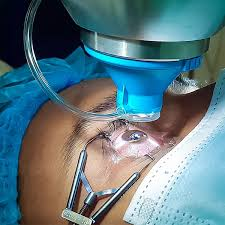
LASIK (Laser-Assisted in Situ Keratomileusis) is a quick, outpatient laser eye procedure that reshapes your cornea to correct refractive errors like myopia (nearsightedness), hyperopia (farsightedness), and astigmatism.
How Does It Work?
Think of your cornea as a camera lens. If it’s out of shape, images appear blurry. LASIK uses lasers to reshape the cornea so light hits the retina just right—giving you clearer vision.
Types of LASIK Procedures Available Today
- Traditional LASIK
- Femto LASIK (Blade-Free)
- Contoura Vision (Topography-Guided)
- SMILE (Minimally invasive)
Each type has unique benefits, and your surgeon will recommend the one that suits your eyes best.
The Ideal LASIK Candidate
Age Criteria for LASIK
You need to be at least 18 years old, but surgeons typically recommend waiting until your mid-20s, when your eye prescription stabilizes. By your 30s, you’ve usually passed this mark—making you a prime candidate.
Stable Vision—Why It Matters
If your prescription has changed significantly in the last 12 months, you might need to wait. LASIK is most effective when your vision is stable.
Eye Health—Corneal Thickness, Dryness, and More
- Corneal Thickness: You need enough tissue for reshaping.
- No Severe Dry Eye: Mild dryness is fine; chronic dry eye may disqualify you.
- No Eye Infections: Your eyes should be infection-free for a few months before surgery.
Why Your 30s Might Be the Best Time for LASIK
- Prescription stability: Most people have a stable prescription by their 30s.
- Fewer risks: No age-related conditions like presbyopia or cataracts yet.
- Career and lifestyle: Whether you’re a coder, teacher, or fitness enthusiast, clear vision improves life quality.
LASIK Candidacy Checklist in Your 30s
✅ Between 20 and 40 years old
✅ Stable prescription for 1 year
✅ No corneal diseases like keratoconus
✅ Not pregnant or breastfeeding
✅ Overall good health (no uncontrolled diabetes or autoimmune diseases)
✅ Not on medications that affect healing
Conditions That May Disqualify You
Keratoconus and Corneal Abnormalities
If your cornea is too thin or irregularly shaped, LASIK could worsen your vision. In such cases, you might be offered an alternative like PRK or ICL.
Autoimmune Disorders
Lupus, rheumatoid arthritis, or Sjögren’s syndrome can affect healing and increase complications.
Pregnancy and Hormonal Changes
Hormones can temporarily change your prescription. It’s best to wait 6 months postpartum or after breastfeeding ends.
Eye Tests That Determine Your Eligibility
Corneal Mapping
This scan checks the shape and thickness of your cornea.
Pachymetry
Measures corneal thickness. Too thin? LASIK may not be safe.
Dry Eye Assessment
This test evaluates tear production and eye moisture—crucial for healing.
What to Expect in a LASIK Evaluation
You’ll undergo a comprehensive eye exam, usually taking 1.5–2 hours.
- Your surgeon will check your prescription, corneal thickness, and pupil size.
- They’ll ask about medical history, medications, and lifestyle.
Alternatives If You Don’t Qualify for LASIK
PRK (Photorefractive Keratectomy)
No flap involved—great for those with thin corneas.
ICL (Implantable Collamer Lens)
A contact lens implanted inside your eye—ideal for high prescriptions.
Refractive Lens Exchange
Mostly for people in their 40s+, but can be considered in special cases.
Pros and Cons of LASIK in Your 30s
Pros:
- Long-lasting results
- Low risk of side effects
- No more glasses or lenses
Cons:
- You may need reading glasses in your 40s (presbyopia)
- Not suitable for everyone
- Temporary dryness or halos at night
Real Stories: People Who Had LASIK in Their 30s
“I’m a mom of two, and waking up without reaching for my glasses has been life-changing.”
“As a software engineer, LASIK freed me from dry, itchy contacts during long screen hours.”
Preparing for LASIK in Your 30s
- Stop wearing contact lenses 1–2 weeks before your consultation.
- Avoid makeup and moisturizers near the eyes on surgery day.
- Arrange for someone to drive you home post-surgery.
Cost and Financing Options
Average Cost in India (as of 2025):
| LASIK Type | Cost (INR) |
|---|---|
| Conventional LASIK | ₹25,000–₹40,000 |
| Femto LASIK | ₹50,000–₹70,000 |
| Contoura Vision | ₹65,000–₹95,000 |
| SMILE | ₹75,000–₹1,00,000 |
Financing Options:
- EMI with 0% interest at many clinics
- Insurance (not usually covered unless for medical necessity)
- Use Section 80D tax benefits if part of a health package
Recovery and Life After LASIK
- Downtime: 2–3 days
- Complete healing: 1–3 months
- Restrictions: Avoid swimming, dusty areas, and eye rubbing for a few weeks
Final Thoughts: Should You Go for It in Your 30s?
If you’re in your 30s and meet the basic criteria, LASIK could be a game-changer. You’re likely at the perfect age with fewer risks and higher rewards. Just make sure to get a thorough consultation with a trusted refractive surgeon.
FAQs:
1. Is LASIK permanent in your 30s?
Yes, the correction is permanent, but age-related changes like presbyopia can still occur later.
2. Can LASIK worsen vision over time?
Not typically. If your vision regresses, enhancement surgeries are an option.
3. What’s the risk of LASIK failure?
Less than 1%. Choosing an experienced surgeon minimizes risk.
4. Is LASIK painful?
Not at all. Most patients only feel mild pressure and temporary dryness.
5. Can I get LASIK after having kids?
Yes, but wait until your hormones stabilize—usually 6 months after childbirth or breastfeeding.