

Imagine waking up and seeing the world in crisp detail—no searching for glasses, no foggy contact lenses, and no more “I can’t read that” moments. That’s the reality for over 95% of patients who undergo modern best laser eye surgery in 2026, with the majority achieving 20/20 or better vision. But here’s the key: there is no single best laser eye surgery for everyone. The ideal procedure depends on your corneal thickness, prescription, lifestyle, and eye health.
This comprehensive guide cuts through the marketing hype and breaks down the 2026 gold‑standard options for the best laser eye surgery: LASIK, Femto‑LASIK, ReLEx SMILE, SMILE Pro, and the new flapless SILK procedure. You’ll also learn how Contoura Vision mapping boosts precision and why India’s top surgeons now favor flap‑sparing, AI‑driven platforms when offering the best laser eye surgery in 2026.
1. Why Laser Eye Surgery Is Safer and More Effective in 2026
Refractive surgery has evolved from early “standard LASIK” to AI‑driven, topography‑guided, bladeless platforms that minimize side effects and maximize visual quality. Today’s technologies use:
- High‑resolution corneal mapping and wavefront‑guided lasers to treat high‑order aberrations beyond simple myopia and astigmatism.
- Femtosecond lasers and AI robotics to create ultra‑thin, precise incisions without blades.
- Flap‑sparing or flapless techniques (SMILE, SMILE Pro, SILK) that reduce dry eye, flap‑related complications, and biomechanical weakening of the cornea.
Multiple studies show that 95–98% of patients achieve 20/40 or better vision (driving standard), with over 90% at 20/20 or better on modern platforms. Dry eye remains the most common side effect, but it is usually mild and temporary, especially with newer flap‑sparing techniques.

2. Types of Laser Eye Surgery in 2026
2.1. LASIK (Laser‑Assisted In Situ Keratomileusis)
Traditional LASIK reshapes the cornea using two steps:
- Create a thin, hinged corneal flap with a microkeratome or femtosecond laser.
- Use an excimer laser to correct the curvature under the flap.
Pros:
- Fast visual recovery (often within 24 hours).
- Treats myopia, hyperopia, and astigmatism across a wide range.
Cons:
- Flap‑related risks: dislocation, wrinkling, or dry eye in some patients.
- Requires adequate corneal thickness for safe flap creation.
Best for: Patients with normal or thick corneas, stable prescriptions, and no prior eye trauma.
2.2. Femto‑LASIK (Bladeless LASIK)
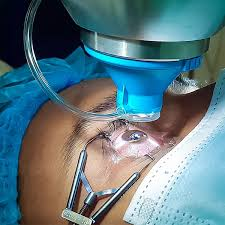
Femto‑LASIK replaces the mechanical microkeratome with a femtosecond laser to create the flap, improving precision and reducing flap complications.
Pros:
- More uniform flap thickness and smoother interface.
- Slightly lower risk of dry eye than traditional LASIK because cuts are more controlled.
Cons:
- Still carries flap‑related risks, though rarer.
- Not ideal for very thin corneas or high‑risk sports.
Best for: Active professionals and athletes who want fast recovery with reduced flap risk and still have sufficient corneal reserve.
2.3. ReLEx SMILE (Small Incision Lenticule Extraction)
SMILE is a flap‑less, minimally invasive technique that uses a femtosecond laser to create a small lenticule inside the cornea, which is then removed through a tiny incision.
Pros:
- No flap, so no flap‑related complications (dislocation, wrinkling, etc.).
- Less disruption to corneal nerves, leading to lower dry eye risk and faster comfort.
- Excellent for mild to moderate myopia and astigmatism.
Cons:
- Limited suitability for high hyperopia or extreme prescriptions.
- Requires specialized training and equipment at the center.
Best for: Patients with thin corneas, dry eye tendencies, or high‑risk lifestyles (contact sports, frequent travel, dusty environments).
2.4. SMILE Pro – AI‑Driven Flapless Surgery
SMILE Pro is the 2026 evolution of SMILE, integrating AI‑guided robotics and real‑time imaging to optimize the lenticule extraction and incision geometry.
Key Features:
- 100% bladeless and flapless, with an incision of less than 6 mm.
- FDA‑approved, with 9‑second laser correction and minimal downtime.
- Designed to reduce dry eye symptoms and improve night‑vision quality.
Best for: Patients seeking maximum safety, minimal dry eye, and rapid recovery with modern, AI‑enhanced technology.
2.5. SILK – The New Flapless Alternative
SILK (Smart Intact Lenticule Keratomileusis) is a new flapless, surface‑based procedure that reshapes the cornea without creating a hinged flap, similar to advanced PRK but with smoother ablation and optimized recovery.
Pros:
- No flap, so no flap‑related complications.
- Highly stable long‑term results, with over 95% of patients achieving 20/20 or better vision.
- Excellent contrast and color perception, with less night‑time glare and halos.
Cons:
- Slightly longer recovery than LASIK (days to a week of blurriness).
- Requires strict post‑op care (eye drops, protection, and follow‑ups).
Best for: Patients with very thin corneas, prior corneal issues, or those who want maximum biomechanical safety and are willing to trade a little recovery time for long‑term stability.
3. What Makes It the “Best” Laser Eye Surgery for You?
Surgeons in 2026 now evaluate procedures based on three core criteria: recovery speed, precision (especially with Contoura Vision), and biomechanical safety (especially for thin corneas).
3.1. Recovery Time Comparison
Fastest: LASIK / Femto‑LASIK.
Most Comfort‑Oriented: SMILE / SMILE Pro.
Most Stable Long‑Term: SILK / PRK‑based options.
3.2. Precision: Enter Contoura Vision
Contoura Vision is a topography‑guided LASIK platform that uses a detailed 22,000‑point map of your cornea to correct not just your prescription, but also high‑order aberrations that standard LASIK cannot address.
Benefits:
- Sharper contrast and night‑vision (less glare, halos, and starbursts).
- Up to two‑thirds of patients achieve better than 20/20 visual acuity.
- Especially useful for high‑end users (pilots, surgeons, gamers, photographers) who demand maximum optical quality.
Best for: Patients with normal or thick corneas, stable prescriptions, and who are willing to pay a premium for optimal visual quality.
3.3. Suitability for Thin Corneas
Thinner corneas limit your options because flap‑based LASIK removes more tissue and weakens the cornea slightly. Surgeons in 2026 now favor flapless or flap‑sparing techniques for thin corneas:
- SMILE / SMILE Pro: Preferred for mild to moderate myopia with thin corneas.
- SILK / PRK‑like: Ideal if corneal thickness is borderline or there are prior corneal irregularities.
If you have borderline corneal thickness, ask your surgeon to compare SMILE vs SILK vs Contoura using topography and biomechanical testing.
4. Are You a Good Candidate? (Eligibility Guidelines)
4.1. Key Eligibility Criteria
Most reputable surgeons in India follow guidelines similar to international standards:
- Age: Generally 20–40 years old, with stable vision for at least 12 months.
- Refractive Error:
- Mild to moderate myopia, hyperopia, or astigmatism (up to about -10 D myopia and +5–6 D hyperopia, depending on corneal thickness).
- Corneal Thickness: At least 480–500 microns after surgery (varies by centre and technology).
- Eye Health: No active keratoconus, severe dry eye, or uncontrolled eye diseases.
- General Health: No uncontrolled diabetes, autoimmune diseases, or pregnancy (temporary deferment).
4.2. Who Should Avoid Surgery?
- Patients with unstable prescriptions (still changing yearly).
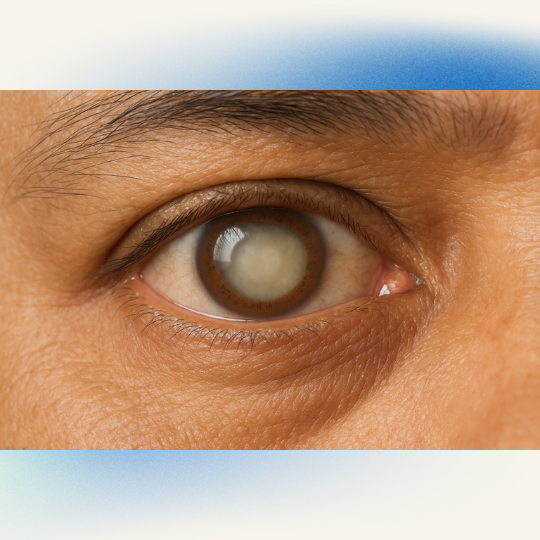
- Those with severe dry eye, glaucoma, cataracts, or advanced macular disease.
- Pregnant or breastfeeding women (vision changes may revert post‑pregnancy).
- Individuals in high‑impact sports without protective eyewear protocols.
If you’re in Bengaluru or nearby, search for “top laser eye surgeon near me” and prioritize clinics with FDA‑approved, topography‑guided platforms (Contoura, SMILE Pro, SILK) and pre‑testing for dry eye and corneal biomechanics.
5. Costs of Laser Eye Surgery in India (2026)
Prices in 2026 vary widely by city, technology, and surgeon experience. Below are approximate per‑eye ranges (INR) based on current 2026 data:
| Procedure | Cost Range (Per Eye, ₹) | Notes |
|---|---|---|
| Standard LASIK | ₹25,000 – ₹70,000 | Basic package, older platforms |
| Femto‑LASIK | ₹40,000 – ₹90,000 | Bladeless, slightly pricier |
| Contoura Vision | ₹55,000 – ₹1,30,000 | Topography‑guided, premium |
| SMILE | ₹90,000 – ₹1,60,000 | Flap‑less, advanced |
| SMILE Pro | ₹1,00,000 – ₹1,80,000 | AI‑driven, cutting‑edge |
| SILK / PRK‑like | ₹40,000 – ₹1,00,000 | Flapless, varies by centre |
Note:
- Many centres offer “all‑in” packages covering pre‑testing, surgery, and follow‑ups.
- Discounts and EMI are common during festive seasons or loyalty programs.
6. Risks and Side Effects (2026 Evidence)
No surgery is risk‑free, but modern laser eye surgery is very safe when performed by experienced surgeons on suitable candidates.
6.1. Common Side Effects
- Dry Eye: The most common complication, affecting 36–75% of patients in early recovery, but most improve within months.
- Halos and Glare: Especially at night, more common with larger pupils and older LASIK platforms; reduced with Contoura and SMILE‑type surgeries.
- Fluctuating Vision: Blurriness for a few days to weeks, especially after LASIK and SILK.
6.2. Rare But Serious Risks
- Corneal Ectasia (keratoconus‑like thinning): Rare but serious; prevented by proper selection and corneal thickness screening.
- Infection or inflammation: <1% with modern sterile protocols.
- Over‑ or under‑correction: Usually corrected with enhancement or glasses/contacts.
Surgeons now use pre‑op dry‑eye screening, corneal biomechanical testing, and topography‑guided planning to minimize these risks.
7. How to Choose the Best Laser Eye Surgeon (5 Key Factors)
The technology matters, but the surgeon’s experience and judgment matter more. Look for these five factors:
- Refractive‑Specialized Surgeon:
- Prefer a refractive‑only or cornea‑focused surgeon with hundreds of SMILE/Contoura cases.
- Advanced Technology:
- Ask for FDA‑approved platforms (e.g., Contoura Vision, SMILE Pro, SILK, or similar).
- Pre‑Testing & Customization:
- Ensure topography, wavefront, and dry‑eye testing before surgery.
- Transparent Pricing & Follow‑Up:
- No hidden costs, with clear inclusion of follow‑ups and enhancements.
- Local Reputations & Reviews:
- Search “top laser eye surgeon near me” and check Google reviews, published outcomes, and patient testimonials.
Conclusion
Choosing the “best” laser eye surgery in 2026 comes down to matching your unique eye profile—corneal thickness, prescription, lifestyle, and risk tolerance—with the most advanced, safest technology and an experienced refractive surgeon. Whether it’s LASIK, Femto‑LASIK, Contoura Vision, ReLEx SMILE, SMILE Pro, or the new flapless SILK procedure, each option offers high success rates and life‑changing freedom from glasses and contacts when performed correctly.
If you’re in Bengaluru or nearby, the next practical step is to search for “top laser eye surgeon near me”, then prioritize clinics that offer FDA‑approved, topography‑guided platforms, comprehensive pre‑testing for dry eye and biomechanics, and transparent outcomes data. By focusing on safety, advanced technology, and individual suitability, you can confidently choose the best laser eye surgery for you in 2026.
Author Details:
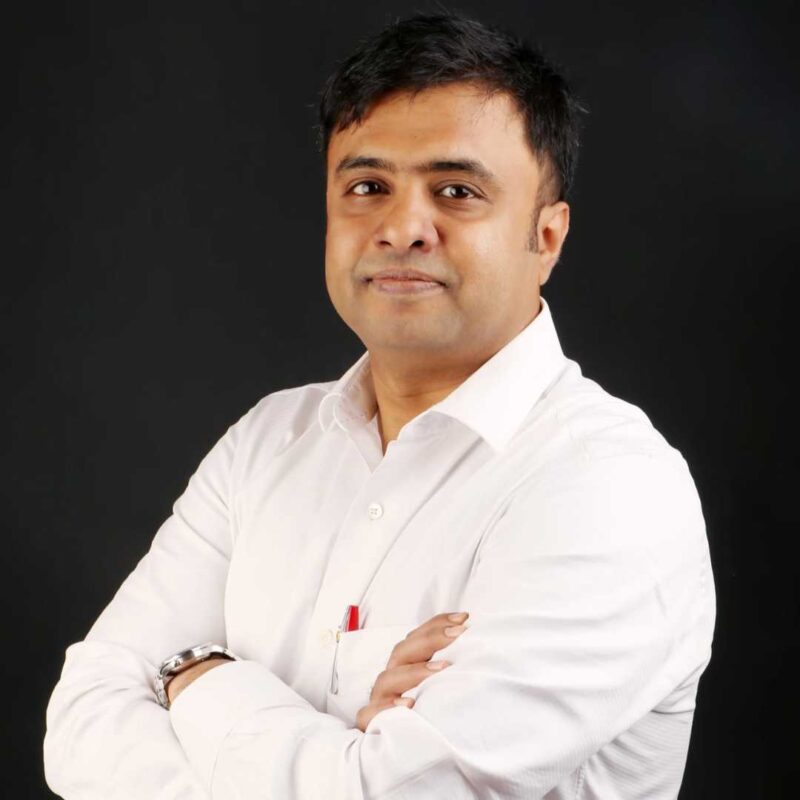
Dr. Sushruth Appajigowda holds a prominent position as a Cornea, Cataract, Glaucoma, and LASIK Surgeon in Bangalore. He serves as the chief Cataract and Refractive surgeon at Vijaya Nethralaya Eye Hospital, Nagarbhavi Bangalore. Renowned as one of the finest LASIK surgeons nationwide, he brings with him over 12+ years of experience across multiple LASIK platforms, including ZEISS, ALCON, SCHWIND, AMO, and Bausch and Lomb. Having successfully conducted over 5000 LASIK procedures, Dr. Sushruth holds the title of a Certified Refractive Surgeon and a Fellow of the All India Collegium Of Ophthalmology. Furthermore, he stands as a distinguished speaker at various National and International Forums, using his expertise to guide you in selecting the most suitable procedure based on your health requirements.
http://vijayanethralaya.com/link-in-bio/
8. FAQs:
8.1. Is Laser Eye Surgery Painful?
Most patients feel little to no pain during the procedure. Numbing eye drops are used, with mild pressure or discomfort for a few seconds. Post‑op discomfort is usually mild and short‑lived (1–3 days).
8.2. Is It Permanent?
Results are highly stable for most adults, but presbyopia (age‑related reading‑glasses need) may still develop after 40–45. Some patients may need minor enhancements if their vision changes later.
8.3. How Long Is Downtime?
- LASIK / Femto‑LASIK: Often 1–2 days off work.
- SMILE / SMILE Pro: 2–3 days.
- SILK / PRK‑like: 5–7 days of reduced productivity.
8.4. Can I Get Surgery If My Eyes Are Too Weak?
“Too weak” usually means thin corneas or unstable prescriptions. In such cases, SMILE, SMILE Pro, or SILK may still be options, but a detailed pre‑test is essential.
8.5. Which Is Better: SMILE vs LASIK vs SILK?
There is no universal winner.
- LASIK: Best for fast recovery and wide prescription range with normal corneas.
- SMILE / SMILE Pro: Best for thin corneas, athletes, and dry‑eye‑prone patients.
- SILK: Best for **maximum biomechan