
It revolutionizes treatment for serious eye conditions that can cause vision loss. If you or someone you know has age-related macular degeneration (AMD) or diabetic macular edema (DME), you’ve probably already heard about it. But what exactly is it? Let’s break it down in simple terms.
Introduction to Lucentis:
It (generic name: Ranibizumab) is an FDA-approved injection designed to treat certain retinal disorders. It works by targeting abnormal blood vessels in the eye that leak fluid or blood, damaging the retina. By blocking this process, it helps preserve vision and, in many cases, improves it.
Why Is Lucentis Important in Eye Care?
Eye diseases like AMD and DME are leading causes of blindness in adults over 50. It is a game-changer because it directly targets the cause of vision loss rather than just managing symptoms.

Understanding Lucentis:
What Is Lucentis Used For?
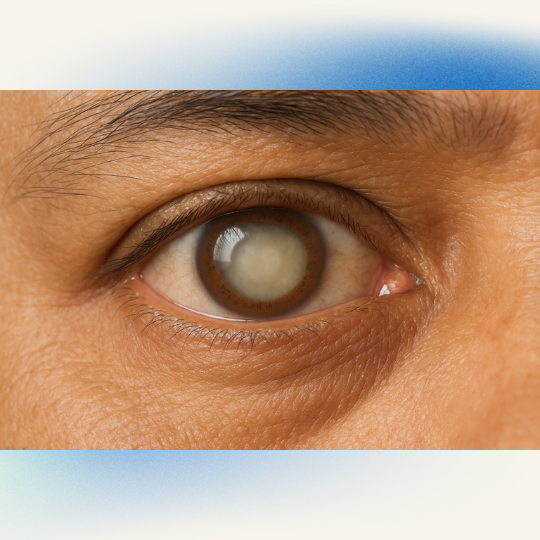
Doctors primarily prescribe Lucentis to treat conditions where abnormal blood vessels grow under the retina and leak, causing vision distortion or blindness.
Active Ingredient in Lucentis:
The main ingredient in Lucentis is ranibizumab, a humanized monoclonal antibody fragment (Fab). It inhibits vascular endothelial growth factor A (VEGF-A), a protein responsible for abnormal blood vessel growth.
How Lucentis Works (Mechanism of Action):
Imagine VEGF-A as a switch that tells your eyes to grow unwanted blood vessels. It turns off that switch, preventing damage and giving your retina a chance to heal.
Conditions Treated by Lucentis:
Age-Related Macular Degeneration (AMD)
AMD causes damage to the macula, the part of your retina responsible for sharp vision. It helps reduce fluid buildup and slows disease progression.
Diabetic Macular Edema (DME)
Diabetes can cause swelling in the retina due to leaking blood vessels.Itreduces this swelling, improving visual clarity.
Retinal Vein Occlusion (RVO)
When blood flow in the veins of the retina is blocked, it can cause fluid leakage and swelling. It helps manage these effects.
Myopic Choroidal Neovascularization (mCNV)
In people with high myopia (severe nearsightedness), It can stop the abnormal growth of blood vessels that threaten vision.
How Is Lucentis Administered?
Intravitreal Injection Process
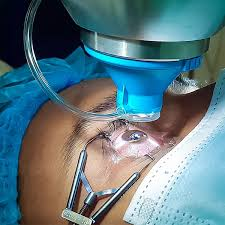
It is given as an injection directly into the vitreous (gel-like fluid) of the eye. Don’t worry—it’s a quick procedure done under local anesthesia.
Treatment Frequency and Duration
Patients usually receive injections every 4–6 weeks, depending on their condition and response to treatment.
What to Expect During the Procedure
The eye is numbed, cleaned, and then injected with a tiny needle. Most patients report feeling pressure rather than pain.

Benefits of Lucentis:
Vision Improvement and Maintenance
Many patients see noticeable improvement in vision after just a few doses.
Slowing Disease Progression
It doesn’t just improve vision; it also prevents further vision loss.
Quality of Life Enhancement
Clearer vision means better independence and a more active lifestyle.
Possible Side Effects of Lucentis:
Common Side Effects
- Redness or irritation in the eye
- Increased tear production
- Small floaters
Serious Adverse Effects
- Eye infection
- Retinal detachment
- Sudden vision changes
When to Seek Medical Attention
If you experience severe pain, sudden vision loss, or swelling, see your doctor immediately.
Lucentis vs. Other Eye Injections:
Lucentis vs Avastin
While Avastin is a cheaper alternative, It is specifically formulated for eye conditions, making it a safer choice in some cases.
Lucentis vs Eylea
Eylea is another FDA-approved eye injection. The choice between Lucentis and Eylea depends on the patient’s condition and how frequently they can visit for injections.
Which Option Is Right for You?
Only a retinal specialist can determine which treatment best suits your eye health.
Cost of Lucentis:
Price of Lucentis Worldwide
It is relatively expensive, with prices varying from $1,000 to $2,000 per injection in the U.S.
Lucentis Cost in India
In India,It costs between ₹18,000 and ₹25,000 per injection, depending on the hospital and city.
Insurance and Financial Assistance
Most insurance companies cover Lucentis, and there are patient assistance programs to help manage costs.
Who Should Avoid Lucentis?
Contraindications
- People with active eye infections
- Patients allergic to Ranibizumab
Precautions Before Use
Discuss your medical history, including recent strokes or blood clots, with your doctor.
Conclusion:
It is a powerful weapon in the fight against vision loss caused by retinal diseases. While it’s not a cure, it can significantly improve and maintain vision when used under expert guidance. If you’re facing eye problems like AMD or DME, talk to your ophthalmologist about whether it is the right option for you.
Author Details:
Dr. Sushruth Appajigowda holds a prominent position as a cornea, cataract, glaucoma, and LASIK surgeon in Bangalore. He serves as the chief cataract and refractive surgeon at Vijaya Nethralaya Eye Hospital, Nagarbhavi, Bangalore. Renowned as one of the finest LASIK surgeons nationwide, he brings with him over 12+ years of experience across multiple LASIK platforms, including ZEISS, ALCON, SCHWIND, AMO, and Bausch and Lomb. Having successfully conducted over 5000 LASIK procedures, Dr. Sushruth holds the title of a Certified Refractive Surgeon and a Fellow of the All India Collegium of Ophthalmology. Furthermore, he stands as a distinguished speaker at various national and international forums, using his expertise to guide you in selecting the most suitable procedure based on your health requirements.

http://vijayanethralaya.com/link-in-bio/
FAQs About Lucentis:
1. Is Lucentis painful?
Most patients feel mild pressure but not pain due to numbing drops.
2. How soon will I see results?
Some patients notice improvement within weeks, but it may take several injections for optimal results.
3. Can Lucentis cure AMD?
No, but it effectively controls symptoms and slows progression.
4. How long will I need Lucentis?
Treatment duration varies based on individual response, often lasting months or years.
5. Is Lucentis safe?
Yes, when administered by a qualified retinal specialist. Side effects are rare but should be monitored.