
Introduction to LASIK Eye Surgery
Laser vision correction has transformed the way people experience life without glasses or contact lenses. Among these procedures, LASIK eye surgery stands as one of the most popular and effective. Since its introduction in the 1990s, millions of people worldwide have benefited from clearer vision and newfound freedom from corrective eyewear.
But did you know that LASIK isn’t just a single procedure? There are different types of LASIK eye surgery, each designed to meet specific vision needs and improve precision. Choosing the right one depends on your eye health, corneal shape, lifestyle, and budget.
In this guide, we’ll break down the various LASIK techniques, their benefits, risks, and how to decide which option might suit you best.
Understanding the Basics of Laser Vision Correction
What is LASIK?
LASIK, short for Laser-Assisted in Situ Keratomileusis, is a surgical procedure that reshapes the cornea—the clear front surface of the eye—to improve how light is focused onto the retina. This helps correct nearsightedness (myopia), farsightedness (hyperopia), and astigmatism.
Why LASIK Has Become Popular
LASIK gained popularity because it offers:
- Quick recovery times (most patients see improvement within 24–48 hours).
- Minimal discomfort compared to older methods.
- Long-term results with a high success rate (over 95% of patients achieve 20/25 vision or better).
With advancements in technology, today’s LASIK procedures are safer and more precise than ever before.
Different Types of LASIK Eye Surgery
When patients hear the word “LASIK,” they often think of just one standard procedure. However, several advanced forms of LASIK exist today, tailored to specific vision needs. Let’s explore each one in detail.
Conventional LASIK (Standard LASIK)
This is the most traditional form of LASIK, where a microkeratome blade creates a thin flap in the cornea. Then, an excimer laser reshapes the underlying tissue. While effective, it’s less precise than newer techniques.
Wavefront-Guided LASIK (Custom LASIK)
Wavefront technology maps the eye’s surface in 3D, identifying even the tiniest imperfections. Surgeons then use this data to customize the laser treatment. This reduces side effects like halos and glare at night.
Bladeless LASIK (All-Laser LASIK)
Instead of a blade, a femtosecond laser creates the corneal flap. This makes the procedure safer and more predictable, reducing flap-related complications.
Topography-Guided LASIK
This advanced procedure uses corneal mapping technology to detect irregularities in corneal shape. It’s especially useful for patients with uneven corneas or previous surgery complications.
Contoura Vision LASIK
A next-generation technique that combines wavefront and topography mapping, Contoura Vision provides highly customized correction, offering clearer, sharper, and more natural vision.
Epi-LASIK (Epithelial LASIK)
A less invasive procedure where the flap is created only on the epithelium (outermost corneal layer). It’s ideal for patients with thin corneas or those unsuitable for traditional LASIK.

Comparing Different LASIK Procedures
With so many options available, it’s natural to wonder which LASIK procedure might be the best for you. Each type has its own strengths and limitations.
Pros and Cons of Each Type
| Type of LASIK | Pros | Cons |
|---|---|---|
| Conventional LASIK | Widely available, cost-effective | Less precise, higher risk of glare/halos |
| Wavefront-Guided LASIK | Customized, reduces night vision issues | Slightly higher cost |
| Bladeless LASIK | Safer flap creation, fewer complications | More expensive than standard LASIK |
| Topography-Guided LASIK | Corrects irregular corneal shapes | Limited availability |
| Contoura Vision LASIK | Highly precise, sharper vision | Premium cost |
| Epi-LASIK | Suitable for thin corneas | Longer recovery, more discomfort |
Which Procedure Offers the Best Outcomes?
For most patients, Wavefront-Guided or Contoura Vision LASIK delivers the best results because of their customization. However, the right choice depends on your eye health, budget, and surgeon’s expertise.
Who is a Good Candidate for LASIK?
Not everyone is suitable for LASIK, which is why pre-surgery screening is essential.
Eligibility Criteria
- Age 18 or older (ideally 21 when prescription stabilizes)
- Stable vision for at least 12 months
- Healthy corneas with sufficient thickness
- No severe dry eye syndrome or eye infections
Factors That May Affect Suitability
- Pregnancy or breastfeeding
- Autoimmune disorders
- History of eye injuries
- Very high prescriptions (sometimes better treated with alternatives like ICL)
Benefits of LASIK Surgery
Choosing LASIK can transform daily life in multiple ways.
Improved Vision and Lifestyle
- Freedom from glasses and contact lenses
- Enhanced participation in sports and outdoor activities
- Greater convenience in daily routines
Quick Recovery and Long-Term Results
Most patients return to work in 1–2 days after surgery. With proper care, results often last for decades, with only minor vision changes due to natural aging.
Risks and Potential Side Effects of LASIK
Although LASIK is safe, no surgery is risk-free.
Short-Term Complications
- Temporary dryness
- Light sensitivity
- Halos or glare at night
Long-Term Considerations
- Rare cases of under-correction or over-correction
- Regression of vision (may require enhancement surgery)
- Persistent dry eyes in some patients
Alternatives to LASIK Eye Surgery
If LASIK isn’t the right fit, there are other effective vision correction procedures.
PRK (Photorefractive Keratectomy)
An older but reliable option, PRK reshapes the cornea without creating a flap. Recovery is slower but effective for patients with thin corneas.
SMILE (Small Incision Lenticule Extraction)
A flapless procedure using a femtosecond laser. It’s minimally invasive and has fewer side effects, especially for dry eye patients.
Implantable Contact Lenses (ICL)
Instead of reshaping the cornea, ICL involves placing a corrective lens inside the eye. It’s ideal for patients with very high prescriptions or thin corneas.
Cost of Different LASIK Procedures
Factors That Influence Cost
- Type of LASIK chosen
- Clinic reputation and location
- Surgeon’s experience
- Pre- and post-surgery care packages
Average Price Range
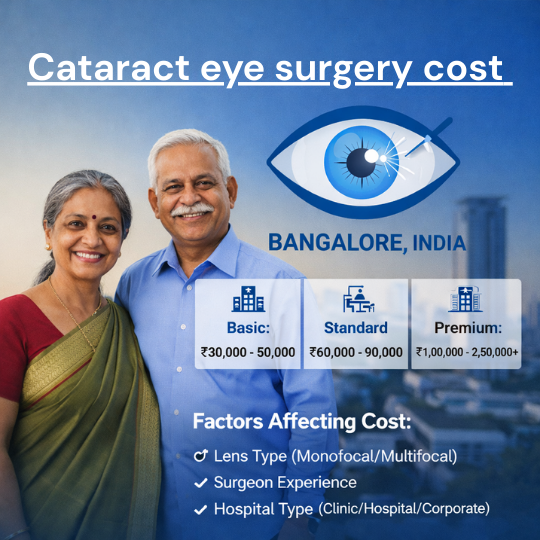
On average, LASIK costs between $2,000–$3,500 per eye. Advanced options like Contoura Vision LASIK can be more expensive.
💡 Tip: Beware of very low-cost advertisements—they may exclude follow-up visits or use outdated technology.
Preparing for LASIK Eye Surgery
Pre-Surgery Consultation
Your ophthalmologist will:
- Check corneal thickness
- Measure pupil size
- Map the corneal surface
- Review your eye health history
What to Expect on the Day of Surgery
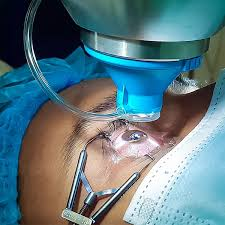
- The procedure takes 15–30 minutes
- Numbing drops prevent pain
- You’ll need someone to drive you home afterward
Recovery After LASIK Surgery
Post-Operative Care
- Use prescribed eye drops to prevent infection and dryness
- Avoid rubbing your eyes for at least a week
- Wear protective eyewear if recommended
Tips for Faster Healing
- Rest your eyes frequently
- Avoid swimming pools and hot tubs for 2 weeks
- Follow up with your surgeon regularly
Conclusion: Choosing the Right LASIK for You
LASIK eye surgery continues to be a life-changing option for millions worldwide. With multiple techniques available—ranging from conventional LASIK to advanced Contoura Vision—there’s a solution for nearly every eligible patient.
The best choice depends on your individual eye condition, budget, and surgeon’s recommendation. Always seek treatment from a reputable eye care center and undergo a thorough consultation before making your decision.
Frequently Asked Questions About LASIK Eye Surgery
1. Is LASIK painful?
No. Most patients feel only mild pressure. Numbing drops make the procedure virtually painless.
2. How long does LASIK last?
Results are long-lasting. Some people may need reading glasses later in life due to natural aging.
3. Can LASIK fix astigmatism?
Yes. Modern LASIK procedures can correct astigmatism along with nearsightedness and farsightedness.
4. How soon can I drive after LASIK?
Most patients can safely drive within 24–48 hours, once cleared by their doctor.
5. Are there age limits for LASIK?
Ideal candidates are 18–40 years old, but older patients may still qualify depending on eye health.
6. Is LASIK covered by insurance?
Generally, no. LASIK is considered an elective surgery, but some clinics offer financing options.