
A squint eye, medically known as strabismus, affects millions of children and adults worldwide. It occurs when both eyes fail to align properly and point in different directions. One eye may focus straight ahead while the other turns inward, outward, upward, or downward. For many people, this condition affects not only appearance but also depth perception, confidence, reading ability, and overall visual comfort. The encouraging news is that, in many cases, squint eye correction exercises can help improve eye coordination, strengthen eye muscles, and support better binocular vision.
If you or someone close to you is looking for practical ways to manage eye misalignment, this comprehensive guide explores everything you need to know—from causes and science-backed therapies to the most effective eye exercises that may support correction.
Understanding Squint Eye
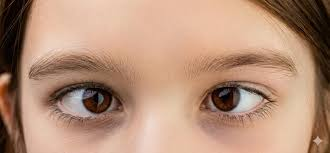
What Is a Squint Eye?
A squint eye happens when the six muscles controlling eye movement fail to work in perfect coordination. Ideally, both eyes should move together and focus on the same object at the same time. When coordination breaks down, one eye may drift away from the target.
This condition may appear constantly or intermittently. Some individuals notice it only when tired, stressed, or focusing on close objects for extended periods. Others experience continuous misalignment from childhood.
Squint eye can affect:
- Visual clarity
- Depth perception
- Hand-eye coordination
- Reading efficiency
- Self-confidence in social settings
According to the American Association for Pediatric Ophthalmology and Strabismus, approximately 4% of children develop some form of strabismus.
Early identification and treatment often lead to better outcomes, but adults can also benefit from targeted correction strategies.
Common Types of Squint Eye
Esotropia
Esotropia occurs when one or both eyes turn inward toward the nose. This is one of the most common forms, especially in young children.
Symptoms may include:
- Double vision
- Frequent eye rubbing
- Difficulty focusing on distant objects
- Head tilting
Exotropia
In exotropia, one eye drifts outward, especially during fatigue or daydreaming. It may appear intermittently at first before becoming more frequent.
Hypertropia and Hypotropia
These conditions involve vertical misalignment:
- Hypertropia: One eye turns upward
- Hypotropia: One eye turns downward
Vertical squints may cause severe depth perception issues and frequent headaches.
Why Squint Eyes Develop
Genetic and Developmental Causes
Family history often plays a major role in squint eye development. If parents or siblings have strabismus, the likelihood increases significantly.
Children born prematurely or with low birth weight may also face higher risk.
Other developmental factors include:
- Congenital eye muscle weakness
- Delayed visual development
- Refractive errors such as farsightedness
Neurological and Muscular Factors
The eyes rely on a sophisticated communication network between muscles and the brain. Conditions affecting the nervous system can disrupt this coordination.
Examples include:
- Cerebral palsy
- Stroke
- Brain injury
- Nerve palsy
- Muscle weakness
Adults who suddenly develop a squint should seek immediate medical evaluation.
Lifestyle and Vision Habits
Modern visual habits may worsen existing alignment issues.
Common contributors include:
- Prolonged screen exposure
- Limited outdoor activity
- Poor lighting during reading
- Excessive close-up work
Although these habits may not directly cause strabismus, they can increase visual fatigue and reveal underlying weaknesses.
Can Exercises Really Help Correct Squint Eye?
What Science Says About Vision Therapy
Research suggests that vision therapy and targeted eye exercises can improve binocular vision in selected cases, especially for convergence insufficiency and intermittent exotropia.
A study published in Optometry and Vision Science found that structured vision therapy significantly improved eye coordination in patients with binocular vision disorders.
Eye exercises do not replace medical treatment in every case, but they can become a powerful non-invasive tool.
Who Benefits Most From Eye Exercises
Exercises may be most effective for:
- Children with mild squint
- Adults with intermittent eye drift
- Individuals with convergence insufficiency
- Patients recovering after surgery
- People experiencing digital eye strain
Severe or constant strabismus may require additional interventions.
Best Squint Eye Correction Exercises
Pencil Push-Up Exercise
The pencil push-up remains one of the most recommended exercises for improving eye convergence.
How to perform it:
- Hold a pencil at arm’s length.
- Focus on a letter or symbol on the pencil.
- Slowly move it toward your nose.
- Keep both eyes focused until the image doubles.
- Move it back slowly.
Duration:
- 10–15 repetitions
- Twice daily
This exercise strengthens the eye muscles responsible for inward focusing.
Many patients notice improved reading comfort after several weeks of consistent practice.
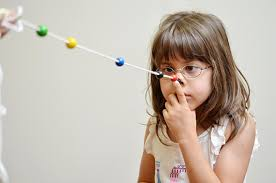
Brock String Exercise
The Brock string is a highly effective vision therapy tool.
How to perform it:
A Brock string contains colored beads placed along a string.
- Secure one end.
- Hold the other end to your nose.
- Focus on each bead individually.
- Observe the crossing “X” pattern created by both eyes.
Benefits:
- Improves binocular coordination
- Enhances depth perception
- Builds visual awareness
Focus Shifting Exercise
This exercise improves flexibility between near and distant focus.
Steps:
- Hold your thumb 10 inches from your face.
- Focus on it for 10 seconds.
- Shift focus to an object across the room.
- Hold for 10 seconds.
- Repeat.
Recommended routine:
- 20 repetitions
- Two sessions daily
This exercise trains eye muscles to transition smoothly.
Eye Tracking Exercise
Tracking exercises improve smooth eye movement.
Instructions:
Use a pen or finger.
Move it:
- Left to right
- Up and down
- Diagonally
- Circularly
Keep your head still.
Perform for:
- 5 minutes daily
This helps strengthen coordination and control.
Barrel Card Exercise
A barrel card is specifically designed for convergence training.
How it works:
The card displays barrel shapes of varying sizes.
Focus on each barrel individually while maintaining a single image.
Benefits:
- Improves fusion
- Enhances near vision coordination
- Supports convergence therapy
Near-Far Viewing Exercise
This simple exercise can be done anywhere.
Steps:
- Look at an object nearby.
- Focus for 15 seconds.
- Shift to a distant object.
- Hold focus for 15 seconds.
Repeat for 5–10 minutes.
This strengthens accommodative flexibility.
Creating an Effective Eye Exercise Routine
Frequency, Duration, and Progress Tracking
Like physical fitness, vision improvement requires consistency.
A practical routine may look like this:
| Exercise | Duration | Frequency |
|---|---|---|
| Pencil Push-Ups | 5 minutes | Twice daily |
| Brock String | 10 minutes | Once daily |
| Focus Shifting | 5 minutes | Twice daily |
| Eye Tracking | 5 minutes | Daily |
| Near-Far Viewing | 10 minutes | Daily |
Tips for success:
- Practice at the same time each day
- Use proper lighting
- Avoid exercising when extremely tired
- Track progress weekly
Visible improvements may appear within 6 to 12 weeks, depending on severity.
Additional Treatments That Complement Eye Exercises
Glasses, Patching, and Vision Therapy
Eye exercises often work best when combined with professional treatment.
Common supportive therapies include:
Prescription Glasses
Correct refractive errors that may contribute to misalignment.
Eye Patching
Used mainly in children with lazy eye.
Professional Vision Therapy
Supervised programs offer personalized progress monitoring.
When Surgery May Be Necessary
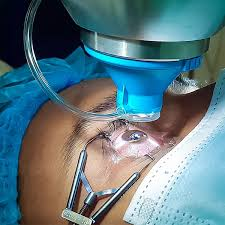
In severe or long-standing cases, surgery may be recommended.
Surgical treatment:
- Adjusts eye muscle position
- Improves alignment
- Often enhances cosmetic appearance
Post-surgical exercises can support long-term stability.
Conclusion
Squint eye correction exercises can play a valuable role in improving eye coordination, strengthening visual muscles, and enhancing binocular vision. While exercises may not completely eliminate every form of strabismus, they often produce meaningful improvements when practiced consistently and combined with professional care.
The key lies in patience, routine, and proper guidance. Just as muscles throughout the body respond to training, the visual system can also adapt, strengthen, and perform better over time. Whether you are a parent helping a child or an adult exploring non-invasive options, these exercises may become an important step toward clearer, more comfortable vision.
Frequently Asked Questions
1. Can squint eye exercises permanently cure strabismus?
Exercises can significantly improve mild to moderate cases, especially intermittent squints. Severe cases may require medical treatment or surgery.
2. How long do eye exercises take to show results?
Many people notice improvements within 6 to 12 weeks of consistent daily practice.
3. Can adults benefit from squint eye correction exercises?
Yes. Adults with binocular vision issues or intermittent eye drift often benefit from vision training.
4. Are eye exercises safe for children?
Yes, when guided by an eye care professional or performed correctly at home.
5. Should I stop exercises if I experience eye strain?
Mild fatigue is normal, but persistent discomfort, headaches, or double vision should be discussed with an eye specialist.