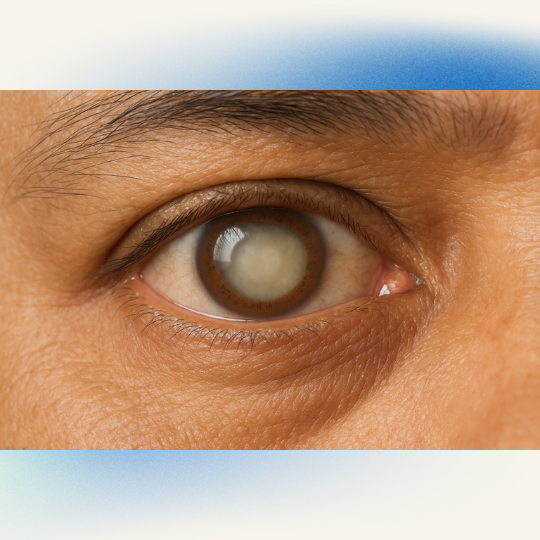

Eye irritation can range from mild discomfort to serious problems that affect daily life. One lesser-known eye condition is called Eye Fishing Syndrome. Even though the name sounds unusual, it is a real eye problem that can cause redness, irritation, swelling, and even damage to the eye if not treated properly.
Eye Fishing Syndrome happens when a person keeps removing mucus or sticky discharge from their eyes using fingers, tissues, cotton buds, or other objects. At first, it may feel like it helps, but repeated touching and cleaning actually irritates the eyes more. This causes the eyes to produce even more mucus, creating a cycle that becomes hard to stop.
Understanding this condition is important for patients, caregivers, and eye specialists. Knowing the signs early and getting the right treatment can help prevent long-term eye problems and keep your eyes healthy.
Understanding Eye Fishing Syndrome
The human eye possesses sophisticated protective mechanisms designed to maintain clarity, lubrication, and defense against environmental irritants. When these systems become disrupted, unusual conditions such as Eye Fishing Syndrome may develop.
This condition occupies an interesting intersection between ophthalmology and behavioral medicine. While the symptoms initially appear to stem from simple irritation, the repetitive manual removal of ocular mucus creates a cycle that intensifies inflammation and mucus production. Over time, patients may unknowingly worsen their symptoms despite their attempts to find relief.
Recognition of Eye Fishing Syndrome has increased in recent years as ophthalmologists better understand how habitual behaviors influence ocular surface disorders. Awareness is crucial because the condition is frequently mistaken for simple dry eye, allergies, or chronic conjunctivitis.
By understanding what Eye Fishing Syndrome is and how it develops, individuals can seek timely intervention and prevent long-term complications.
What Is Eye Fishing Syndrome?
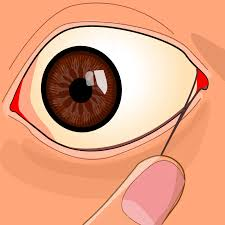
Eye Fishing Syndrome is a repetitive ocular behavior characterized by the manual extraction of mucus strands from the conjunctival surface of the eye. The term “fishing” refers to the act of pulling stringy mucus from the eye, often with fingers or instruments.
This behavior typically begins because mucus accumulation creates a foreign body sensation. Patients may feel as though something is trapped beneath the eyelid, prompting them to remove the material manually. Although this may provide temporary relief, it often triggers additional irritation.
Repeated manipulation damages delicate conjunctival tissues, increasing inflammatory responses. The eye responds by producing even more mucus, creating a self-reinforcing loop. This cycle can continue for weeks, months, or even years if the condition is not recognized.
Eye Fishing Syndrome can affect people of all ages, though it is more commonly identified in individuals with chronic eye irritation or underlying ocular surface disorders.
Origin of the Medical Term
The term Eye Fishing Syndrome was introduced in ophthalmic literature to describe the distinct behavioral pattern associated with mucus extraction. Unlike many ocular conditions named after anatomical changes, this syndrome is named after the characteristic action performed by patients.
The descriptive terminology helps clinicians quickly identify the behavioral component of the disorder. In clinical settings, patients often demonstrate the “fishing” motion when describing their symptoms, making diagnosis easier once the condition is considered.
Medical literature suggests that Eye Fishing Syndrome is frequently underreported because patients may feel embarrassed discussing their habits. Some individuals do not realize their behavior contributes to worsening symptoms.
Today, the term is widely recognized among ophthalmologists and ocular surface specialists, emphasizing the importance of behavioral modification alongside traditional medical treatment.
The Science Behind Eye Fishing Syndrome
Understanding the biological mechanisms of Eye Fishing Syndrome requires examining how the ocular surface normally functions and how repetitive manipulation disrupts this balance.
The eye’s surface is covered by a highly specialized tear film composed of lipid, aqueous, and mucin layers. These layers maintain moisture, protect against infection, and ensure optical clarity. When this system becomes compromised, symptoms such as dryness, burning, and mucus production can occur.
In Eye Fishing Syndrome, physical manipulation further disrupts this delicate environment. Even minor repeated trauma can activate inflammatory pathways, increase goblet cell activity, and stimulate excessive mucus secretion.
Over time, the combination of inflammation and behavioral reinforcement transforms a temporary irritation into a chronic condition.
How the Eye’s Surface Functions Normally
The ocular surface relies on a stable tear film for protection and comfort. This tear film contains proteins, electrolytes, lipids, and mucins that work together to lubricate the eye.
Blinking spreads tears evenly across the cornea and conjunctiva, removing debris and preventing dryness. Specialized cells known as goblet cells produce mucin, which helps tears adhere to the eye’s surface.
Under healthy conditions, mucus production remains balanced. Small amounts of mucus naturally trap dust, allergens, and microorganisms before being cleared away through blinking.
When this system functions properly, individuals rarely notice mucus accumulation or discomfort.
What Changes in Eye Fishing Syndrome
In Eye Fishing Syndrome, repetitive mechanical irritation disrupts normal ocular physiology. Each attempt to remove mucus creates microtrauma on the conjunctival surface.
This trauma triggers inflammatory mediators such as cytokines and histamines. These substances stimulate goblet cells to produce more mucus as part of the eye’s defense response.
The newly produced mucus often feels sticky or stringy, reinforcing the urge to remove it again. This creates a vicious cycle of irritation, inflammation, and mucus overproduction.
Without intervention, chronic inflammation may eventually affect corneal health and visual comfort.
Common Causes of Eye Fishing Syndrome
Eye Fishing Syndrome rarely develops without an underlying trigger. Most cases begin with conditions that produce excess mucus or chronic eye discomfort.
Identifying these root causes is essential for successful treatment. Without addressing the primary issue, behavioral interventions alone may be ineffective.
Chronic Eye Irritation
Persistent exposure to smoke, dust, pollution, and screen-related eye strain can irritate the ocular surface. This irritation often stimulates excess mucus production.
Patients may begin removing mucus manually to relieve discomfort, unknowingly initiating the fishing cycle.
Dry Eye Disease
According to the Tear Film & Ocular Surface Society (TFOS), dry eye affects hundreds of millions worldwide. Reduced tear quality causes friction, inflammation, and mucus formation.
Dry eye remains one of the most common underlying triggers of Eye Fishing Syndrome.
Allergic Conjunctivitis
Seasonal allergies can cause itching, redness, and thick mucus discharge. Patients often rub or manipulate their eyes excessively during allergy flare-ups.
This increases the likelihood of developing fishing behaviors.
Mucus-Producing Eye Disorders
Conditions such as giant papillary conjunctivitis, blepharitis, and chronic conjunctivitis can significantly increase mucus production.
These disorders create the ideal environment for Eye Fishing Syndrome to emerge.
Recognizing the Symptoms
Early recognition greatly improves treatment outcomes. Symptoms often begin subtly before progressing into chronic irritation.
Early Warning Signs
Common early symptoms include:
- Mild eye irritation
- Stringy mucus in the inner corners
- Sensation of debris in the eye
- Occasional redness
- Increased blinking
Patients may notice symptoms are worse in the morning or after screen use.
Progressive Symptoms
As the syndrome progresses, symptoms may include:
- Persistent redness
- Excessive mucus production
- Burning sensation
- Light sensitivity
- Swollen conjunctiva
- Difficulty resisting mucus removal
Behavioral dependency may become a significant component.
Risk Factors Associated With Eye Fishing Syndrome
Certain environmental and behavioral factors increase susceptibility.
Environmental Factors
| Risk Factor | Effect on Eyes |
|---|---|
| Air pollution | Increases irritation |
| Dry climates | Promotes tear evaporation |
| Air conditioning | Reduces humidity |
| Pollen exposure | Triggers allergies |
| Prolonged screen use | Decreases blink rate |
Behavioral and Lifestyle Factors
Individuals with the following habits may face higher risk:
- Frequent eye touching
- Poor contact lens hygiene
- Excessive digital device use
- Chronic eye rubbing
- High-stress lifestyles
Stress can intensify repetitive behaviors, making the condition harder to break.
Diagnosis of Eye Fishing Syndrome
Accurate diagnosis requires both clinical observation and patient history.
Clinical Eye Examination
An ophthalmologist typically examines:
- Conjunctival redness
- Surface irritation
- Mucus strands
- Corneal integrity
- Tear film stability
Observation of patient behavior often provides important clues.
Specialized Diagnostic Tests
Additional tests may include:
- Schirmer test for tear production
- Fluorescein staining for corneal damage
- Tear breakup time
- Allergy evaluation
- Meibomian gland assessment
These tests help identify underlying contributors.
Treatment Options for Eye Fishing Syndrome
Successful treatment combines medical therapy with behavioral intervention.
Medical Management
Treatment may include:
- Preservative-free artificial tears
- Anti-inflammatory eye drops
- Antihistamine drops
- Lubricating ointments
- Prescription immunomodulators
Treating the underlying cause reduces mucus production.
Behavioral Therapy
Behavior modification is essential.
Strategies include:
- Awareness training
- Habit reversal therapy
- Cognitive behavioral techniques
- Keeping hands away from the face
- Using substitute behaviors
Breaking the cycle often requires conscious effort and consistency.
Home Care Strategies
Patients can support recovery by:
- Applying warm compresses
- Maintaining eyelid hygiene
- Increasing indoor humidity
- Taking screen breaks
- Staying hydrated
Small daily habits often produce significant improvements.
Prevention, Recovery, and Long-Term Outlook
Eye Fishing Syndrome is highly treatable when recognized early.
Prevention Strategies
Preventive measures include:
- Managing allergies promptly
- Treating dry eye early
- Avoiding eye rubbing
- Using protective eyewear
- Practicing hand hygiene
Consistency is key.
Prognosis and Recovery Expectations
Most patients experience significant improvement within weeks to months once the cycle is interrupted.
Recovery depends on:
- Severity of inflammation
- Duration of symptoms
- Compliance with treatment
- Underlying ocular conditions
When both the physical irritation and behavioral habit are addressed, long-term outcomes are generally excellent.
Conclusion
Eye Fishing Syndrome may sound uncommon, but it represents a clinically significant ocular condition involving both inflammation and repetitive behavior. What starts as an attempt to remove bothersome mucus can evolve into a chronic cycle of irritation, excessive mucus production, and tissue damage.
Early recognition, accurate diagnosis, and a combination of medical treatment with behavioral modification provide the best outcomes. By understanding the causes, symptoms, and preventive strategies, patients can break the cycle, restore ocular comfort, and protect long-term eye health.
Frequently Asked Questions
1. Is Eye Fishing Syndrome dangerous?
If left untreated, it can cause chronic inflammation, conjunctival damage, and occasionally corneal complications.
2. Can children develop Eye Fishing Syndrome?
Yes, although it is more commonly diagnosed in adults, children with allergies or dry eye may develop similar behaviors.
3. Is Eye Fishing Syndrome related to dry eye?
Yes. Dry eye is one of the most common underlying triggers.
4. Can Eye Fishing Syndrome go away on its own?
It may improve if irritation resolves, but behavioral patterns often require targeted treatment.
5. Should I see an eye doctor for persistent eye mucus?
Yes. Persistent mucus, redness, or eye manipulation should be evaluated by an ophthalmologist.