
Is 20/20 vision a guarantee or a gamble? Here is the honest, data-backed truth about LASIK success rates, long-term results, and safety in 2025.
If you are reading this, you are likely tired. Tired of reaching for glasses the moment you wake up, tired of contact lenses drying out your eyes during a long workday, and tired of the eternal “foggy glasses vs. face mask” battle. You’re considering LASIK, but one big question holds you back: Does it actually work?
In this comprehensive guide, we are cutting through the marketing fluff. We will explore the latest 2024-2025 statistics on LASIK success rates, analyze the risks versus the rewards, and help you understand exactly what to expect.
Understanding the Numbers: What is the Real LASIK Success Rate?
When we talk about “success” in laser eye surgery, we need to define our terms. In the medical world, success isn’t just “perfect” vision; it’s about achieving functional vision that improves your quality of life.
The 2025 Statistics at a Glance
According to the latest data from the Journal of Cataract & Refractive Surgery and global health reports, the numbers are overwhelmingly positive:
- 99% of patients achieve better than 20/40 vision (the legal standard for driving without glasses).
- 95% to 99% of patients achieve 20/20 vision or better.
- 99% is the overall patient satisfaction rate—making it one of the highest-rated elective surgeries in the world.
- Less than 1% (<1%) is the rate of serious complications.
Visual Acuity vs. Patient Satisfaction: Why the Difference?
You might notice a small gap between the percentage of people who get 20/20 vision (95%) and the percentage of people who are satisfied (99%). Why is that?
- Freedom is the goal: Even if a patient ends up with 20/25 vision (slightly less sharp than 20/20), they are often thrilled because they no longer need thick glasses or contacts for daily tasks.
- Realistic Expectations: Patients who understand that LASIK doesn’t stop the natural aging process (like the need for reading glasses after 40) tend to be happier with their results.

Factors That Influence Your Personal Success Rate
Not all eyes are created equal. While the general stats are impressive, your individual success depends on several biological and technological factors.
1. Technology Used (The “Blade vs. Bladeless” Debate)
In 2025, standard LASIK is good, but Femto-LASIK and Contoura Vision are the gold standards.
- Standard LASIK: Uses a microkeratome (blade) to create the corneal flap.
- Bladeless (Femto) LASIK: Uses a laser for the flap, offering higher precision and safety.
- Contoura Vision: Topography-guided LASIK that maps 22,000 unique points on your cornea, often resulting in “super vision” (better than 20/20).
2. Corneal Thickness
LASIK works by reshaping the cornea (removing tissue). If your corneas are naturally thin, removing tissue might be risky. In such cases, surgeons may recommend alternatives like PRK or ICL (Implantable Collamer Lens) to ensure safety.
3. Prescription Stability
Your vision prescription must be stable for at least 12 months before surgery. If your eyes are still changing, the surgery might “work” initially, but your vision could drift again shortly after.
4. Age Factor
- Under 18: Not eligible (eyes are still growing).
- 18 to 40: The “sweet spot” for LASIK.
- Over 40: Success is high, but you must account for presbyopia (age-related farsightedness). LASIK corrects distance vision, but you might still need reading glasses eventually unless you opt for “Monovision” LASIK.
The Risks: Let’s Talk About the <1%
Temporary Side Effects (Common)
These usually resolve within 3 to 6 months:
- Dry Eyes: The most common complaint. The laser disrupts corneal nerves that signal tear production. Lubricating drops are essential during recovery.
- Halos and Glare: You might see starbursts around streetlights at night.
- Light Sensitivity: Common in the first few days post-op.
Rare Complications (Uncommon)
- Flap Issues: Wrinkles or dislocation of the corneal flap (rare with bladeless LASIK).
- Regression: A small percentage of patients (approx. 5%) may see their vision drift back slightly over many years. This can often be fixed with a “touch-up” procedure.
Does LASIK Last Forever? (Long-Term Success)
A common myth is that LASIK “wears off” after 10 years. This is false. The reshaping of your cornea is permanent.
However, your eyes are still human organs.
- Presbyopia: As you age, your natural lens stiffens. This happens to everyone, whether they had LASIK or not. You will likely need reading glasses in your mid-40s or 50s.
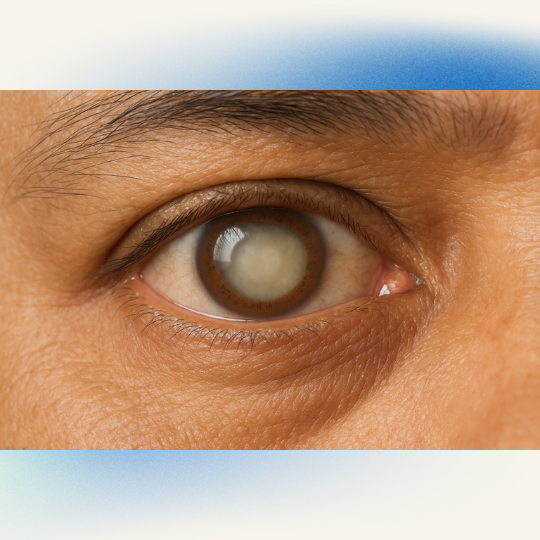
- Cataracts: LASIK does not prevent cataracts (clouding of the lens) in old age. You can still have cataract surgery later in life if needed.
Key Takeaway: The structural change to your eye is permanent, but your eye’s internal aging process continues.
The LASIK Procedure: What Happens on Surgery Day?
Fear of the unknown is the biggest barrier to success. Here is a step-by-step breakdown of a typical procedure at a high-volume center.
- Anesthetic Drops: Numbing drops are applied. You are awake, but you feel no pain.
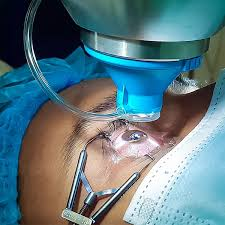
- Flap Creation: A femtosecond laser creates a thin circular flap on the cornea. You might feel slight pressure for 20 seconds.
- Reshaping: The excimer laser reshapes the underlying corneal tissue. This takes just 10 to 60 seconds per eye. You will be asked to stare at a light.
- Flap Repositioning: The surgeon smooths the flap back into place. It bonds naturally without stitches.
Total Time: About 10–15 minutes for both eyes.
Choosing the Right Hospital: Why It Matters
Your eyes are precious. The “discount LASIK” centers you see advertised often cut costs by using older technology or blade-based procedures. For the highest success rate, you need a combination of:
- Expert Surgeons: Look for 10+ years of experience.
- Advanced Tech: Ensure they offer Contoura or Femto-LASIK.
- Comprehensive Screening: A good hospital will turn you away if you aren’t a good candidate.
Spotlight: Vijaya Nethralaya Super Speciality Eye Hospital
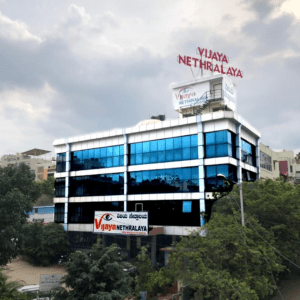
If you are in Bangalore, specifically near Vijayanagar, Vijaya Nethralaya is a premier choice for refractive surgery.
Why Vijaya Nethralaya?
- Experience: Founded by Dr. Sushruth Appaji Gowda, the hospital has over 15 years of legacy in eye care.
- Technology: They utilize state-of-the-art Contoura Vision and Bladeless LASIK technology, ensuring precision customized to your unique eye map.
- Safety First: Their pre-surgery evaluation is rigorous. They don’t just clear you for surgery; they ensure your corneal thickness and health are optimal for long-term success.
- Patient Care: Known for a compassionate, patient-first approach, walking you through every step from consultation to recovery.
Conclusion: Is LASIK Worth It?
The decision to get LASIK is personal, but the data is undeniable. With a 99% safety profile and millions of happy patients worldwide, it remains one of the most effective modern medical miracles.
The key to a high success rate lies in candidacy. Not everyone is right for LASIK. If you have thin corneas or severe dry eye, a responsible surgeon will tell you “no” or offer a safer alternative.
If you are ready to wake up and see the alarm clock clearly, your next step is a consultation.
Frequently Asked Questions
Q: Does LASIK eye surgery hurt? A: No, the procedure itself is painless due to effective numbing drops. You might feel some pressure, but no sharp pain. After the drops wear off (a few hours later), you may feel a gritty sensation, like an eyelash in your eye, which lasts for a day or so.
Q: Can I go blind from LASIK? A: Blindness from LASIK is extremely rare. In fact, you are statistically more likely to get a serious eye infection from wearing contact lenses daily than from LASIK surgery.
Q: How soon can I drive after LASIK? A: Most patients are legally cleared to drive by their follow-up appointment the very next day (24 hours post-op). However, you should avoid long drives or night driving for a few weeks until halos subside.
Q: Is LASIK covered by insurance in India? A: Generally, LASIK is considered a cosmetic/elective procedure and is not covered. However, if your refractive error is high (usually above -7.5 D) or caused by an injury, some insurance plans might cover it. It is best to check with your provider and the hospital desk.
Q: What if I blink during the surgery? A: You can’t “mess it up” by blinking. A device gently holds your eyelids open, and modern lasers have sophisticated eye trackers that follow your eye movements. If you move too much, the laser automatically pauses.