
Understanding Laser Eye Surgery Recovery
Laser eye surgery recovery is a delicate and crucial phase that determines how successful the procedure will be. Whether you underwent LASIK, PRK, or SMILE, the healing journey requires patience, good habits, and careful follow-through with aftercare instructions. While modern laser procedures have impressive success rates, the eye remains a sensitive organ that needs time to rebuild surface layers, stabilize moisture, and adjust to its new focusing ability.
Most patients experience dramatically improved vision within 24 hours, but full stabilization can take weeks or even months. Understanding this process helps you manage expectations and avoid behaviors that slow down healing.
What Happens Immediately After Surgery
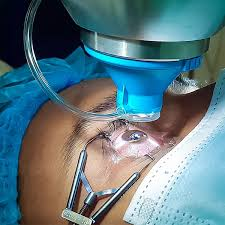
Right after the procedure, your eyes will begin repairing the corneal surface. Your doctor will check your cornea and vision, ensure your flap (for LASIK) is secure, and provide clear aftercare instructions.
During this first hour:
- You may feel stinging, burning, or tearing.
- Your vision may look foggy or like “looking through water.”
- Your eyes may feel unusually sensitive to light.
- You will be asked not to rub your eyes under any circumstances.
You’ll be given protective eye shields, medicated drops, and sometimes mild pain relievers. Many people nap for several hours after surgery, which helps jump-start the recovery process.
Typical Recovery Timeline Explained
Although every patient is unique, most follow a similar progression.
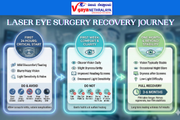
First 24 Hours
This is the most critical time frame.
What you should expect:
- Mild discomfort, scratching sensation, or tearing
- Temporary blurry or hazy vision
- Heightened light sensitivity
- Occasional halos around lights
What you should do:
- Keep your eyes closed as much as possible
- Use medicated drops exactly as prescribed
- Avoid all screens (phone, TV, laptop)
- Wear your protective shields even while napping
- Stay indoors in a dim environment
Keeping your eyes quiet and protected allows the cornea to settle and reduces complications.
First Week
By the first week, most patients feel much more comfortable.
Expect:
- Clearer vision daily
- Slight dryness or gritty feelings
- Improved ability to read, work, or use screens
- Light sensitivity gradually decreasing
Do NOT:
- Rub your eyes
- Use eye makeup
- Participate in intense exercise
- Swim, visit saunas, or use hot tubs
- Be exposed to dusty environments
During this stage, the surface of the eye continues healing, which is why gentle daily habits make a big difference.
One Month and Beyond
By one month, vision is typically stable and sharp, but minor fluctuations may still occur.
You may notice:
- Occasional glare at night
- Dryness after long screen sessions
- Slight difficulty in low-light environments
These symptoms improve as the tear film stabilizes and the corneal nerves regenerate. PRK recovery may take longer since the epithelium regenerates more slowly.
Full recovery for most patients is achieved in 3–6 months.
Key Factors That Affect Laser Eye Surgery Recovery
Healing is not the same for everyone. Several factors can influence how quickly and comfortably your eyes recover.
Environmental Influences
The environment you spend time in plays a significant role.
Dry indoor air
Air conditioning, heaters, and fans reduce moisture levels, worsening dryness.
Bright sunlight
UV rays can irritate healing corneal tissue. Always wear high-quality UV-blocking sunglasses outdoors.
Dust, smoke, and wind
These irritants interfere with healing and increase infection risk.
Screen exposure
Digital devices make you blink less, causing dryness and strain.
Keeping your environment humid, clean, and low in irritants helps maintain comfort and speeds recovery.
Health Conditions That Slow Recovery
Certain health issues may influence healing time.
- Chronic dry eyes
- Diabetes
- Autoimmune diseases
- Thyroid problems
- Hormonal fluctuations
- Allergies
Your doctor will usually screen for these risks before surgery. If any apply to you, strict adherence to aftercare instructions is crucial to avoid setbacks.
Essential Post-Operative Care Steps
Proper aftercare ensures smooth and successful laser eye surgery recovery. These steps protect your cornea, reduce infection risks, and support stable vision improvements.
H3: Using Medicated Eye Drops Properly
You’ll receive a combination of:
- Antibiotic drops
- Anti-inflammatory drops
- Lubricating artificial tears
How to apply drops safely:
- Wash your hands thoroughly.
- Tilt your head back and gently pull down your lower eyelid.
- Hold the bottle above the eye but avoid contact with lashes or skin.
- Apply one drop and close your eye gently for 20–30 seconds.
- Wait at least 5 minutes between different types of drops.
Following the proper schedule prevents infections, inflammation, and discomfort.
How to Reduce Dry Eyes After Surgery
Dryness is the most common side effect after laser eye surgery because the nerves that regulate tear production are temporarily disrupted.
To ease dryness:
- Use preservative-free lubricating drops hourly if needed
- Blink intentionally during screen usage
- Drink 6–8 glasses of water daily
- Use a humidifier at home
- Take omega-3 supplements (after consulting your doctor)
These habits help stabilize the tear film and support corneal comfort.
Sleeping Habits That Speed Up Healing
Sleep is powerful for eye recovery.
Recommendations:
- Wear protective shields for at least one week
- Avoid sleeping face-down or on the side that puts pressure on your eyes
- Keep your pillowcase clean
- Aim for 7–9 hours of sleep each night
Good sleep accelerates cellular repair and improves clarity.
Activities to Avoid for Safe Laser Eye Surgery Recovery
Certain activities can interfere with healing or introduce infections.
Physical Activities You Must Pause
Sweat, impact, and water exposure can be dangerous.
- Gym workouts: pause 3–7 days
- Swimming: avoid 2–4 weeks
- Heavy weightlifting: avoid 1–2 weeks
- Contact sports: avoid 4–6 weeks
Sweat and bacteria can irritate the healing cornea, while impact can displace a LASIK flap.
Screen Time Rules After Surgery
Avoid screens for the first 24 hours. After that, follow the 20-20-20 rule:
Every 20 minutes, look at something 20 feet away for 20 seconds.
This reduces digital eye strain, dryness, and headaches.
When You Can Drive Again
Most people can drive within 24–48 hours, but always wait for official approval during your follow-up appointment. Safety must come first, especially if glare or halos remain noticeable at night.
Nutrition for Faster Healing
Nutrition plays a major role in laser eye surgery recovery. A well-balanced diet supports tissue repair, reduces inflammation, and stabilizes tear production.
Vitamins & Minerals That Support Eye Repair
| Nutrient | Benefit | Food Sources |
|---|---|---|
| Vitamin A | Prevents dryness, boosts tear quality | Carrots, spinach, kale |
| Vitamin C | Speeds tissue repair | Kiwi, lemons, oranges |
| Vitamin E | Protects cells from oxidative stress | Seeds, almonds |
| Omega-3 fatty acids | Reduces inflammation | Salmon, chia seeds |
| Zinc | Supports corneal healing | Beans, whole grains |
Eating a nutrient-rich diet helps your eyes stay lubricated and strong throughout recovery.
Possible Side Effects During Laser Eye Surgery Recovery
Side effects during the healing period are common, but understanding them helps reduce anxiety.
Temporary Light Sensitivity
Light sensitivity usually peaks within the first 48 hours and gradually improves.
Tips:
- Wear UV-protection sunglasses outdoors
- Keep indoor lights dim
- Avoid direct sunlight
Glare and Halos at Night
Some patients notice halos or glare around streetlights or headlights. These symptoms occur because your corneal surface is still stabilizing.
They usually fade within:
- 1–2 weeks for SMILE
- 2–4 weeks for LASIK
- 4–8 weeks for PRK
Using lubricating drops before driving at night may help.
When to Call Your Doctor
While most side effects are mild, certain symptoms require immediate attention.
Seek help if you experience:
- Sharp or increasing pain
- Sudden drop in vision
- Thick yellow or green discharge
- Persistent redness
- Flashing lights or floaters
- Extreme light sensitivity
You should never hesitate to contact your surgeon if something feels unusual.
Conclusion
Proper care, patience, and informed decisions are key to a smooth laser eye surgery recovery. With the right habits, you can protect your eyes, reduce discomfort, and achieve the crisp, clear vision you hoped for. Every small step—from applying drops correctly to avoiding dangerous activities—helps ensure long-lasting, successful results. If you follow your doctor’s instructions and care for your eyes consistently, your vision will continue to improve daily.
Laser Eye Surgery Recovery—FAQs
1. How long does full recovery take?
Most patients see clearly within 24–72 hours, but full stabilization can take 2–6 months depending on the procedure.
2. Is dryness normal after surgery?
Yes. Temporary dryness is extremely common and gradually improves as nerves regenerate.
3. Can I use eye makeup after laser surgery?
Wait at least 1 week. Makeup particles can irritate the cornea or cause infections.
4. When can I return to work?
For office jobs, usually within 1–2 days. Dusty or physical jobs may require a longer pause.
5. Can I shower after surgery?
Yes, but avoid getting water, soap, or shampoo in your eyes for at least 3 days.
6. When can I travel by plane?
You can fly after 24–48 hours, but keep your eyes well lubricated to combat dry cabin air.