

Introduction:
Have you ever dreamed of waking up and seeing the world clearly without reaching for your glasses? That’s exactly what LASIK offers. It’s a life-changing procedure that reshapes your cornea to give you crystal-clear vision. But here’s the big question: is LASIK permanent or can your power come back?
How LASIK Works:
Understanding the Procedure
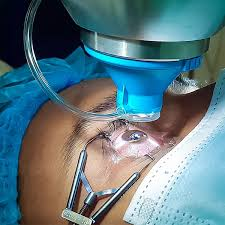
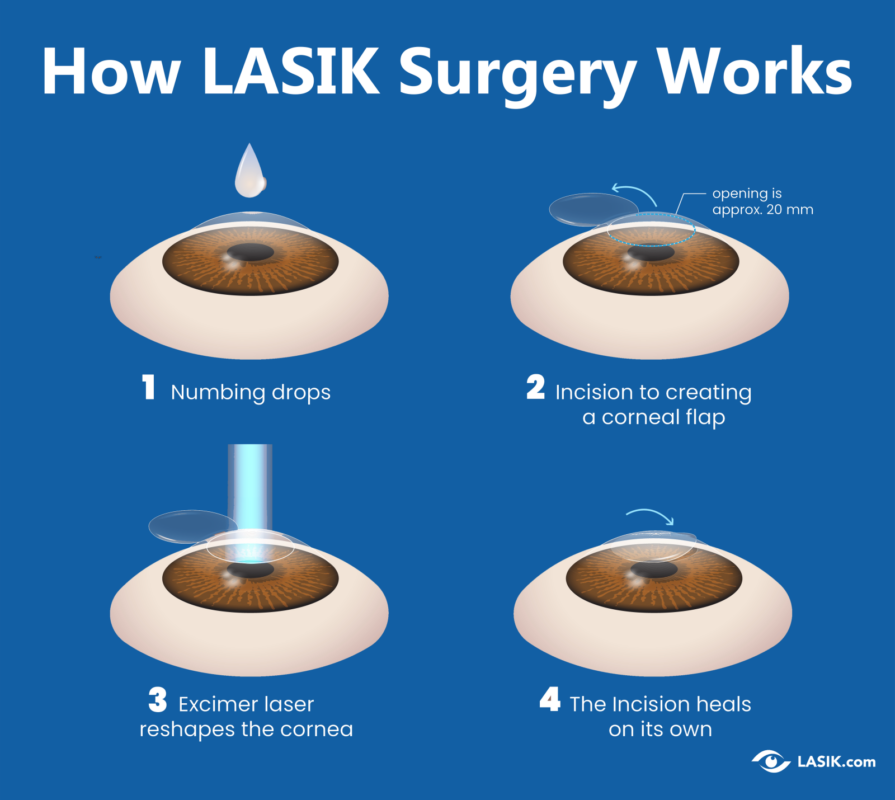
LASIK (Laser-Assisted In Situ Keratomileusis) is a quick, outpatient surgery that uses a laser to reshape the cornea—the clear front part of your eye. This correction helps light focus properly on the retina, which improves your vision.
What It Corrects
- Myopia (Nearsightedness)
- Hyperopia (Farsightedness)
- Astigmatism (Blurry vision due to irregular cornea shape)
In most cases, it offers 20/20 vision or close to it.
Is LASIK Permanent?
The short answer: Yes, LASIK permanently reshapes your cornea.
Once the cornea is reshaped, it doesn’t revert to its previous form. That’s why LASIK is considered a permanent correction.
But here’s the twist—your eyes can still change over time.
Factors That Can Affect Long-Term Results:
Even though LASIK is a permanent change, it can’t stop natural changes to your eyes that happen with age or health conditions.
1. Age-Related Vision Changes
Your eye’s lens naturally loses flexibility with age (presbyopia), often leading to the need for reading glasses after 40—even after LASIK.
2. Eye Health Conditions
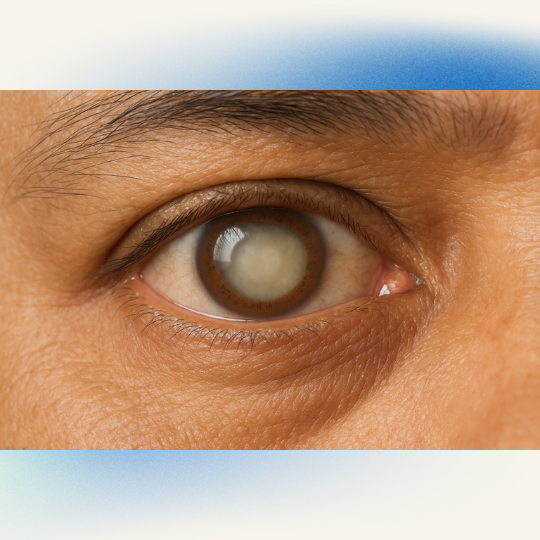
Cataracts, glaucoma, or retinal issues can affect your vision years after LASIK.
3. Hormonal Shifts
Hormonal changes during pregnancy, menopause, or thyroid issues can cause vision shifts.
4. Diabetes
Fluctuating blood sugar can impact the shape of the eye, causing temporary or long-term power changes.
Can Your Power Come Back After LASIK?
This is called regression—a condition where your vision gradually slips back a bit after being corrected.
It doesn’t happen to everyone, but for some, especially those with high power (-6 or more) or unstable prescriptions before surgery, it’s a possibility.
Short-Term vs Long-Term Changes
- Short-term: Mild fluctuations in the first 3–6 months (normal part of healing)
- Long-term: Gradual vision drift years later (due to aging or eye health)
How Common Is Regression?
- About 5–10% of LASIK patients may experience noticeable regression.
- Most of these cases are mild and manageable.
LASIK Enhancements:
What Is a LASIK Enhancement?It’s a minor touch-up surgery, usually using the same laser technique, to fine-tune your vision if power returns.
When Can It Be Done?
- Typically after 6–12 months post-surgery
- Your eye must be stable
Effectiveness
- High success rate
- Quick recovery
- Not everyone qualifies again. (based on corneal thickness)
Alternatives if Power Returns:
If you’re not eligible for a second LASIK, there are other options:
- Glasses/Contact Lenses—Simple and effective
- Re-LASIK—if corneal health permits
- SMILE or ICL Surgery—Advanced alternatives
Preventing Vision Changes After LASIK:
To keep your eyes in top shape:
- Wear sunglasses to block harmful UV
- Follow screen hygiene (20-20-20 rule)
- Don’t rub your eyes
- Attend annual eye checkups.
Who Is an Ideal Candidate for Permanent LASIK Results?
- Age 20–40 years
- Stable eye power for at least a year
- No active eye diseases
- Thick, healthy cornea
LASIK vs Other Vision Correction Options:
| Procedure | Recovery Time | Suitable For | Cost (INR) |
|---|---|---|---|
| LASIK | 1–2 Days | Most healthy adults | ₹35,000–₹85,000 |
| SMILE | 1–2 Days | Thin cornea cases | ₹120,000–₹180,000 |
| PRK | 5–7 Days | Dry eyes, athletes | ₹30,000–₹70,000 |
| ICL | 1–2 Days | High power, thin cornea | ₹1,20,000–₹1,80,000 |
What Ophthalmologists Say:
Experts agree: LASIK is safe, effective, and long-lasting—if done at the right age and for the right candidate.
Most surgeons say
“We tell our patients LASIK reshapes your cornea forever, but it doesn’t stop natural aging of your eyes.”
Real Patient Stories:
Anita (Age 29):
“It’s been 8 years, and I still don’t wear glasses!”
Rajeev (Age 35):
“My power came back slightly after 6 years. Got a LASIK enhancement — all good now!”
Cost of LASIK Enhancements in India:
- Usually ranges between ₹15,000–₹40,000 depending on clinic and technology.
- Some hospitals include free enhancement within 1–2 years in the original package.
Conclusion:
So, is LASIK permanent?
Yes, the reshaping of your cornea is for life.
But remember — your eyes will still age, and your vision can change.
The good news? In most cases, the changes are mild and manageable. And for those who need it, enhancements are available.
If you’re thinking about LASIK, talk to your eye surgeon and make sure your expectations are clear. It’s not a magic wand, but for many, it’s the next best thing.
FAQs:
1. Does LASIK wear off over time?
No, LASIK doesn’t wear off. However, vision changes due to aging or other eye conditions can occur.
2. What is the chance of needing a second LASIK?
Roughly 5–10% of patients may need an enhancement due to regression.
3. Is LASIK safe after 40?
Yes, but presbyopia (reading difficulty) may still develop, requiring reading glasses.
4. Will I need reading glasses after LASIK?
Possibly, especially after age 40 due to natural aging of the lens.
5. How to know if my vision is regressing?
Blurry distance vision, squinting, or headaches may indicate a power shift — visit your eye doctor for confirmation.