
Understanding—Is -11 eyesight curable in children?
When parents first hear the diagnosis “-11 eyesight” for their child, the immediate reaction is fear. Severe myopia sounds intimidating, especially when it impacts a child’s early years. Naturally, many parents ask the pressing question: Is -11 eyesight curable in children?
To understand the answer, it helps to know what –11 actually means.
What Does –11 Eyesight Mean?
A prescription of –11 diopters falls under severe or high myopia. Children with this level of nearsightedness struggle to see distant objects clearly, often holding books close or squinting at details.
High myopia occurs when the eyeball grows longer than normal. The longer the eyeball, the blurrier the vision.
How High Myopia Develops
High myopia usually develops due to a mix of:
- Genetic factors
- Rapid eyeball elongation
- Lifestyle patterns like excessive screen time
- Limited exposure to natural outdoor light
But the key question remains: Is it curable? Let’s explore.

Is High Myopia Reversible? The Medical Reality
Parents understandably hope for a cure, but here’s the medically accurate truth:
Why High Myopia Cannot Be “Cured”
Currently, no treatment can completely reverse -11 eyesight because the physical lengthening of the eyeball cannot be undone. It’s a structural condition, not just a focusing issue.
“Manage vs. Cure”—What”’s the Difference?
While we cannot cure high myopia in children, we can manage, correct, and slow its progression. This means:
- Children can achieve clear vision with correction
- The worsening of myopia can be reduced or slowed
- Long-term risks can be minimized
Think of myopia like height: you can’t shrink bones, but you can support healthy development.
So, to directly answer the main question:
Is -11 eyesight curable in children? No, but it is manageable, treatable, and controllable.
Treatment Options for -11 Vision in Children
Modern eye care provides many ways to help children with severe myopia see clearly and safely.
Prescription Glasses
The most common and accessible method. For children with -11 eyesight:
- High-index lenses reduce thickness
- Anti-reflective coating improves clarity
- Specialized frames support comfort
Contact Lenses
Suitable for older children. Options include:
- Daily disposables
- Extended-wear lenses
- Toric lenses (if astigmatism exists)
Contacts often give better vision clarity than glasses for severe myopia.
Orthokeratology (Ortho-K)
Hard lenses are worn overnight to temporarily reshape the cornea. Benefits:
- Clear daytime vision without lenses
- Proven to slow myopia progression
- Useful for active children
Atropine Eye Drops (0.01%–0.05%)
These drops have become a global standard for myopia control. Studies show:
- 50–60% reduction in progression
- Safe for long-term pediatric use
Atropine is not a cure, but it’s one of the most effective management tools.
Advanced Management for Severe Myopia (-10 and Beyond)
For children with prescriptions like –11, early intervention is crucial.
Myopia Control Strategies
Doctors may recommend:
- Atropine drops + Ortho-K combination therapy
- Specialized myopia-control glasses (DIMS lenses)
- Increased outdoor time
Lifestyle-Based Interventions
Simple habits can make a surprisingly large difference:
- 2 hours outdoors daily
- Limiting continuous screen use
- Good posture and reading distance
These habits reduce strain on the growing eye.
Surgical Options—Why Surgery Is Not Done in Children
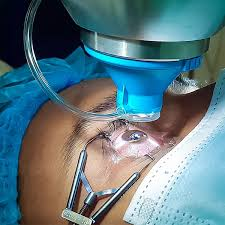
It’s common for parents to wonder whether LASIK or eye surgery can fix -11 eyesight.
LASIK Is Not Recommended for Children
Reasons include:
- Eyes are still growing
- Prescription changes rapidly
- Surgical risks are too high
Most surgeons will not operate until age 18–21, when vision stabilizes.
Implantable Contact Lenses (ICL)
Suitable only for adults with very high myopia. Again, not for children.
Eye Complications Linked to -11 Myopia
Children with severe myopia face higher risks of certain eye disorders.
Retinal Detachment
Due to eye elongation stretching the retina.
Glaucoma
Higher pressure inside the eye becomes more likely.
Myopic Macular Degeneration
A long-term risk that requires ongoing monitoring.
Early and proactive management significantly reduces these risks.
How to Slow Progression of High Myopia
1. Increase Outdoor Time
2 hours of outdoor daylight reduces myopia risk by up to 50%.
2. Screen Hygiene
- 20-20-20 rule: every 20 minutes, look 20 feet away for 20 seconds
- Keep screens at least 18–20 inches away
3. Promote Healthy Reading Habits
- Good lighting
- Avoid reading while lying down
- Ensure proper posture
Early Diagnosis & Regular Eye Checks
Children with high myopia need eye exams:
- Every 6 months
- Or immediately if symptoms worsen
Specialists monitor retinal health, prescription changes, and overall eye growth.
Vision Therapy—Does It Help?
Vision therapy can improve:
- Eye coordination
- Focusing ability
- Visual processing
However:
Vision therapy does not cure or reverse -11 eyesight
It improves visual skills, not eyeball length.
Latest Research on High Myopia in Children
Ongoing studies from Japan, Singapore, and Europe show:
- Atropine is increasingly effective
- Outdoor time remains a top preventive factor
- New lens technologies (like Defocus Incorporated Multiple Segments lenses) offer promising results
For deeper reading, organizations like the International Myopia Institute publish updated research.
Myopia Management Plan for Parents
To support your child:
Daily Checklist
- Glasses/contacts worn correctly
- 2+ hours outdoors
- Screen breaks
- Controlled reading distance
Do’s and Don’ts
Do: choose myopia-control lenses
Don’t let your child use devices in the dark
Do: schedule regular checkups
Don’t: delay treatment
When to See a Specialist
Urgent symptoms include:
- Sudden flashes of light
- Black floaters
- Sudden vision loss
- Eye pain
- Headaches with blurred vision
These may indicate retinal or pressure-related complications.
Conclusion
So, is -11 eyesight curable in children?
The honest answer is no, but there is good news: high myopia can be effectively managed, slowed, and controlled. With modern treatments, children can enjoy clear vision, safer eye development, and a healthy future. Through regular exams, lifestyle adjustments, and proactive treatment, parents can protect their child’s vision for years to come.
FAQs—Is -11 eyesight curable in children?
1. Is -11 eyesight curable in children?
No. It cannot be cured, but it can be managed and controlled with proper treatment.
2. Can glasses fix -11 eyesight permanently?
Glasses correct vision but do not reverse myopia.
3. Will my child’s vision keep worsening?
It may progress, but treatments like Ortho-K and atropine slow this significantly.
4. Can my child get LASIK for -11 eyesight?
Not until adulthood, usually after age 18–21.
5. Does screen time worsen high myopia?
Excessive near work can accelerate progression, especially in growing eyes.
6. Can high myopia lead to blindness?
Rarely, but severe complications like retinal detachment require close monitoring.