
ICL Eye Surgery:
Imagine waking up and seeing the alarm clock, your phone, and even the world outside your window without reaching for glasses or contact lenses. For many people with high nearsightedness or tricky eye conditions, that dream is becoming a reality with ICL (Implantable Collamer Lens) surgery. Unlike traditional laser procedures, ICL works inside the eye—not on the surface—offering a gentle, custom solution for sharper, more natural vision.
What Is ICL Eye Surgery?
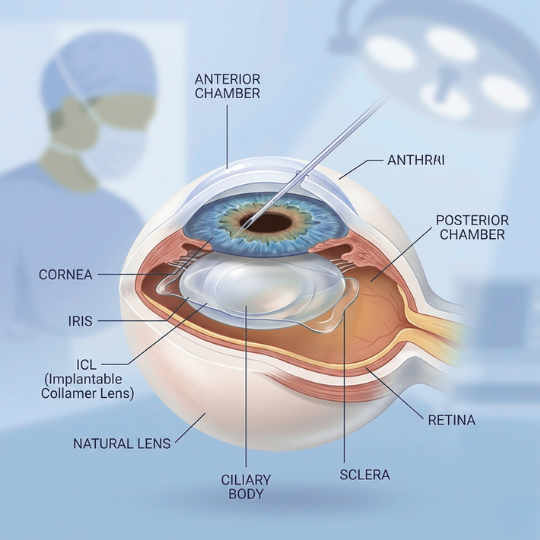
ICL stands for Implantable Collamer Lens. Surgeons use a thin, soft, custom-made lens made from a special biocompatible material, designed to sit behind the iris (the colored part of your eye) and in front of your eye’s natural lens. Think of it like a permanent, internal “contact lens” that your eye doesn’t reject.
Instead of removing or reshaping corneal tissue like in LASIK, ICL surgery simply positions a tiny lens inside the eye to refocus light more accurately onto the retina. This means your cornea stays largely untouched, and the procedure can be reversed if needed.
Who Is ICL For?
ICL is especially popular for people who:
- Have moderate to high myopia (short-sightedness), often beyond the safe range for LASIK.
- Have thin or irregular corneas, making laser surgery riskier.
- Suffer from dry eyes and want to avoid additional surface dryness.
- Prefer a reversible option that preserves the natural structure of the eye.
Typically, ideal candidates are adults between roughly 21 and 45 years old with stable prescriptions and no serious eye diseases like cataracts or glaucoma. A detailed eye check—measuring corneal thickness, pupil size, and eye chamber depth—is essential to decide if ICL is right for you.
How Does ICL Surgery Work?
The whole process is usually quick, comfortable, and done on an outpatient basis. Here’s what to expect in simple, patient‑friendly terms:
- Consultation & Scans
Your doctor runs painless scans and measurements to design a lens that fits your eye perfectly. This is like taking a 3D “blueprint” of your vision needs. - On The Day Of Surgery
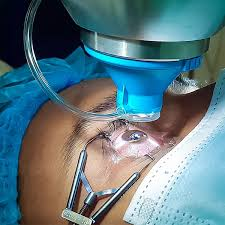
You’ll receive numbing eye drops and light sedation so you stay relaxed. You’ll be awake but won’t feel pain—just some pressure or mild discomfort. - Tiny Incision, Big Vision Upgrade
The surgeon makes a very small opening at the edge of the cornea. The surgeon gently inserts the folded ICL through the opening, then allows it to unfold behind the iris and carefully positions it so it sits securely and safely in place. - Checking & Healing
The surgeon checks alignment and may use special drops to adjust your pupil. You’ll start on a short course of eye drops to prevent infection and inflammation, and you’ll have follow‑up visits over the next few weeks.
Most patients can go home the same day and notice clearer vision within 24–48 hours, with many returning to work and routine activities within about a week.
Why Patients Love ICL
ICL has become a preferred choice for many because it offers:
- Sharper, stable vision: Many people enjoy clear distance vision soon after surgery, often with good night‑vision quality.
- Suitable for high numbers: Works well even for very high myopia where LASIK isn’t ideal.
- Gentler on the eye: No permanent removal of corneal tissue, so your natural eye structure stays protected.
- Reversible option: If needed, the lens can be removed or replaced later in life.
- Less dry‑eye risk: Since the corneal surface isn’t reshaped, patients with dry eyes often tolerate ICL better than laser surgery.
For the right person, ICL can mean a dramatic reduction—or even complete freedom—from glasses and contact lenses, especially for daily tasks like driving, working on screens, and watching sports or movies.
Healing, Side Effects, And Safety
Recovery is usually smooth, but it’s normal to experience:
- Mild blurriness or “foggy” vision for a short time
- Light sensitivity or glare around lights
- Some redness or discomfort that improves with prescribed drops
These symptoms typically fade within days to a couple of weeks as your eye adapts.
As with any eye surgery, there are potential risks, though serious issues are rare:
- Temporary increase in eye pressure
- Rare problems like cataract formation, lens misalignment, or infection
- Need for minor adjustments or second procedures in a small number of cases
Choosing an experienced surgeon, following all pre- and post-operative instructions, and attending every follow-up appointment helps ensure safety and allows doctors to catch any issues early.
ICL In Bangalore: What To Know
In Bengaluru, ICL surgery is now widely available at major eye hospitals and specialist centers. Current cost estimates in the city typically start from around ₹85,000 per eye and can go higher depending on the brand of lens, hospital facility, and surgeon expertise. Many centres offer:
- Advanced diagnostic tests (topography, biometry, and detailed eye mapping)
- Custom lens selection and detailed counselling
- Package deals that include surgery, implants, and follow‑ups
- Flexible payment or EMI options for comfort
For patients in Bangalore, it helps to choose a center that clearly explains:
- Your exact prescription range and suitability for ICL
- What the total package includes (tests, surgery, medicines, and check‑ups)
- How many ICL procedures the surgeon has performed and their success rate
Centers that combine technology, experience, and transparent communication give the best chance for a smooth journey to clearer vision.
Is ICL The Right Choice For You?
If you:
- Are tired of thick glasses or contact lenses
- Have been told you are “not a LASIK candidate” due to high power or thin cornea
- Want a gentle, internal solution that preserves your eye’s natural structure
…then ICL may be a strong option to explore.
The best next step is a detailed consultation with a qualified refractive or cataract surgeon who can compare your eye profile, lifestyle, and expectations with the proven benefits and realistic risks of ICL. For many, this conversation is the first step toward enjoying sharper, clearer vision—without the constant hassle of glasses or contacts.
Conclusion: Is ICL Right For You?
ICL eye surgery offers a safe, comfortable, and often life‑changing way to reduce or even eliminate dependence on glasses and contact lenses, especially for people with high myopia or tricky corneas. Unlike LASIK, it works inside the eye, preserving the cornea and offering a gentle, reversible option for clearer vision.
For patients in Bangalore, choosing a center with experienced surgeons, clear pricing, and proper pre‑screening makes all the difference. If you’re tired of thick glasses, frustrated by contact lenses, or have been told you’re “not a LASIK candidate,” ICL could be your next step toward sharper, more natural vision. The best way to find out is a detailed consultation with a trusted eye specialist who can match your eye profile with the right solution.
Author Details:
Dr. Sushruth Appajigowda holds a prominent position as a Cornea, Cataract, Glaucoma, and LASIK Surgeon in Bangalore. He serves as the chief Cataract and Refractive surgeon at Vijaya Nethralaya Eye Hospital, Nagarbhavi Bangalore. Renowned as one of the finest LASIK surgeons nationwide, he brings with him over 12+ years of experience across multiple LASIK platforms, including ZEISS, ALCON, SCHWIND, AMO, and Bausch and Lomb. Having successfully conducted over 5000 LASIK procedures, Dr. Sushruth holds the title of a Certified Refractive Surgeon and a Fellow of the All India Collegium Of Ophthalmology. Furthermore, he stands as a distinguished speaker at various National and International Forums, using his expertise to guide you in selecting the most suitable procedure based on your health requirements.

http://vijayanethralaya.com/link-in-bio/
FAQ
Q1: Who can get ICL surgery?
ICL is best for adults with moderate to high myopia, thin or irregular corneas, or those who want to avoid dry-eye issues from laser surgery. Your doctor will check your eye health, prescription, and eye measurements to confirm if you’re suitable.
Q2: Does ICL hurt?
No. The surgery is done with numbing eye drops and light sedation, so you may feel pressure or mild discomfort, but not sharp pain. Most patients describe it as “weird but not painful.”
Q3: How soon can I see clearly after ICL?
Many people notice clearer vision within 24–48 hours, though your eyes may feel a bit blurry or sensitive for a few days as they adapt.
Q4: Can I return to work after ICL?
Most patients can resume desk jobs or light work within 3–7 days, depending on their comfort and doctor’s advice. Avoid heavy physical strain or dusty environments for the first week.
Q5: How much does ICL cost in Bangalore?
In Bengaluru, the cost typically starts from around ₹85,000 per eye and can vary based on the brand of lens, hospital, and surgeon. Many centers offer packages that include tests, surgery, implants, and follow-ups.
Q6: Is ICL better than LASIK?
ICL is not “better” or “worse” than LASIK—it’s a different tool for different eyes. LASIK reshapes the cornea and is great for many, while ICL is ideal for high powers, thin corneas, or those who prefer an internal lens that can be removed later. Your doctor will help you choose the right fit for your eyes and lifestyle.