
What Is Femto-Laser Cataract Surgery? Everything You Need to Know in 2025
Cataracts remain one of the most common causes of vision impairment worldwide, especially among people over 50. But thanks to femtosecond laser cataract surgery, patients now have access to a safer, more precise, and technologically advanced solution. This article explores everything you need to know about this groundbreaking technique—from how it works to what makes it superior to traditional cataract surgery.
Understanding Cataracts and Their Impact on Vision
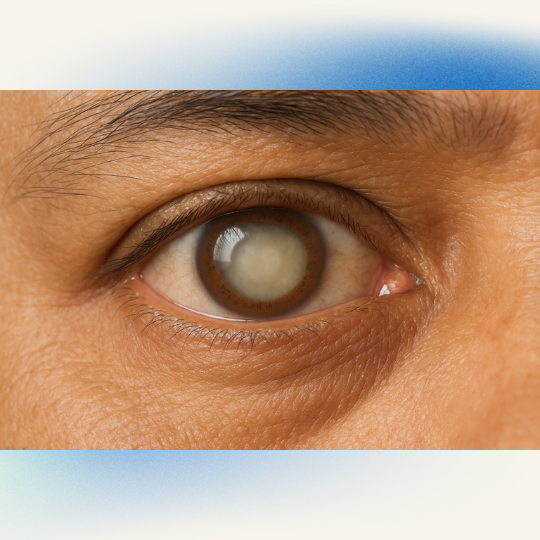
A cataract is the clouding of the eye’s natural lens, leading to blurry or dim vision. It develops gradually, often due to aging, diabetes, smoking, UV exposure, or certain medications. In severe cases, cataracts can cause total vision loss if left untreated.
How Cataracts Affect Daily Life
Cataracts distort colors, reduce night vision, and create glare or halos around lights. Tasks like reading, driving, or recognizing faces become challenging, significantly reducing quality of life. The only effective treatment is surgical removal of the cloudy lens and replacement with an artificial intraocular lens (IOL).
Traditional Cataract Surgery vs. Femto-Laser Cataract Surgery
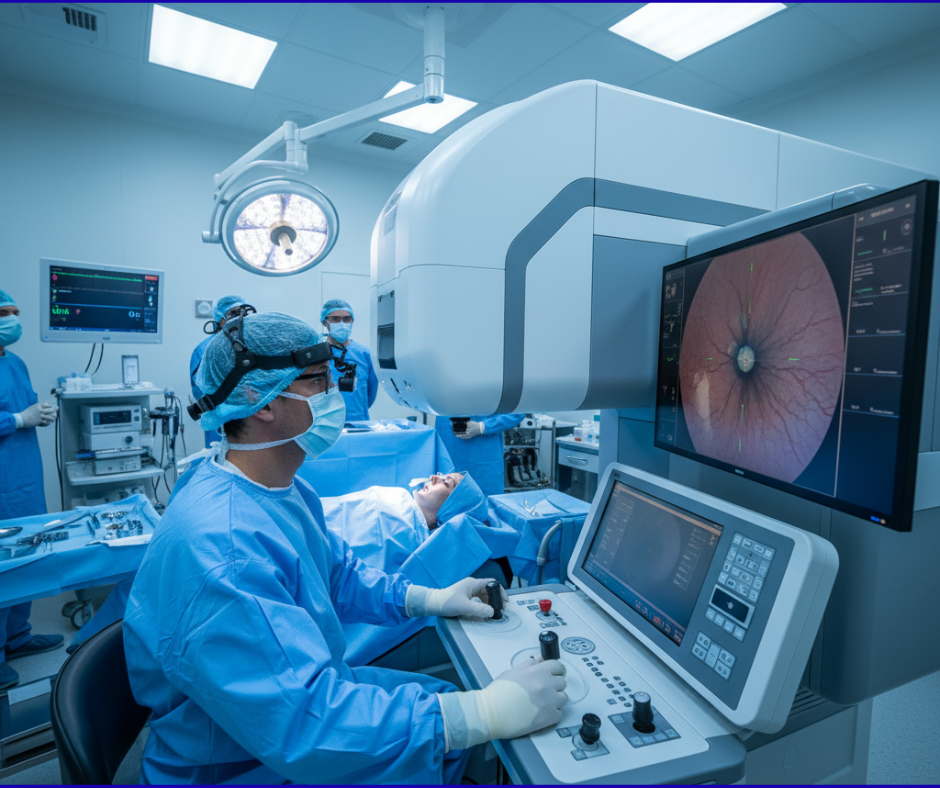
While both surgeries aim to restore clear vision, the technique used to remove the cloudy lens is what sets them apart.
| Aspect | Traditional Cataract Surgery | Femto-Laser Cataract Surgery |
|---|---|---|
| Incision Type | Manual with a surgical blade | Laser-assisted, bladeless incision |
| Lens Fragmentation | Ultrasound (phacoemulsification) | Pre-softened by laser |
| Astigmatism Correction | Limited | High precision with corneal incisions |
| Customization | Standard | Personalized using 3D imaging |
| Recovery | Gradual | Faster and smoother |
Femto-laser cataract surgery enhances safety, precision, and visual outcomes, making it a preferred choice for premium lens implants and patients seeking top-tier results.
Evolution of Cataract Surgery Technology
The journey of cataract surgery is remarkable. Early surgeons manually removed the lens using rudimentary tools. In the 1960s, phacoemulsification revolutionized surgery by using ultrasound to break up the cataract. The 21st century introduced femtosecond lasers, which made the entire process more controlled, reproducible, and minimally invasive.
Today, this laser-assisted technology represents the pinnacle of ophthalmic innovation—merging computer guidance, 3D imaging, and laser precision to deliver unprecedented accuracy.
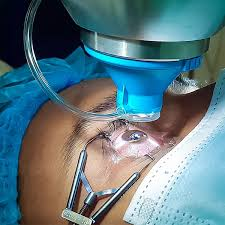
How Femto-Laser Cataract Surgery Works
Step-by-Step Process
- Eye Mapping: Advanced imaging systems create a 3D map of the eye’s anatomy.
- Laser Incision: The femtosecond laser makes a precise, bladeless corneal incision.
- Capsulotomy: The laser creates a perfect circular opening in the lens capsule.
- Lens Fragmentation: The cataract is softened and divided into small fragments.
- Lens Removal & Replacement: The cloudy lens is gently suctioned out, and an artificial IOL is implanted.
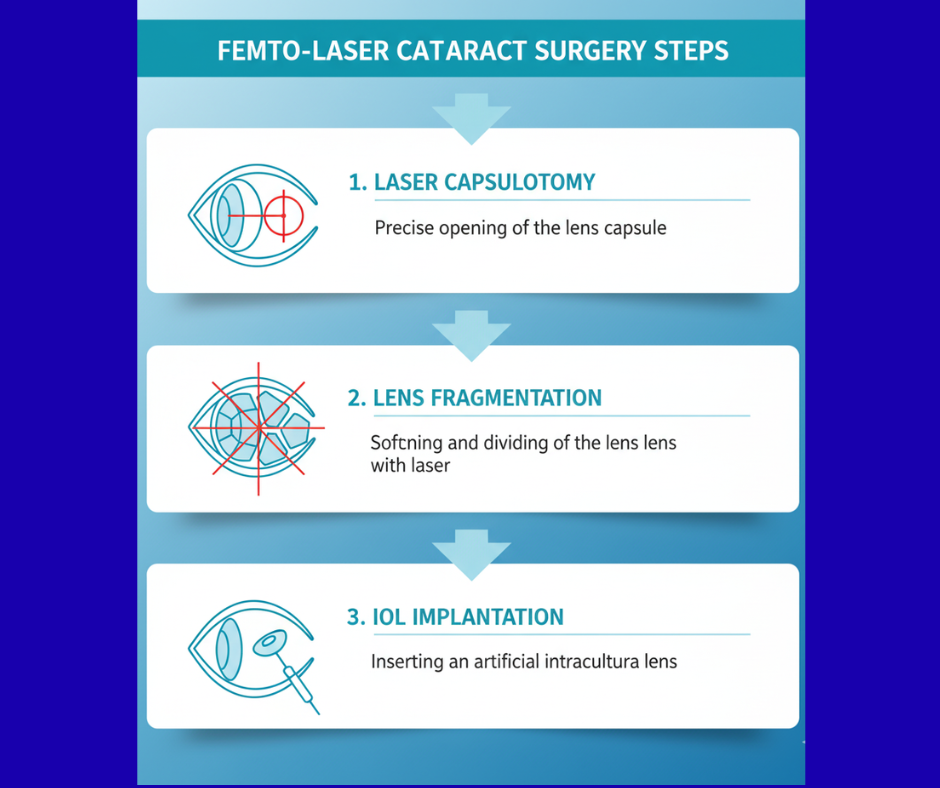
Role of the Femtosecond Laser
The femtosecond laser emits ultra-short pulses measured in quadrillionths of a second, allowing microscopic precision without damaging surrounding tissue. It replaces the need for manual blades, ensuring every cut and fragment is perfectly executed.
Real-Time Imaging and 3D Mapping
A crucial advantage of this surgery is OCT (Optical Coherence Tomography)—a live imaging technique that lets surgeons view the eye’s internal structures in 3D. This ensures optimal incision placement, capsulotomy alignment, and lens positioning—leading to more predictable visual results.
Benefits of Femto-Laser Cataract Surgery
Femtosecond laser cataract surgery delivers numerous advantages that elevate it above traditional techniques.
1. Unmatched Precision
Laser incisions are incredibly accurate and reproducible, reducing the margin of error.
2. Enhanced Safety
Because the laser performs key steps with minimal manual handling, the risk of human error and tissue damage is significantly reduced.
3. Faster Recovery
Laser fragmentation softens the cataract, meaning less ultrasound energy is needed—resulting in reduced inflammation and quicker healing.
4. Better Vision Quality
Many patients experience clearer, sharper vision within days. For those with astigmatism, laser correction allows for customized corneal adjustments.
Reduced Risk of Complications
The laser’s precision lowers the likelihood of:
- Capsular tears
- Corneal swelling
- Retinal detachment
- Post-operative inflammation
This makes it ideal for patients seeking premium lens implants like multifocal or toric IOLs.
Potential Risks and Limitations
While generally safe, femtosecond laser cataract surgery is not without potential drawbacks:
- Cost: It’s more expensive than conventional surgery due to advanced equipment.
- Availability: Not all clinics are equipped with femtosecond laser systems.
- Suitability: Some patients with advanced cataracts or corneal scarring may not be eligible.
Who Should Avoid Femto-Laser Surgery?
Patients with very dense cataracts, small pupils, or unstable fixation might be better suited to traditional surgery.
Cost and Insurance Coverage
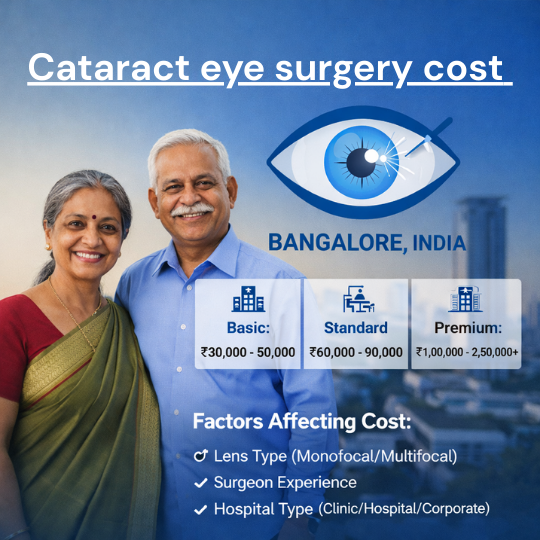
The cost of femto-laser cataract surgery varies globally:
| Region | Average Cost (Per Eye) |
|---|---|
| USA | $3,000–$5,000 |
| UK | £2,500 – £4,000 |
| India | ₹60,000 – ₹100,000 |
| Middle East | $2,000 – $3,500 |
Insurance often covers standard cataract surgery, but laser-assisted upgrades are typically billed separately. Always confirm with your provider.
What to Expect Before, During, and After Surgery
Before Surgery
Patients undergo eye scans, measurements, and lens selection consultations.
During Surgery
The procedure takes about 15–20 minutes per eye and is usually painless under local anesthesia.
After Surgery
Most patients notice improved vision within 24–48 hours. Eye drops, sunglasses, and rest help speed up recovery.
Recovery Timeline and Post-Operative Care Tips
- Day 1–3: Mild discomfort and light sensitivity.
- Week 1: Vision becomes clearer; avoid strenuous activity.
- Month 1: Final vision stabilizes; follow up with your doctor.
Tip: Always follow your ophthalmologist’s instructions and avoid rubbing your eyes.
Femto-Laser Surgery Outcomes: Clinical Results and Success Rates
According to multiple clinical studies, femto-laser cataract surgery offers superior precision and fewer complications than traditional methods.
Patients report:
- 25–40% better capsulotomy precision
- 30% faster recovery
- Higher satisfaction with premium lens implants
Choosing the Right Surgeon and Clinic
When selecting a surgeon:
- Verify certification and experience with femtosecond laser systems.
- Ask about previous case success rates.
- Ensure the clinic uses modern laser platforms like LenSx, Catalys, or LensAR.
A skilled surgeon using cutting-edge equipment dramatically influences your outcome.
Conclusion: Is Femto-Laser Cataract Surgery Worth It?
Femto-laser cataract surgery represents the future of eye care—combining laser precision, advanced imaging, and minimally invasive techniques to deliver safer and more consistent results.
While it comes at a higher cost, its benefits in precision, safety, and recovery make it an excellent choice for patients who prioritize quality vision and comfort.
Frequently Asked Questions (FAQs)
1. Is femtosecond laser cataract surgery painful?
No, it’s typically painless. Patients may feel mild pressure but not pain during the procedure.
2. How long does recovery take?
Most patients recover functional vision within 2–3 days, with complete recovery in 3–4 weeks.
3. Is it worth the extra cost?
Yes, for many, the improved accuracy and faster recovery justify the investment.
4. Can both eyes be operated on on the same day?
Usually not. Surgeons recommend operating on one eye at a time for safety.
5. Will I still need glasses after surgery?
That depends on the lens type chosen. Premium lenses can reduce or eliminate dependence on glasses.
6. How long does the new lens last?
Artificial lenses are designed to last a lifetime and don’t require replacement.