
Understanding Laser Eye Surgery
What Is Laser Eye Surgery and How Does It Work?
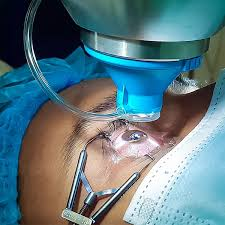
Laser eye surgery has transformed the way people experience the world—literally. There are several types of laser eye surgery available today, each designed to address specific vision needs. Imagine waking up and seeing everything clearly without fumbling for glasses or inserting contact lenses. That’s the promise of modern laser vision correction procedures, and for millions of people worldwide, it has become a reality. At its core, laser eye surgery reshapes the cornea—the transparent front surface of the eye—to correct refractive errors like myopia (nearsightedness), hyperopia (farsightedness), and astigmatism.
The cornea plays a crucial role in focusing light onto the retina. When its shape is slightly off, light doesn’t focus properly, leading to blurred vision. Laser surgery uses highly precise lasers—often guided by advanced computer systems—to remove microscopic amounts of corneal tissue and reshape it for optimal focus. Think of it like adjusting the lens of a camera until the image becomes sharp and clear.
There are different types of lasers used, including excimer lasers and femtosecond lasers, each designed for specific steps in various procedures. The precision is astonishing—modern lasers can track eye movements in real time and adjust accordingly, ensuring accuracy down to microns. According to recent ophthalmology data, over 95% of patients achieve 20/40 vision or better after surgery, which is good enough for most daily activities without corrective lenses.
What makes laser eye surgery even more appealing is its speed. Most procedures take less than 30 minutes, and many patients notice improved vision within hours or days. It’s not magic, but it feels close. The technology has evolved significantly over the years, making it safer, more customizable, and more effective than ever before.
Who Is an Ideal Candidate for Laser Vision Correction?
Not everyone is a perfect match for laser eye surgery, and understanding eligibility is just as important as understanding the procedures themselves. You might be wondering, “Can I get rid of my glasses permanently?” The answer depends on several factors, including your eye health, age, and the stability of your vision prescription.
Generally, ideal candidates are adults over the age of 18 who have had a stable prescription for at least one to two years. Stability matters because fluctuating vision can affect the long-term success of the procedure. If your prescription keeps changing, it’s like trying to hit a moving target—surgery might not deliver lasting results.
Eye health is another critical factor. Conditions such as dry eye syndrome, thin corneas, glaucoma, or cataracts can influence whether a particular type of laser surgery is suitable. For example, LASIK requires sufficient corneal thickness, while PRK might be recommended for individuals with thinner corneas. A comprehensive eye exam, including corneal mapping and tear film analysis, is essential before making any decisions.
Lifestyle also plays a role. Athletes or individuals in physically demanding jobs may benefit from procedures like PRK or SMILE, which have no corneal flap and reduce the risk of injury-related complications. Pregnant or breastfeeding individuals are usually advised to wait due to hormonal changes that can affect vision.
Interestingly, studies show that around 20–25% of people are not ideal candidates for LASIK but may qualify for alternative procedures. That’s why consulting with a qualified ophthalmologist is crucial—they can recommend the most suitable option based on your unique eye structure and needs.
LASIK (Laser-Assisted In Situ Keratomileusis)
How LASIK Works Step-by-Step
LASIK is arguably the most well-known and widely performed type of laser eye surgery, often considered the gold standard in vision correction. If laser eye procedures were a popularity contest, LASIK would win by a landslide. But what exactly happens during this procedure?
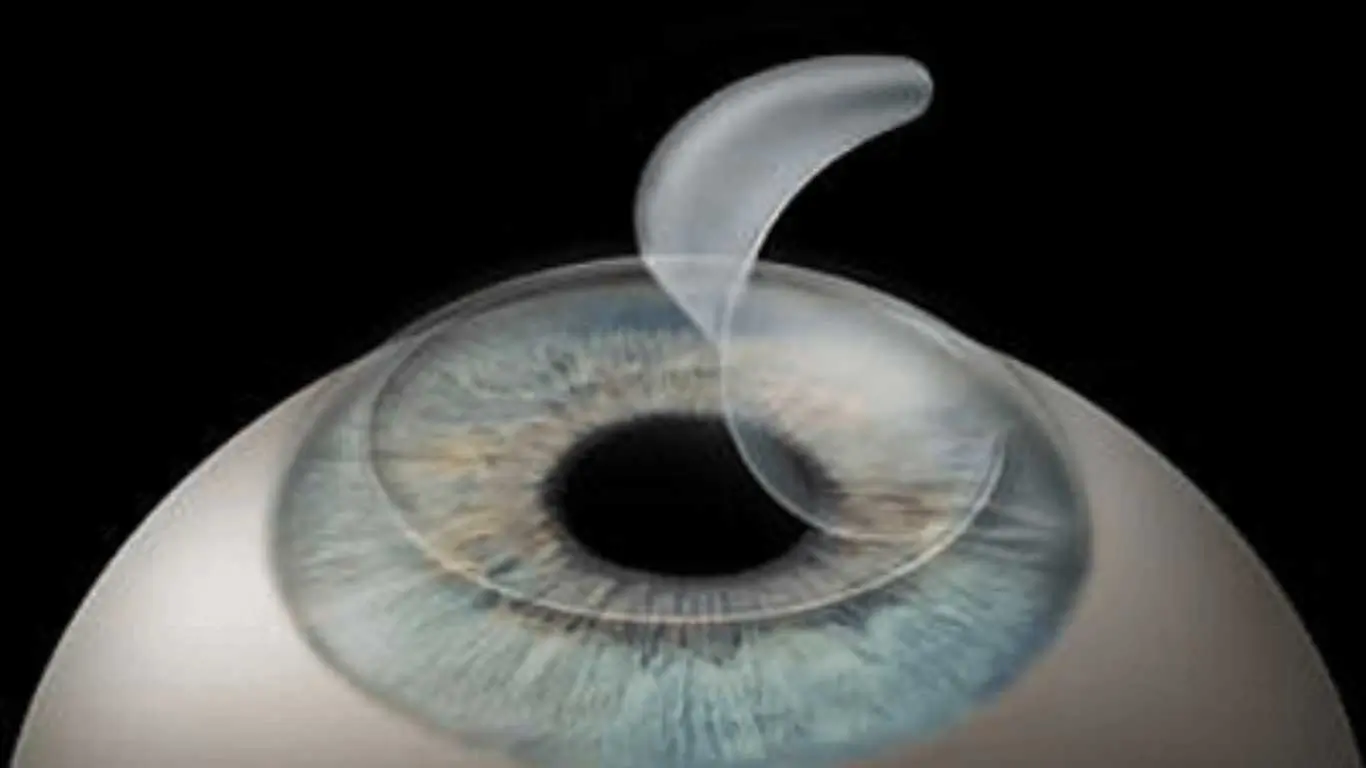
The process begins with the creation of a thin corneal flap, which is gently lifted to expose the underlying tissue. This flap is typically created using a femtosecond laser, ensuring high precision and minimal discomfort. Once the flap is lifted, an excimer laser reshapes the cornea by removing tiny amounts of tissue, correcting the refractive error.
The entire procedure is surprisingly quick—usually around 10 to 15 minutes for both eyes. Patients remain awake but are given numbing eye drops to prevent discomfort. You might feel slight pressure during the flap creation, but it’s generally painless. After the reshaping is complete, the flap is repositioned, acting like a natural bandage that heals on its own without stitches.
One of the most appealing aspects of LASIK is the rapid recovery time. Many patients notice improved vision within 24 hours, and most return to normal activities within a couple of days. It’s almost like upgrading your eyesight overnight. According to the American Refractive Surgery Council, over 96% of LASIK patients are satisfied with their results, making it one of the most successful elective procedures in medicine.
The precision and customization offered by modern LASIK techniques, including wavefront-guided technology, allow surgeons to tailor the procedure to each individual’s eye structure. This level of personalization enhances outcomes and reduces the risk of side effects like glare or halos.
Pros and Cons of LASIK Surgery:
LASIK’s popularity isn’t accidental—it offers a compelling mix of convenience, effectiveness, and speed. But like any medical procedure, it comes with both advantages and limitations. Understanding both sides helps set realistic expectations and ensures informed decision-making.
One of the biggest advantages is the quick recovery time. Unlike other procedures that may require days or weeks of healing, LASIK patients often resume normal activities within a day or two. The procedure is also relatively painless, thanks to advanced numbing techniques. Another major benefit is its high success rate—most patients achieve 20/20 or near-perfect vision, significantly reducing or eliminating the need for glasses.
However, LASIK isn’t without drawbacks. One potential concern is the creation of the corneal flap, which, although rare, can lead to complications if displaced. Dry eyes are another common side effect, especially in the first few weeks after surgery. While this usually improves over time, some patients may experience prolonged dryness.
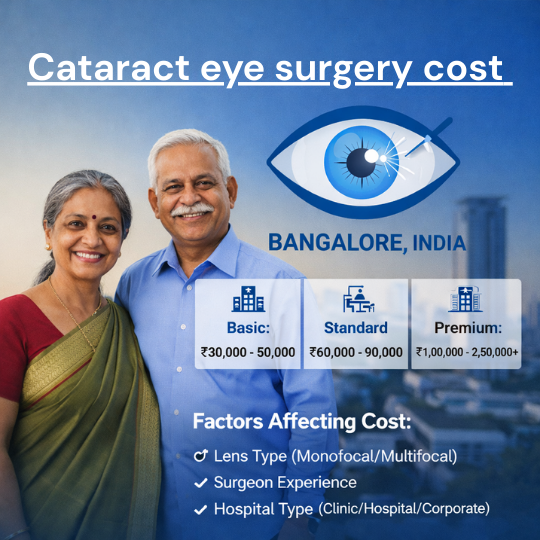
Cost is another factor to consider. LASIK can range from $2,000 to $3,000 per eye, depending on the technology used and the surgeon’s expertise. Since it’s often considered an elective procedure, insurance typically doesn’t cover it.
Here’s a quick comparison:
| Aspect | LASIK |
|---|---|
| Recovery Time | 24–48 hours |
| Pain Level | Minimal |
| Suitability | Moderate to thick corneas |
| Risk of Flap Issues | Yes |
| Cost | High |
PRK (Photorefractive Keratectomy)
How PRK Differs from LASIK:
PRK, or Photorefractive Keratectomy, is one of the oldest forms of laser eye surgery, yet it remains incredibly relevant today. In fact, before LASIK took the spotlight, PRK was the go-to procedure for vision correction. So why is it still being used when newer techniques exist? The answer lies in its simplicity and suitability for certain eye types.
The biggest difference between PRK and LASIK is the absence of a corneal flap. Instead of creating a flap, the surgeon removes the thin outer layer of the cornea called the epithelium. Once this layer is removed, an excimer laser reshapes the underlying corneal tissue in the same way LASIK does. The epithelium then naturally regenerates over a few days.
This might sound like a minor variation, but it significantly changes both the procedure and recovery experience. Without a flap, there’s no risk of flap-related complications, making PRK a safer option for people with thin corneas or those involved in contact sports. Think of it as taking a more direct route to the destination—less structure involved, but a slightly longer journey afterward.
However, the trade-off is recovery time. Unlike LASIK’s almost instant visual improvement, PRK patients may experience blurred vision and discomfort for several days while the epithelium heals. Doctors usually place a protective contact lens over the eye during this period to aid healing and reduce discomfort.
Despite the slower recovery, PRK delivers equally effective long-term results. Studies have shown that visual outcomes after a few months are comparable to LASIK, with many patients achieving 20/20 vision or better. It’s a great reminder that sometimes, the older methods still hold their ground because they work—just in a slightly different way.
Benefits and Drawbacks of PRK:
PRK has carved out its place in the world of laser eye surgery by offering unique advantages that LASIK simply can’t match. One of the standout benefits is its suitability for individuals who aren’t ideal candidates for LASIK. If you’ve ever been told your corneas are too thin for LASIK, PRK might be your second chance at clear vision.
Another major advantage is the elimination of flap-related risks. Since no flap is created, there’s no possibility of it becoming dislodged due to trauma. This makes PRK especially appealing for athletes, military personnel, or anyone with an active lifestyle. It’s like choosing a more rugged vehicle—it may not be as smooth initially, but it’s built to handle tougher conditions.
On the downside, PRK requires patience. The recovery process can take several days to weeks, with initial discomfort being more noticeable than LASIK. Patients often describe a gritty or burning sensation during the first few days, which gradually subsides as the eye heals. Vision also improves gradually rather than instantly, which can be frustrating if you’re expecting overnight results.
Cost-wise, PRK is generally similar to LASIK, though it can sometimes be slightly less expensive. However, the longer downtime might indirectly affect your routine, especially if you need to take time off work.
Here’s a quick comparison to keep things clear:
| Feature | PRK |
|---|---|
| Flap Creation | No |
| Recovery Time | 1–2 weeks (initial), months for full clarity |
| Pain Level | Moderate (temporary) |
| Best For | Thin corneas, active lifestyles |
| Long-Term Results | Excellent |
PRK may not offer instant gratification, but it rewards patience with stable and reliable vision correction that lasts for years.
SMILE (Small Incision Lenticule Extraction):
The Technology Behind SMILE Surgery
SMILE, short for Small Incision Lenticule Extraction, represents the next generation of laser eye surgery. If LASIK is like using a precision tool and PRK is a manual method, SMILE is more like a minimally invasive, high-tech solution designed for efficiency and comfort.
Unlike LASIK and PRK, SMILE uses a single femtosecond laser to create a small, lens-shaped piece of tissue (called a lenticule) within the cornea. This lenticule is then removed through a tiny incision, reshaping the cornea and correcting the refractive error. No flap, no large surface removal—just a small, targeted intervention.
What makes SMILE particularly fascinating is its minimally invasive nature. The incision is typically less than 4 mm, compared to the larger flap created in LASIK. This smaller incision helps preserve more of the cornea’s structural integrity and reduces the risk of complications.
Patients often report a smoother experience with less dryness post-surgery, which is a common concern with LASIK. The procedure is also relatively quick, usually taking about 10–15 minutes per eye, and involves minimal discomfort.
Currently, SMILE is primarily used to treat myopia and mild astigmatism, though ongoing advancements are expanding its capabilities. According to recent clinical data, over 90% of SMILE patients achieve 20/20 vision or better, making it a strong competitor in the field of vision correction.
Advantages and Limitations of SMILE:
SMILE has quickly gained popularity due to its innovative approach and patient-friendly benefits. One of its biggest strengths is the reduced risk of dry eyes, thanks to the preservation of corneal nerves. For people who already struggle with dryness, this can be a game-changer.
Another key advantage is the absence of a corneal flap, which eliminates the risk of flap-related complications entirely. This makes SMILE a great option for individuals with active lifestyles or those concerned about eye injuries. It’s like choosing a design with fewer moving parts—less can go wrong.
Recovery is also relatively quick, though not quite as immediate as LASIK. Most patients notice significant improvement within a few days, with full stabilization occurring over a few weeks. The procedure is also known for its high precision and stability, leading to consistent long-term outcomes.
However, SMILE isn’t perfect. One limitation is that it currently treats a narrower range of vision issues compared to LASIK. For example, it’s not yet widely used for farsightedness (hyperopia). Additionally, enhancements or touch-ups can be more complex since there’s no flap to lift.
Cost can also be slightly higher due to the advanced technology involved. But for many patients, the benefits outweigh the price.
| Feature | SMILE |
|---|---|
| Incision Size | Very small |
| Flap Creation | No |
| Dry Eye Risk | Low |
| Recovery Time | Few days |
| Best For | Myopia, mild astigmatism |
SMILE is a glimpse into the future of laser eye surgery—less invasive, highly precise, and increasingly popular.
LASEK (Laser-Assisted Subepithelial Keratectomy):
Procedure and Recovery Process
LASEK might sound like a variation of LASIK—and in many ways, it is—but the differences matter more than the similarities. Laser-Assisted Subepithelial Keratectomy (LASEK) blends elements of both LASIK and PRK, offering a middle-ground option for patients who don’t fit neatly into one category.
Instead of creating a flap like LASIK or removing the epithelium entirely like PRK, LASEK involves loosening the epithelial layer using an alcohol solution. This thin layer is then gently moved aside, allowing the laser to reshape the cornea underneath. Once the reshaping is complete, the epithelial layer is repositioned.
This approach preserves more of the corneal structure while still avoiding a full flap. It’s a bit like temporarily lifting a carpet to fix the floor underneath, then placing it back in position. Sounds simple, but it requires precision and expertise.
Recovery from LASIK is somewhat similar to PRK. Patients may experience discomfort, sensitivity to light, and blurred vision for several days. A protective contact lens is typically worn during the healing phase, and full visual clarity may take a few weeks to stabilize.
Despite the longer recovery, LASEK offers excellent long-term results. Many patients achieve sharp, stable vision without the risks associated with flap-based procedures.
Who Should Consider LASIK?
LASEK is particularly well-suited for individuals with thin or flat corneas, where LASIK might not be safe. It’s also a good option for those who want to avoid flap-related complications but still benefit from a technique that preserves the epithelial layer.
Athletes and people in physically demanding professions may also find LASEK appealing, as it reduces the risk of injury-related issues. However, it’s important to weigh this against the longer recovery time and initial discomfort.
While not as commonly performed as LASIK or PRK, LASEK remains a valuable option in the spectrum of laser eye surgery types. It’s not about choosing the most popular procedure—it’s about choosing the one that fits your eyes best.
Author Details:
Dr. Sushruth Appajigowda holds a prominent position as a Cornea, Cataract, Glaucoma, and LASIK Surgeon in Bangalore. He serves as the chief Cataract and Refractive surgeon at Vijaya Nethralaya Eye Hospital, Nagarbhavi Bangalore. Renowned as one of the finest LASIK surgeons nationwide, he brings with him over 12+ years of experience across multiple LASIK platforms, including ZEISS, ALCON, SCHWIND, AMO, and Bausch and Lomb. Having successfully conducted over 5000 LASIK procedures, Dr. Sushruth holds the title of a Certified Refractive Surgeon and a Fellow of the All India Collegium Of Ophthalmology. Furthermore, he stands as a distinguished speaker at various National and International Forums, using his expertise to guide you in selecting the most suitable procedure based on your health requirements.