
Understanding Vision Correction Surgery
Let’s be honest—glasses and contact lenses can feel like a constant hassle. Whether it’s fogged-up lenses on a cold morning, dry eyes from contacts, or simply the inconvenience of needing visual aids all the time, many people eventually start asking the same question: Is there a permanent solution? That’s where laser eye surgery enters the conversation, and the comparison of PRK vs. TransPRK vs. LASIK becomes important. Over the past few decades, procedures like LASIK, PRK, and TransPRK have transformed how we correct vision, offering millions of people the chance to see clearly without external assistance.
The demand for these procedures has skyrocketed, and it’s not hard to see why. According to the American Refractive Surgery Council, over 700,000 LASIK procedures are performed annually in the U.S. alone, with satisfaction rates exceeding 95%. That’s an impressive statistic, especially when you consider how personal and delicate eye surgery is. People are drawn to the promise of waking up and seeing clearly without reaching for their glasses—it’s almost like upgrading your eyes’ operating system.
But here’s the catch: not all laser eye surgeries are created equal. While LASIK often gets the spotlight, PRK and TransPRK are equally effective options that may be better suited for certain individuals. Factors like corneal thickness, lifestyle, and even occupation can influence which procedure is ideal. Think of it like choosing between different types of smartphones—each has its strengths, and the “best” one depends on your needs.
So before jumping into a decision, it’s crucial to understand what each procedure offers. Because when it comes to your eyes, this isn’t just a cosmetic upgrade—it’s a life-changing choice.
How Laser Vision Correction Works
At its core, laser vision correction is about reshaping the cornea—the transparent front part of your eye—to improve how light enters and focuses on the retina. When your cornea isn’t perfectly shaped, light doesn’t focus correctly, leading to vision problems like myopia (nearsightedness), hyperopia (farsightedness), and astigmatism. Laser procedures aim to fix this by precisely altering the cornea’s curvature.
Imagine your eye as a camera. If the lens inside the camera is slightly off, your photos come out blurry. Laser eye surgery is like fine-tuning that lens so every image becomes crystal clear. The technology behind this is incredibly advanced, often using excimer lasers that can remove microscopic layers of tissue with extreme precision—down to less than a micron (that’s smaller than a human hair!).
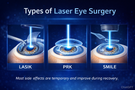
Now, here’s where LASIK, PRK, and TransPRK differ. While all three use similar laser technology, the way they access and treat the cornea varies significantly. LASIK involves creating a thin flap in the cornea, while PRK removes the outer layer entirely before reshaping. TransPRK takes it a step further by using a no-touch technique, where the laser does everything without surgical tools.
These differences may sound subtle, but they have a big impact on recovery time, comfort, and suitability. For instance, athletes or individuals in high-risk professions might prefer PRK or TransPRK because there’s no flap that could potentially shift. On the other hand, LASIK is famous for its quick recovery—many people notice improved vision within 24 hours.
Understanding these mechanics is like reading the instruction manual before buying a complex gadget. It helps you make a smarter decision, one that aligns with your lifestyle and expectations.
What Is LASIK?
LASIK (Laser-Assisted In Situ Keratomileusis) is arguably the most well-known form of laser eye surgery—and for good reason. It’s fast, relatively painless, and delivers quick results, making it the go-to choice for millions worldwide. But what actually happens during a LASIK procedure? Let’s break it down in a way that feels less intimidating and more like a guided walkthrough.
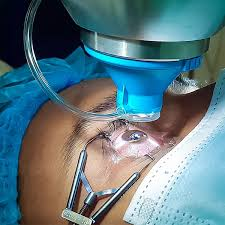
The process begins with your surgeon creating a thin, circular flap on the cornea. We typically create the flap using either a microkeratome blade or a femtosecond laser, with the latter offering greater precision and advanced technology. We then gently lift the flap to expose the underlying corneal tissue. This is where the magic happens—the excimer laser reshapes the cornea based on your specific prescription.
Think of it like editing a photo in Photoshop. The laser makes microscopic adjustments to correct imperfections, ensuring light focuses correctly on your retina. Once the reshaping is complete, the flap is placed back into position, where it naturally adheres without stitches. The entire procedure usually takes less than 15 minutes for both eyes, which is surprisingly quick for something so transformative.
One of the biggest reasons people choose LASIK is the rapid recovery time. Many patients report significantly improved vision within 24 to 48 hours, with minimal discomfort. You might feel a slight burning or itching sensation initially, but it typically fades quickly.
However, LASIK isn’t for everyone. Individuals with thin corneas, severe dry eyes, or certain medical conditions may not be ideal candidates. That’s why a thorough eye examination is crucial before deciding. It’s not just about convenience—it’s about ensuring the procedure is safe and effective for your unique eye structure.
Benefits and Risks of LASIK:
LASIK has built a reputation as a reliable and efficient vision correction method, but like any medical procedure, it comes with both advantages and potential downsides. Understanding both sides of the coin helps you make an informed decision rather than relying solely on marketing promises.
Let’s start with the benefits. The most obvious one is fast visual recovery. Many patients can return to normal activities within a day or two, which is a huge plus if you have a busy lifestyle. The procedure is also virtually painless, thanks to numbing eye drops used during surgery. Another major advantage is its high success rate—studies show that over 96% of LASIK patients achieve 20/20 vision or better.
There’s also the convenience factor. Imagine traveling without worrying about contact lenses or waking up and instantly seeing the world clearly. For many, LASIK feels like gaining a new level of freedom. It’s not just about vision—it’s about lifestyle enhancement.
But here’s where things get real. LASIK isn’t completely risk-free. Some patients experience dry eyes, glare, halos, or night vision issues, especially in the early stages of recovery. While these symptoms usually improve over time, they can be bothersome. There’s also a small risk of complications related to the corneal flap, such as displacement or infection.
Another point worth considering is that LASIK results are generally permanent, but your eyes can still change with age. Conditions like presbyopia (age-related difficulty focusing on close objects) can still develop later in life.
So, is LASIK worth it? For many people, absolutely. But it’s not a one-size-fits-all solution. Weighing the pros and cons carefully ensures you’re making a choice that aligns with your expectations and eye health.