

Introduction:
Thinking about ditching your glasses or contact lenses? Laser treatment for eyes—commonly known as LASIK—has changed the lives of millions worldwide. laser treatment for eyes age limit Here’s the big question: Is there an age limit for laser eye surgery? Yes, age plays an important role in whether you’re eligible or not. Let’s break it down in simple terms.
Understanding Laser Eye Surgery:
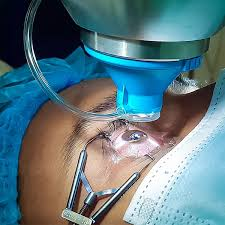
Laser eye surgery reshapes the cornea (the front part of your eye) so light focuses correctly on the retina, giving you clear vision.
The most popular procedures include:
- LASIK – The most common and quick recovery option.
- PRK (Photorefractive Keratectomy) – Better for people with thin corneas.
- SMILE (Small Incision Lenticule Extraction) – A minimally invasive, newer option.
All of them help reduce dependence on glasses or contact lenses, but eligibility depends on more than just the type of surgery—it depends on your age and eye health too.
Minimum Age Requirement for Laser Eye Surgery:
Most clinics recommend you be at least 18 years old before undergoing LASIK. Why? Because before this age, your eyes are still developing.
Doctors prefer patients to be:
- 18+ years old (legally eligible).
- With a stable prescription for at least 1–2 years.
Getting LASIK too early may mean your eyesight continues to change, leading to the need for another surgery later.
Maximum Age Limit for Laser Eye Surgery:
Unlike the minimum limit, there’s no strict maximum age for laser surgery. However, most surgeons are cautious after 60 years because of age-related eye changes.
That said, many patients in their 40s, 50s, and even 60s still get laser treatment safely—if they don’t have other eye problems like cataracts or glaucoma.
Why Age Matters in Laser Eye Treatment:
So why does age make a difference? Three main reasons:
- Eye Development – Younger patients’ eyes may still be changing.
- Presbyopia – The natural loss of near vision after 40.
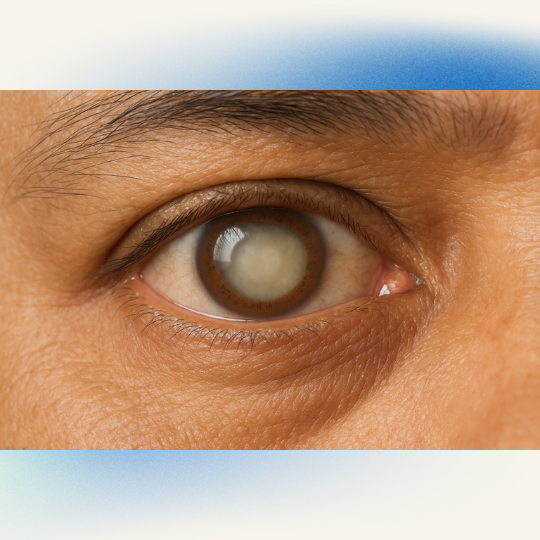
- Cataracts – Clouding of the lens, common after 60, which makes LASIK less useful.
Ideal Age Range for Laser Eye Surgery:
The “sweet spot” for laser surgery is usually 20–40 years.
Why? Because:
- Eye power is usually stable.
- Risk of presbyopia hasn’t kicked in yet.
- Corneas are generally healthy.
This is why most people choose to get LASIK in their 20s or 30s.
Laser Surgery in Teenagers:
Parents often ask: Can my teenager get LASIK?
The short answer is not recommended. Even if legally allowed at 18, most doctors suggest waiting until 21 years or older for extra safety. Early treatment carries risks of regression (where eyesight changes again).
Laser Surgery After 40:
After 40, things get tricky. Presbyopia sets in, meaning you may still need reading glasses even after LASIK.
However, there are solutions:
- Monovision LASIK (one eye corrected for distance, the other for near).
- Blended vision techniques.
Your doctor will explain what works best for your lifestyle.
Laser Surgery After 60:
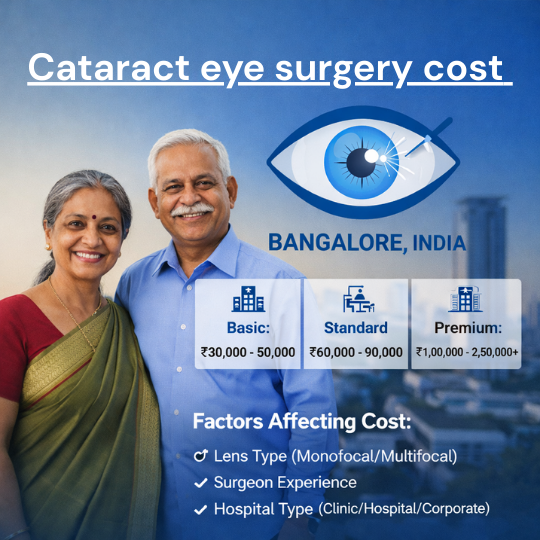
By 60+, many people develop cataracts, making LASIK less effective. Instead of laser correction, doctors may recommend cataract surgery with premium intraocular lenses (IOLs), which can also correct refractive errors.
So, while LASIK itself may not be ideal, you still have options to reduce dependence on glasses.
Medical Conditions That Affect Eligibility:
Age isn’t the only factor. Some conditions may limit eligibility:
- Diabetes (if uncontrolled).
- Glaucoma.
- Severe dry eye disease.
- Thin corneas.
A detailed eye exam is always necessary.
Other Factors Beyond Age:
Even if you’re in the “ideal” age group, you may still not qualify if:
- Your prescription keeps changing.
- Your cornea is too thin.
- You have serious eye health issues.
This is why one-size-fits-all answers don’t work—personalized assessment is key.
Laser Eye Surgery Safety by Age:
- In younger patients – Risk of regression.
- In older patients—risk of presbyopia and cataracts.
That’s why your doctor will carefully weigh the pros and cons before suggesting treatment.
Advancements in Laser Technology
The good news? Technology keeps improving.
- SMILE and custom LASIK allow safer surgery even in borderline cases.
- Topography-guided treatments give more precision.
This means eligibility is broader now than it was 10–15 years ago.
Consultation and Eye Check-up
At the end of the day, your doctor’s evaluation matters more than your age. During consultation, they’ll check:
- Corneal thickness.
- Prescription stability.
- Overall eye health.
Only after these tests will they decide if laser surgery is safe for you.
Conclusion
So, what’s the bottom line?
- Minimum age: 18 (better after 21).
- Best age range: 20–40 years.
- Over 40: Still possible, but presbyopia may need special solutions.
- Over 60: Cataract surgery may be a better choice.
Age is important, but it’s not the only factor. The key is getting a proper check-up and discussing your lifestyle and vision goals with your doctor.
FAQs:
1. What is the best age for LASIK?
The best age is usually 20–40 years, when your prescription is stable and your eyes are healthy.
2. Can a 16-year-old get laser surgery?
No, because the eyes are still developing. Most doctors won’t perform LASIK before 18 years.
3. Is 50 too old for LASIK?
Not necessarily. Many people in their 40s and 50s get LASIK, but presbyopia and eye health must be considered.
4. What if I have cataracts?
If you have cataracts, cataract surgery with premium lenses may be a better solution than LASIK.
5. Can laser surgery fix age-related vision problems?
Laser surgery mainly corrects nearsightedness, farsightedness, and astigmatism—not age-related presbyopia. But advanced options like monovision LASIK can help.