

Understanding Laser Eye Surgery
What Is Laser Eye Surgery?
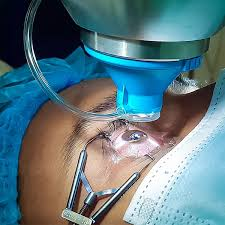
Laser eye surgery is a modern medical procedure designed to correct common vision problems like nearsightedness (myopia), farsightedness (hyperopia), and astigmatism. Instead of relying on glasses or contact lenses, this treatment reshapes the cornea so light focuses properly on the retina, resulting in clearer vision. Think of it like fine-tuning a camera lens—once adjusted correctly, everything comes into sharp focus without external help.
The procedure uses highly advanced laser technology to remove microscopic layers of corneal tissue with extreme precision. Over the years, it has become one of the most commonly performed elective surgeries worldwide. According to industry data, more than 40 million LASIK procedures have been performed globally, with consistently high satisfaction rates.
One of the biggest reasons people choose laser eye surgery is convenience. No more dealing with foggy glasses, misplaced frames, or dry contact lenses. It simplifies daily life in a way that’s hard to fully appreciate until experienced firsthand.
From a safety perspective, laser eye surgery is considered very reliable. With proper screening and an experienced surgeon, the chances of achieving 20/20 vision or better exceed 90–95% for many patients. The procedure is quick, usually painless, and completed within minutes.
Still, it’s not just about ditching glasses—it’s about improving how you interact with the world visually. Whether you’re working long hours on screens or leading an active lifestyle, clearer vision can significantly enhance your day-to-day experience.

How Laser Vision Correction Works
At its core, laser vision correction works by reshaping the cornea so that incoming light is properly focused onto the retina. When this focus is off, vision becomes blurry. The laser corrects this by subtly changing the curvature of the eye’s surface.
The process typically involves an excimer laser, which removes extremely thin layers of tissue with microscopic accuracy. Each pulse is so precise that it can adjust vision without affecting surrounding areas. In some procedures, a femtosecond laser is also used to create a thin corneal flap or internal lens structure.
Patients remain awake during the procedure, but numbing drops eliminate pain. You may feel slight pressure, but the process is generally comfortable. The laser itself works for less than a minute per eye, which surprises many first-time patients.
Modern techniques often include wavefront-guided technology, which maps tiny imperfections in your eye. This allows for highly personalized treatment, often resulting in sharper vision than glasses or contacts can provide.
Recovery is quick. Many people notice improved vision within 24 hours, although full stabilization may take a few weeks. The brain gradually adapts to the improved clarity, making the transition feel natural.
In simple terms, laser eye surgery doesn’t “add” anything to your eye—it refines what’s already there. It’s a precise adjustment that aligns your vision system to work the way it was meant to.
Types of Laser Eye Surgery
LASIK Surgery Explained
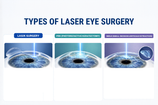
LASIK (Laser-Assisted In Situ Keratomileusis) is the most popular type of laser eye surgery. It’s known for its fast recovery, minimal discomfort, and immediate results. During LASIK, a thin flap is created on the cornea, lifted, and then reshaped using a laser before being placed back.
Most patients notice clearer vision within hours, and many return to normal activities within a day or two. It’s particularly effective for treating multiple vision issues at once, including astigmatism.
With satisfaction rates above 95%, LASIK continues to be the go-to option for people seeking quick and reliable vision correction.
PRK (Photorefractive Keratectomy)
PRK is an alternative to LASIK that doesn’t involve creating a corneal flap. Instead, the outer layer of the cornea is removed, and the laser reshapes the underlying tissue. The surface then heals naturally over time.
While recovery takes longer than LASIK, PRK is ideal for people with thin corneas or those involved in high-impact activities. The final results are just as effective, making it a strong option for many patients.
SMILE (Small Incision Lenticule Extraction)
SMILE is a newer, minimally invasive procedure. It involves creating a small lens-shaped tissue inside the cornea and removing it through a tiny incision. No flap is required.
This method offers greater corneal stability and reduced dryness. It’s especially effective for treating myopia and is quickly gaining popularity due to its precision and comfort.
Benefits of Laser Eye Surgery
Improved Vision Quality
The most obvious benefit is clear, sharp vision without dependence on glasses or contacts. Many patients also experience better contrast, improved night vision, and overall visual clarity.
It’s like upgrading your eyesight to high definition—everything appears more vivid and consistent throughout the day.
Long-Term Cost Savings
Although the upfront cost is higher, laser eye surgery often saves money over time. Here’s a quick comparison:
| Expense | Approx. 10-Year Cost |
|---|---|
| Contact Lenses | $6,000–$10,000 |
| Glasses | $3,000–$5,000 |
| Laser Surgery | $2,500–$4,000 |
Over the long term, it can be a financially smart decision.
Risks and Side Effects
Common Side Effects
Temporary effects like dry eyes, light sensitivity, and mild glare are common but usually resolve within weeks. Following aftercare instructions helps speed up recovery.
Rare Complications
Serious complications are rare (less than 1%). These may include infection or vision irregularities, but they are typically manageable with proper care and follow-up.
Eligibility Criteria for Laser Eye Surgery
Age and Eye Health Requirements
Ideal candidates are over 18, have stable vision, and maintain good eye health. A detailed eye exam determines eligibility.
Who Should Avoid Laser Surgery
Pregnant people, people with unstable vision, or certain medical conditions may need to delay or avoid the procedure.
Preparation Before Surgery
Pre-Surgery Consultation
A thorough eye exam, corneal mapping, and discussion of expectations ensure the right treatment plan.
Lifestyle Adjustments Before Procedure
Avoid contact lenses before surgery, get proper rest, and follow all medical instructions for best results.
The Laser Eye Surgery Procedure
Step-by-Step Process
The procedure involves numbing drops and laser reshaping, and takes about 10–20 minutes total. It’s quick and precise.
Duration and What to Expect
Vision improves within a day for most patients. Mild discomfort may occur initially but fades quickly.
Recovery After Laser Eye Surgery
Immediate Post-Surgery Care
Use prescribed drops, avoid rubbing your eyes, and rest. Sunglasses help with light sensitivity.
Long-Term Recovery Tips
Keep eyes hydrated, attend follow-ups, and protect them from dust and UV exposure.
Cost of Laser Eye Surgery
Price Breakdown by Procedure Type
Costs vary by procedure, typically ranging from $1,200 to $4,000 per eye, depending on technology and expertise.
Is It Worth the Investment?
For many, the convenience, clarity, and long-term savings make it a worthwhile investment.
Conclusion
Laser eye surgery offers a safe, effective, and long-term solution for vision correction. With advanced technology, high success rates, and quick recovery, it continues to be a preferred choice for millions seeking visual freedom.
FAQs
1. Will I feel pain during laser eye surgery?
No—your eyes are numbed with drops, so you won’t feel pain. You might notice slight pressure, but it’s very manageable.
2. How quickly will I see results?
Most people notice clearer vision within 24 hours, especially with LASIK. Full clarity improves over a few weeks.
3. Is the result permanent?
Yes, the correction is long-lasting. However, natural aging changes in vision can still happen later in life.
4. Can I stop wearing glasses completely?
In most cases, yes. Some people may still need glasses for reading as they age.
5. Is laser eye surgery safe?
Yes, it’s one of the safest elective procedures, with very high success and satisfaction rates.