
What is LASIK?
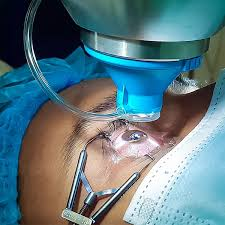
LASIK (Laser-Assisted in Situ Keratomileusis) is a popular laser eye surgery that corrects common vision problems like nearsightedness (myopia), farsightedness (hyperopia), and astigmatism.
How does LASIK work?
A surgeon uses a highly precise laser to reshape your cornea, allowing light to focus correctly on the retina. This gives you clearer, sharper vision—often without glasses or contact lenses.
The Science Behind LASIK Permanence:
Reshaping the cornea
The laser changes the shape of your cornea permanently. Once removed, corneal tissue doesn’t grow back, meaning the correction is designed to last.
Long-term changes in eye structure
Even though the cornea is permanently reshaped, other parts of your eye—like the lens—continue to age, which may affect vision over time.
Factors That Influence LASIK Permanency:
Age at the time of surgery
Patients in their early 20s often still experience vision changes. That’s why most surgeons recommend LASIK after your prescription has been stable for at least a year or two.
Eye health conditions
If you have progressive eye diseases like keratoconus, glaucoma, or severe dry eyes, results may not last as long.
Prescription stability
The more stable your prescription, the better chance LASIK will give you long-term results.
How Long Does LASIK Last?
Average duration of LASIK results
For most patients, LASIK results last 10–20 years or more, often a lifetime.
Why some patients need enhancements
Around 5–10% of patients may require a touch-up or enhancement surgery years after the initial procedure, especially if vision changes naturally with age.
Common Myths About LASIK Permanence:
“LASIK cures vision forever.”
While LASIK permanently corrects your current prescription, it can’t stop your eyes from aging naturally.
“You will never need glasses again.”
Many people enjoy years without glasses, but after age 40, presbyopia (difficulty seeing close objects) can require reading glasses, regardless of LASIK.
What Can Cause Vision Changes After LASIK?
Natural aging (presbyopia & cataracts)
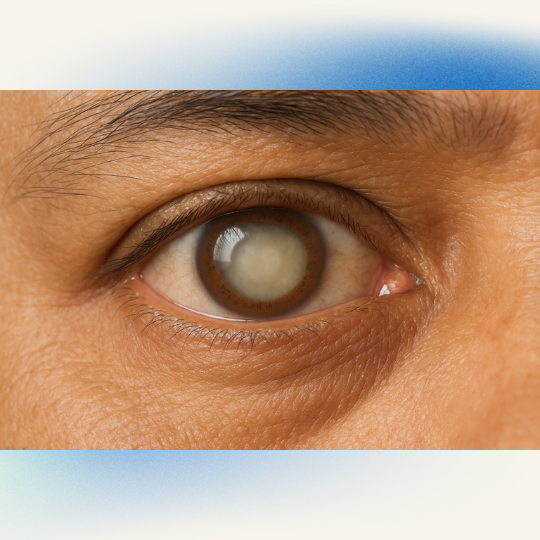
Your eye’s lens stiffens with age, leading to presbyopia. Later in life, cataracts may cloud your vision. LASIK cannot prevent these.
Lifestyle factors (screen use, health conditions)
Excessive screen time, diabetes, or hormonal changes may influence long-term results.
Rare regression cases
In some people, the cornea slightly shifts back toward its original shape, leading to mild regression.
LASIK Enhancements and Touch-Up Procedures:
When are enhancements required?
If your vision changes significantly years after surgery, you might qualify for a LASIK enhancement.
How safe are touch-ups?
Modern enhancements are generally safe and effective, with a quicker recovery compared to the first procedure.
Comparing LASIK With Other Vision Correction Options:
PRK (Photorefractive Keratectomy)
PRK reshapes the cornea without creating a flap. Results are also permanent but with longer recovery.
SMILE Surgery
SMILE is a minimally invasive option, offering similar permanency with smaller incisions.
Implantable Contact Lenses (ICL)
Unlike LASIK, ICL involves placing a lens inside your eye, which can be reversed or replaced.
Tips to Maintain Good Vision After LASIK:
- Regular eye check-ups – Detect early changes.
- Protecting eyes from strain and UV rays – Sunglasses and screen breaks help.
- Healthy lifestyle choices – Proper sleep, hydration, and diet support eye health.
Who Is an Ideal Candidate for Permanent LASIK Results?
- Aged 21–40 with stable prescription
- No major eye diseases
- Good corneal thickness
- Realistic expectations about results
Risks and Limitations of LASIK Permanence
While rare, some risks include:
- Dry eyes
- Night glare or halos
- Need for reading glasses later in life
Patient Experiences – Realistic Expectations
Most patients enjoy 20/20 or near-perfect vision for years. The key is understanding that LASIK gives you freedom from glasses—but doesn’t freeze your eyes in time.
Cost vs. Value of LASIK Permanency
LASIK may seem costly upfront, but compared to decades of buying glasses or contact lenses, it’s often more cost-effective in the long run.
Final Thoughts – Is LASIK Worth It?
Yes, LASIK is permanent in terms of reshaping your cornea and correcting your vision. But remember, natural eye changes with age still occur. If you go in with the right expectations, LASIK can be life-changing.
Conclusion:
LASIK offers long-lasting, often permanent vision correction, but it doesn’t stop natural aging changes in your eyes. Most people enjoy crystal-clear vision for decades after surgery, with only occasional touch-ups needed. If you’re eligible and want freedom from glasses or contacts, LASIK can be one of the best decisions you’ll ever make for your eyes.
FAQs:
1. Is LASIK permanent after one surgery?
Yes, the cornea reshaping is permanent, but vision may still change with age.
2. Can LASIK wear off over time?
It doesn’t “wear off,” but natural eye changes can affect vision.
3. How long does LASIK last on average?
Most patients enjoy clear vision for 10–20 years or more.
4. Can I get LASIK again if my vision changes?
Yes, enhancements or touch-ups are possible if your cornea is healthy.
5. Will I still need glasses after LASIK?
Possibly—especially for reading after age 40 due to presbyopia.