

Introduction:
Waking up and seeing the world clearly without reaching for glasses feels almost magical to many people. Imagine opening your eyes in the morning and instantly reading the clock across the room without squinting. That dream has become reality for millions thanks to modern eye surgery for eyesight correction. Over the last decade, vision correction procedures have evolved rapidly, becoming safer, faster, and more accurate than ever before. From students and IT professionals to athletes and busy parents, more people are considering laser eye surgery to improve their daily lives.
Modern refractive surgeries now use AI-assisted tracking systems, ultra-precise lasers, and customized corneal mapping technologies that can treat vision issues within seconds. Recent reports suggest that over 90% of LASIK patients achieve 20/20 vision or better, while patient satisfaction rates continue to remain above 95%. The rise in digital screen usage, increasing dependence on glasses, and growing awareness about advanced eye care have all contributed to the popularity of these procedures.
Still, many people hesitate because they are unsure about the risks, costs, or whether they are suitable candidates. Questions like “Is eye surgery painful?”, “How long does recovery take?”, or “Will my eyesight stay permanent?” are incredibly common. This detailed guide answers all those questions in a simple and practical way. Whether you are exploring LASIK, SMILE, PRK, or ICL surgery, this article will help you understand everything about modern eyesight correction surgery in 2026.

Understanding Eye Surgery for Vision Correction:
Eye surgery for eyesight correction, also known as refractive surgery, is designed to reduce or eliminate the need for glasses and contact lenses. These procedures work by reshaping the cornea or implanting corrective lenses inside the eye so that light focuses correctly on the retina. When light enters the eye properly, vision becomes clearer and sharper. Think of it like adjusting the focus ring on a camera lens. Once the focus is corrected, images appear crisp instead of blurry.
People usually seek vision correction surgery for conditions like nearsightedness (myopia), farsightedness (hyperopia), astigmatism, and age-related vision problems. Modern technology allows surgeons to customize treatments according to the patient’s corneal thickness, eye power, pupil size, and overall eye health. This level of personalization has dramatically improved surgical outcomes in recent years.
One major reason why eye surgeries have become more trusted is the advancement in laser precision. Modern femtosecond lasers can track eye movement thousands of times per second during surgery. That means even tiny involuntary eye movements are adjusted instantly, reducing the chances of human error. Procedures that once took nearly 30 minutes can now be completed in under 10 minutes for both eyes.
Another important factor is convenience. Glasses can fog up, break, or feel uncomfortable during sports and travel. Contact lenses require constant maintenance and may increase the risk of infections if not handled carefully. Vision correction surgery offers a long-term solution that many people describe as life-changing. While surgery may not be suitable for everyone, it has become one of the most popular elective procedures worldwide because of its effectiveness and relatively quick recovery time.
Types of Eye Surgery for Eyesight Improvement:
LASIK Eye Surgery
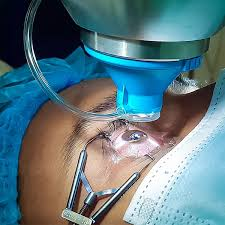
LASIK remains one of the most widely performed vision correction surgeries in the world. During the procedure, a thin flap is created on the cornea using a femtosecond laser. The surgeon then reshapes the underlying corneal tissue using an excimer laser before repositioning the flap. The entire process is usually painless because numbing eye drops are used beforehand.
f(x)=Corneal Reshaping for Vision Correction
Modern LASIK technology has improved significantly compared to older methods. AI-enhanced systems now create highly personalized treatment plans based on thousands of data points from the patient’s eye. According to recent data, more than 90% of LASIK patients achieve 20/20 vision or better, and satisfaction rates remain extremely high. Many patients notice dramatic improvements in vision within 24 hours after surgery.
LASIK is especially popular among professionals who want quick recovery. Most people return to work within one or two days. Athletes, pilots, and military personnel also commonly choose LASIK because it eliminates dependence on glasses during physically demanding activities. However, not everyone is an ideal candidate. People with very thin corneas, unstable eye power, or severe dry eyes may need alternative procedures.
SMILE Laser Eye Surgery:
SMILE, which stands for Small Incision Lenticule Extraction, is a newer minimally invasive procedure. Instead of creating a large corneal flap like LASIK, SMILE uses a laser to create a small lenticule inside the cornea, which is then removed through a tiny incision. Because the incision is smaller, some patients experience less dryness and faster corneal healing.
SMILE has gained popularity among younger adults and people with active lifestyles. Since there is no flap involved, there is less concern about flap-related complications during contact sports or accidents. The surgery is quick, usually lasting only a few minutes per eye, and recovery is relatively comfortable.
Recent studies comparing advanced LASIK and SMILE procedures show strong success rates for both techniques. SMILE is especially effective for treating moderate to high myopia. Patients often describe the experience as surprisingly simple because there are no stitches, injections, or bandages involved.
PRK Surgery:
PRK, or Photorefractive Keratectomy, was actually developed before LASIK and is still widely used today. Unlike LASIK, PRK does not involve creating a corneal flap. Instead, the thin outer layer of the cornea is removed before laser reshaping begins. Over the next few days, the surface naturally heals itself.
PRK is often recommended for people with thinner corneas who may not qualify for LASIK. Athletes and military candidates sometimes prefer PRK because there is no corneal flap that could potentially shift later. The results can be just as effective as LASIK, although recovery takes slightly longer.
The first few days after PRK may involve mild discomfort, light sensitivity, and blurry vision. Patients usually need around one to two weeks before vision stabilizes enough for daily activities. Even though healing is slower, PRK remains a highly reliable and proven vision correction method.
Implantable Contact Lens (ICL) Surgery:
ICL surgery is different from laser procedures because it involves placing a tiny corrective lens inside the eye rather than reshaping the cornea. This option is particularly useful for people with very high eye power or thin corneas. The implanted lens works alongside the eye’s natural lens to improve focus and clarity.
Many patients like ICL because the procedure is reversible. If needed, the lens can be removed or replaced in the future. Vision quality after ICL is often described as extremely sharp, especially for people with severe myopia. The surgery is also suitable for patients who are not ideal LASIK candidates.
ICL technology has advanced considerably in recent years, offering improved comfort and safety. Recovery is generally quick, and many patients notice clearer vision within a day or two. While ICL tends to cost more than LASIK or SMILE, it can provide excellent long-term results for the right candidates.
Who Is the Right Candidate for Eye Surgery?
Not everyone with glasses automatically qualifies for vision correction surgery. A proper eye evaluation is essential before deciding on any procedure. Eye surgeons typically assess factors such as corneal thickness, prescription stability, eye dryness, retinal health, and overall medical history.
Age is one of the most important considerations. Most surgeons prefer patients to be at least 18 years old because eye power tends to fluctuate during teenage years. Stable vision for at least one year is usually required before surgery. Performing surgery on unstable prescriptions may lead to regression later.
Certain medical conditions may also affect eligibility. Severe dry eyes, uncontrolled diabetes, autoimmune disorders, keratoconus, and some retinal diseases can increase surgical risks. Pregnant or breastfeeding women are often advised to postpone surgery because hormonal changes can temporarily affect vision stability.
A detailed eye examination helps determine the safest and most effective procedure for each individual. Modern diagnostic tools can map thousands of points on the cornea to create personalized treatment plans. This customized approach is one reason why modern vision correction surgeries continue to achieve high success rates.
Benefits of Vision Correction Surgery:
One of the biggest advantages of eye surgery is freedom from glasses and contact lenses. For many people, this freedom goes beyond convenience. It can improve confidence, sports performance, travel experiences, and even career opportunities. Imagine swimming without prescription goggles or waking up during a flight and instantly seeing clearly. These everyday moments become much easier after successful vision correction.
Patients often describe improved confidence after surgery. Glasses can sometimes feel restrictive, especially during social events, outdoor activities, or professional settings. While glasses are fashionable for some, others find them frustrating during workouts, rain, or long working hours.
Another major benefit is cost savings over time. Glasses, contact lenses, cleaning solutions, and regular prescription updates can become expensive over the years. Although surgery involves an upfront investment, many patients feel it becomes financially worthwhile in the long run.
Modern surgeries also provide rapid recovery and impressive visual outcomes. Studies show that more than 99% of patients achieve vision good enough for driving without glasses after LASIK. Advances in laser technology continue to improve precision, safety, and long-term satisfaction.
Risks and Side Effects of Eye Surgery:
Like any medical procedure, eye surgery also comes with risks. Most side effects are temporary and improve during the healing process, but patients should still understand them clearly before making a decision.
Dry eyes are one of the most common side effects after LASIK and SMILE surgery. Some patients also experience glare, halos, or difficulty with night vision during the initial recovery period. These symptoms usually improve over several weeks or months as the eyes heal.
Serious complications are rare but possible. Infection, flap complications, under-correction, over-correction, or regression may occasionally occur. Recent reports suggest serious complication rates remain below 1% for modern LASIK procedures. Choosing an experienced surgeon and following post-operative instructions carefully can significantly reduce these risks.
Online discussions about LASIK often show both highly satisfied patients and people who experienced complications. This is why realistic expectations are important. Surgery can dramatically improve vision, but no procedure can guarantee perfection for every patient.
Eye Surgery Cost in India:
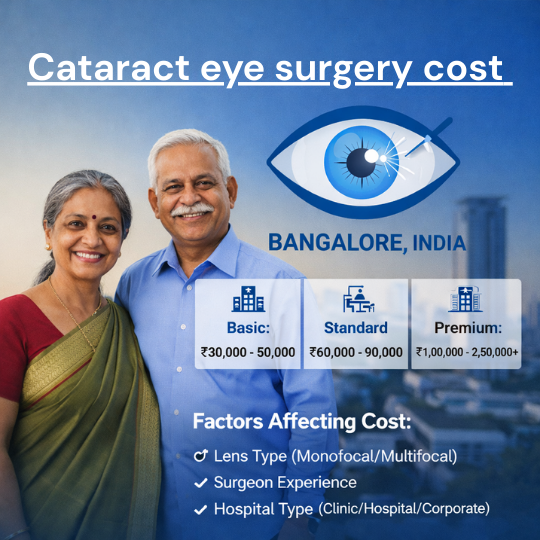
The cost of eye surgery in India varies depending on the technology used, surgeon expertise, hospital reputation, and the patient’s eye condition. Premium customized treatments generally cost more because they involve advanced diagnostic systems and high-end laser platforms.
Cost Comparison Table
| Surgery Type | Approximate Cost in India |
|---|---|
| LASIK | ₹25,000 – ₹80,000 |
| Femto LASIK | ₹60,000 – ₹120,000 |
| SMILE Surgery | ₹80,000 – ₹150,000 |
| Contoura Vision | ₹90,000 – ₹150,000 |
| ICL Surgery | ₹150,000 – ₹350,000 |
Pricing also depends on whether both eyes are included, pre-operative tests, medications, and follow-up visits. Some premium hospitals use AI-enhanced laser systems that improve precision and treatment speed, which may increase the overall cost.
Patients should avoid choosing surgery based only on the lowest price. Eye surgery is not like shopping for a mobile phone where discounts matter more than quality. Experience, technology, safety standards, and surgeon expertise are far more important when it comes to your eyesight.
Recovery After Eye Surgery
Recovery after vision correction surgery is usually much faster than people expect. Many LASIK patients can see clearly within a few hours after the procedure. However, full stabilization may take several weeks depending on the surgery type and individual healing response.
During the first few days, patients are advised to avoid rubbing their eyes, swimming, heavy workouts, and excessive screen time. Eye drops play a critical role in preventing dryness and reducing infection risk. Wearing protective sunglasses outdoors also helps during the healing phase.
Sleep and hydration are surprisingly important for recovery. Your eyes heal more efficiently when your body is well-rested and hydrated. Some patients notice fluctuating vision during the first month, which is completely normal. Online patient experiences often describe temporary glare or ghosting that gradually disappears over time.
Follow-up appointments are essential after surgery. These visits help surgeons monitor healing and ensure there are no complications. Most people can return to office work within a day or two after LASIK or SMILE, while PRK may require a longer recovery period.
Latest Technologies in Eye Surgery in 2026
The field of refractive surgery is evolving rapidly. AI-powered diagnostics, advanced eye-tracking systems, and topography-guided lasers are transforming how surgeons plan and perform procedures. Modern systems can map over 22,000 points on the cornea for incredibly precise customization.
One of the biggest breakthroughs is AI-assisted LASIK planning. These systems analyze corneal shape, eye movement, pupil dynamics, and visual behavior patterns to predict surgical outcomes more accurately. Treatment times have also become much shorter. Some advanced laser platforms now complete vision correction in less than 10 seconds per eye.
Customized procedures like Contoura Vision and Wavefront-guided LASIK are designed to improve not only visual clarity but also contrast sensitivity and night vision quality. This means patients may experience sharper and more natural-looking vision compared to older laser systems.
The future of eye surgery looks even more exciting. Researchers continue exploring robotic assistance, smarter AI algorithms, and regenerative corneal therapies that could make procedures even safer and more personalized.
How to Choose the Best Eye Surgeon
Choosing the right surgeon is one of the most important decisions in your vision correction journey. Even the best technology cannot replace experience and proper patient evaluation. A skilled surgeon knows when to recommend surgery and when to advise against it.
Start by checking the surgeon’s qualifications, experience, and specialization in refractive surgery. Ask how many procedures they have performed and what technologies they use. Reputable eye hospitals usually provide comprehensive evaluations before suggesting surgery.
Pay attention to patient reviews and consultation quality. A trustworthy surgeon will explain both benefits and risks honestly instead of pressuring you into immediate surgery. They should discuss alternative options if you are not an ideal candidate for a particular procedure.
You should also evaluate the hospital’s diagnostic equipment and follow-up care. Advanced imaging systems and proper post-operative monitoring contribute significantly to surgical safety and long-term satisfaction.
Conclusion:
Eye surgery for eyesight correction has transformed millions of lives around the world. Procedures like LASIK, SMILE, PRK, and ICL now offer faster recovery, higher precision, and better safety than ever before. Modern technologies powered by AI and advanced laser systems continue pushing the boundaries of what vision correction can achieve.
Still, surgery is not a one-size-fits-all solution. The best outcomes happen when patients undergo thorough evaluations, choose experienced surgeons, and maintain realistic expectations. While risks exist, modern success rates remain remarkably high for suitable candidates.
For people tired of depending on glasses or contact lenses, vision correction surgery can feel like opening a new chapter in life. Clear vision changes daily experiences in ways that many patients never fully appreciate until after the procedure. From morning routines to travel adventures, the freedom of seeing clearly without assistance can truly be life-changing.
FAQs:
1. Is eye surgery for eyesight painful?
Most vision correction surgeries are not painful because numbing eye drops are used. Patients may feel mild pressure during the procedure and temporary discomfort afterward.
2. How long does LASIK surgery take?
LASIK usually takes around 10 to 15 minutes for both eyes, while the laser treatment itself may last only a few seconds per eye.
3. Can eyesight return after laser surgery?
Some patients may experience minor regression over time, especially if their prescription was very high before surgery. Enhancement procedures may sometimes be required.
4. Which eye surgery is best for high power?
ICL surgery is often recommended for people with very high eye power or thin corneas who may not qualify for LASIK.
5. How soon can I use a mobile phone after eye surgery?
Most surgeons recommend limiting screen usage for the first 24 hours after surgery. Moderate usage is usually allowed after that with regular lubrication drops.