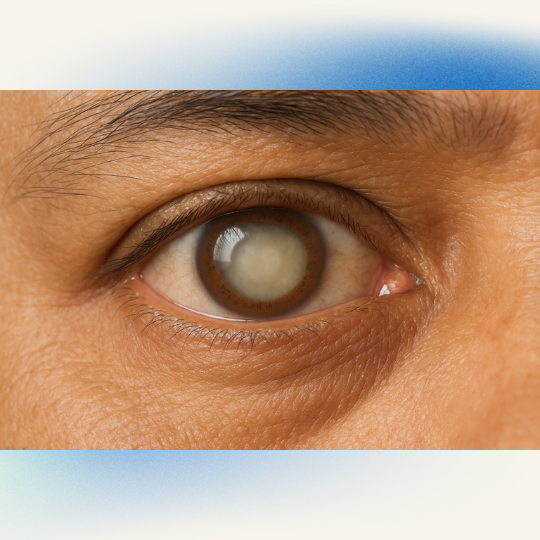

Introduction—Why Screens Make Your Eyes Hurt
We live in a world where screens are everywhere—computers, smartphones, TVs, and tablets. Whether it’s for work, study, or leisure, most of us spend hours staring at them. But after a while, your eyes start feeling sore, heavy, or even burning. That’s your body’s way of saying, “Hey, I need a break!”
The Modern Digital Lifestyle
From morning alarms on your phone to late-night Netflix, our eyes rarely get screen-free time. This constant visual demand is tough on them.
How Screens Impact Your Eyes
Looking at a screen is not the same as looking at a book or a distant view. Your eyes have to work harder to focus, and the blue light from screens can strain them further.
Understanding Digital Eye Strain (Computer Vision Syndrome)
What It Is and How Common It Is
Digital eye strain, also called computer vision syndrome, happens when your eyes get tired from long hours of digital device use. Studies suggest that more than 50% of computer users experience it.
Symptoms Beyond Eye Pain
- Dry, itchy eyes
- Headaches
- Blurred vision
- Neck and shoulder pain

Common Causes of Eye Pain After Screen Use
Prolonged Focusing and Reduced Blinking
When you’re glued to your screen, your blink rate drops by almost half. This means less moisture on your eyes, leading to dryness and discomfort.
Blue Light Exposure
Screens emit high-energy blue light that can cause fatigue and disrupt sleep patterns.
Poor Lighting and Glare
If your screen is too bright or your room lighting is poor, your eyes have to work harder to adjust.
Incorrect Screen Distance and Posture
Sitting too close or too far from your screen forces your eyes into awkward focusing positions.
Uncorrected Vision Problems
Even mild vision problems, if left uncorrected, can make screen use more tiring.

Risk Factors That Make It Worse
Age and Eye Health History
Older adults are more prone to dry eyes and focusing issues, making them more vulnerable.
Pre-Existing Dry Eye Condition
If you already have dry eyes, screen time can make it worse.
Long Uninterrupted Screen Sessions
The longer you go without a break, the more strain builds up.
Immediate Relief for Eye Pain After Screen Use
The 20-20-20 Rule
Every 20 minutes, look at something 20 feet away for 20 seconds. It’s like a mini vacation for your eyes.
Artificial Tears and Lubrication
Eye drops can give instant comfort, especially if dryness is the main culprit.
Warm Compress for Tired Eyes
A warm, damp cloth placed over your eyes for a few minutes can relax eye muscles and improve blood flow.
Long-Term Prevention Strategies Eye Pain After Screen Use
Adjusting Screen Brightness and Contrast
Match your screen brightness to your environment. Too bright or too dim forces your eyes to work harder.
Ergonomic Workstation Setup
Your screen should be at eye level and about 20–24 inches away from your face.
Using Blue Light Filter Glasses or Software
These reduce blue light exposure and can help with long-term comfort.
Regular Comprehensive Eye Exams
A yearly checkup ensures your prescription is up to date and catches early signs of problems.
Lifestyle Habits for Better Eye Health
Staying Hydrated
Your body (and eyes) needs enough water to stay lubricated.
Including Eye-Friendly Nutrients in Your Diet
Foods rich in omega-3 fatty acids, vitamin A, and lutein can strengthen eye health.
Reducing Unnecessary Screen Time
Set screen-free hours, especially before bedtime.
When to See an Eye Doctor
Warning Signs You Should Not Ignore
- Persistent eye pain even after rest
- Sudden changes in vision
- Sensitivity to light
- Redness and swelling
Conclusion
Eye pain after screen use is your body’s way of telling you to slow down. With a few adjustments—like following the 20-20-20 rule, using proper lighting, and keeping your eyes hydrated—you can protect your vision and work more comfortably. Your eyes work hard for you every day; give them the care they deserve.
FAQs
1. Can blue light glasses really help with eye strain?
Yes, they can reduce glare and filter out some blue light, which may help with comfort.
2. How long should I rest my eyes after screen use?
Take short breaks every 20 minutes and a longer 10–15 minute break every 2 hours.
3. Is eye pain from screens permanent?
In most cases, it’s temporary and improves with rest and good habits.
4. Can eye exercises help with screen-related pain?
Yes, exercises like focusing on near and far objects can relax eye muscles.
5. Should I see a doctor for mild eye strain?
If symptoms persist for more than a week despite home remedies, see an eye specialist.