
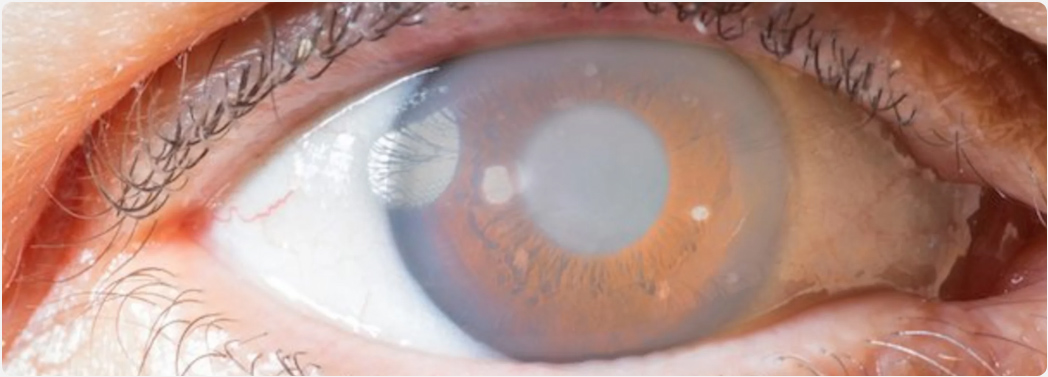
Early Signs of Glaucoma in Adults:
Glaucoma is one of the leading causes of irreversible blindness, yet most adults don’t realize they have it until the disease is already advanced. The early signs of glaucoma in adults can be subtle, slow, and easy to ignore. That’s why understanding these warning signals is essential for protecting your long-term vision—especially as you age.
Understanding Early Signs of Glaucoma in Adults:
What Is Glaucoma? A Quick, Clear Definition
Glaucoma is an eye disorder where fluid buildup increases pressure inside the eye. Over time, this pressure damages the optic nerve—the part of the eye responsible for sending visual signals to the brain. Without treatment, the damage becomes permanent.
Why Adults Are at Higher Risk
Adults over 40 naturally experience structural changes in the eye. Fluid drainage becomes less efficient, the optic nerve weakens, and age-related conditions like diabetes can accelerate pressure buildup.
Most Common Early Signs of Glaucoma in Adults
1. Gradual Loss of Peripheral Vision
One of the earliest and most common signs.
People often describe it as
- “Tunnel vision”
- Difficulty noticing objects on the side
- Bumping into corners or frames
This change happens so slowly that many adults don’t realize it until a doctor points it out.
2. Blurry or Foggy Vision
Vision may feel cloudy, especially in the morning.
This is caused by temporary fluid pressure fluctuations inside the eye.
3. Difficulty Adapting to Low Light
You may notice:
- Trouble seeing clearly at dusk
- Needing extra time for your eyes to adjust when entering a dim room
- Struggling to drive at night
This happens because the optic nerve has trouble processing signals efficiently.
4. Eye Pain or Pressure Sensation
This doesn’t always appear early, but when it does, it should never be ignored.
The pain may feel like:
- A deep ache behind the eye
- Tension or heaviness
- A feeling of “tightness”
5. Halos Around Lights
Seeing rainbow-colored rings around headlights or streetlamps is a common early red flag.
6. Frequent Headaches
Headaches—especially around the temples or brow area—can occur when eye pressure fluctuates.
7. Redness and Irritation
This is not always severe but may accompany pressure changes.
8. Sudden Vision Changes (Medical Emergency)
Symptoms like
- Sudden blurry vision
- Severe eye pain
- Nausea and vomiting
often indicate acute angle-closure glaucoma, which requires immediate medical attention.
Root Causes and Risk Factors:
Genetic Predisposition
If glaucoma runs in your family, you are significantly more likely to develop it.
Age-Related Eye Structure Changes
After age 40, the drainage angle narrows, and fluid can build more rapidly.
Health Conditions That Increase Risk
- Diabetes
- Hypertension
- Thyroid disease
- Severe nearsightedness
Lifestyle factors like long-term steroid use and poor sleep patterns may also contribute.
How Glaucoma Progresses Without Warning:
Why It’s Called the “Silent Thief of Sight”
Glaucoma often progresses slowly—sometimes over decades—without noticeable pain or symptoms.
Damage to the Optic Nerve Explained Simply
Once optic nerve fibers die, they cannot regenerate. This is why early detection is essential.
How Glaucoma Is Diagnosed in Adults:
Eye Pressure Test (Tonometry)
Measures intraocular pressure using a gentle puff of air or contact device.
Visual Field Testing
Helps detect blind spots and peripheral vision loss.
Imaging of the Optic Nerve
Modern tools like OCT scans provide detailed maps of the optic nerve’s structure.
Treatment Options for Early Glaucoma:
Prescription Eye Drops
Most patients begin treatment with medicated eye drops that reduce fluid production or increase drainage.
Laser Treatments
Advanced, minimally invasive lasers can:
- Open drainage channels
- Reduce pressure
- Slow disease progression
Surgical Approaches
Used when drops or lasers are not enough:
- Trabeculectomy
- Tube shunt surgery
- Minimally invasive glaucoma surgeries (MIGS)
Lifestyle & Home Prevention Tips:
Nutrition for Eye Health
Foods rich in antioxidants—like leafy greens, blueberries, and salmon—support optic nerve health.
Safe Exercise Habits
Light to moderate exercise improves eye pressure regulation. Avoid exercises where the head is positioned below the heart.
Avoiding Eye Strain
Follow the 20-20-20 rule:
Every 20 minutes, look at something 20 feet away for 20 seconds.
Additional research-based resources can be found from the American Academy of Ophthalmology (external link):
https://www.aao.org/eye-health
FAQs About Early Signs of Glaucoma in Adults:
1. Can glaucoma be detected early?
Yes. Regular eye exams are the best method, as early glaucoma often causes no noticeable symptoms.
2. Does glaucoma cause sudden blindness?
Not usually, unless you develop acute angle-closure glaucoma, which is a medical emergency.
3. Is glaucoma painful?
Open-angle glaucoma is typically painless, while angle-closure glaucoma can be extremely painful.
4. How often should adults get tested for glaucoma?
Experts recommend a comprehensive eye exam every 1–2 years after age 40.
5. Can early glaucoma be reversed?
No, but early treatment can stop or slow further damage.
6. What is the first sign of glaucoma?
Most often, the earliest sign is loss of peripheral vision.
Conclusion: Protect Your Vision Early:
Recognizing the early signs of glaucoma in adults is one of the most effective ways to prevent permanent vision loss. Because glaucoma often develops silently, regular eye exams and early treatment play a critical role in preserving long-term eye health. If you’ve noticed any of the symptoms above, don’t wait—schedule an eye exam as soon as possible.