

Introduction:
Have you or someone you know been advised to take an Avastin injection for eye conditions or cancer treatment? While it’s an effective drug, many people worry about the Avastin injection side effects. This article dives deep into everything you need to know—from mild discomfort to rare but severe risks—so you can stay informed and prepared.

What is Avastin Injection?
Avastin (generic name: Bevacizumab) is a monoclonal antibody drug initially developed to treat certain types of cancer. It’s now widely used off-label to treat age-related macular degeneration (AMD) and other retinal diseases by reducing abnormal blood vessel growth.
How Does Avastin Work?
Avastin targets vascular endothelial growth factor (VEGF), a protein responsible for abnormal blood vessel growth. By blocking VEGF, Avastin prevents leakage and swelling in the retina, which helps maintain or improve vision.
Why is Avastin prescribed?
Uses in Eye Treatments
- Age-related macular degeneration (AMD)
- Diabetic macular edema (DME)
- Retinal vein occlusion
- Other conditions causing abnormal blood vessel growth in the eye
Uses in Cancer Treatments
- Colorectal cancer
- Lung cancer
- Kidney cancer
- Ovarian cancer
How is Avastin Injection Administered?
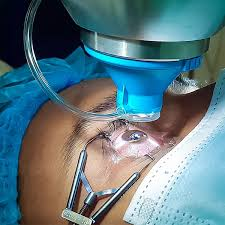
For eye conditions, Avastin is injected directly into the vitreous of the eye (intravitreal injection). The procedure is quick but must be performed by an experienced ophthalmologist under sterile conditions to avoid infections.
Common Side Effects of Avastin:
Most people tolerate Avastin well, but mild side effects may occur:
Mild Side Effects
- Eye redness or irritation
- Temporary blurry vision
- Increased eye pressure (short-term)
Temporary Discomfort
- Watery eyes
- Mild headache
- Light sensitivity
These usually resolve within a few days after the injection.
Serious Avastin injection side effects:
While rare, serious complications can occur and require immediate medical attention.
Eye-Related Complications
- Endophthalmitis (eye infection)
- Retinal detachment
- Eye inflammation or severe pain
- Sudden vision loss
Systemic Complications
- High blood pressure
- Increased risk of bleeding
- Stroke or blood clots (rare in eye treatments but more common in cancer patients)
Rare but Severe Side Effects
- Allergic reactions (swelling, difficulty breathing)
- Severe infection or pus discharge
- Severe swelling around the eye
- Heart attack (extremely rare)
Signs You Should Contact Your Doctor Immediately
- Sudden severe vision changes
- Intense pain or redness in the eye
- Signs of infection (fever, swelling, discharge)
- Uncontrolled high blood pressure or chest pain
Who is at Risk of Side Effects?
- People with cardiovascular issues
- Patients with uncontrolled hypertension
- Individuals with a history of stroke or blood clotting
- Pregnant or breastfeeding women (should be avoided)
How to Reduce the Risk of Side Effects
- Follow pre- and post-injection care as advised by your doctor
- Avoid rubbing your eye for at least 24 hours
- Use prescribed antibiotic drops to prevent infection
Precautions Before Taking Avastin
Medical History
Inform your doctor if you have:
- Heart or blood pressure problems
- Diabetes
- Eye infections or inflammation
Drug Interactions
Certain blood thinners or anti-inflammatory medications can increase side effect risks. Always discuss your current medications.
Managing Side Effects at Home
- Use lubricating eye drops for mild dryness
- Apply a cold compress to reduce irritation
- Avoid strenuous activities for 24 hours
Avastin vs. Other Eye Injections (Lucentis, Eylea):
- Lucentis and Eylea are FDA-approved for eye conditions, while Avastin is used off-label but is more affordable.
- Side effect profiles are similar, but the risk of contamination is slightly higher with Avastin due to repackaging.
When to Avoid Avastin
- During pregnancy or breastfeeding
- If you have active infections
- If allergic to bevacizumab or similar drugs
Conclusion:
Avastin is a highly effective treatment for both eye diseases and certain cancers, but being aware of its potential side effects helps you stay safe. While mild discomfort is common, severe complications are rare when injections are performed by experienced doctors.
Frequently Asked Questions About Avastin Injection Side Effects:
1. How long do Avastin side effects last?
Most mild effects resolve within 24–48 hours, while serious effects require medical attention.
2. Can Avastin cause permanent vision loss?
Rarely, if complications like infection or retinal detachment occur and are not treated promptly.
3. Is Avastin safer than Lucentis or Eylea?
All three drugs are safe when used correctly, but Avastin is not FDA-approved for eyes (off-label use).
4. How many Avastin injections are usually needed?
It varies, but patients typically require monthly injections for 3–6 months initially.
5. What should I avoid after an Avastin injection?
Avoid touching or rubbing your eye, swimming, or using makeup around the eye for 1–2 days.