
What Is LASIK Eye Surgery?
LASIK (Laser-Assisted In Situ Keratomileusis) is one of the most popular surgical procedures for correcting vision problems, particularly nearsightedness (myopia). Nearsightedness occurs when the cornea bends light incorrectly, causing distant objects to appear blurry while close objects remain clear. LASIK reshapes the cornea with a precise laser to improve how light focuses on the retina, allowing for sharper vision.
Understanding the LASIK Procedure
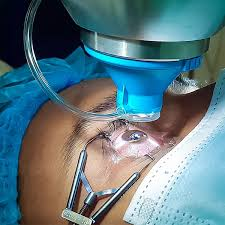
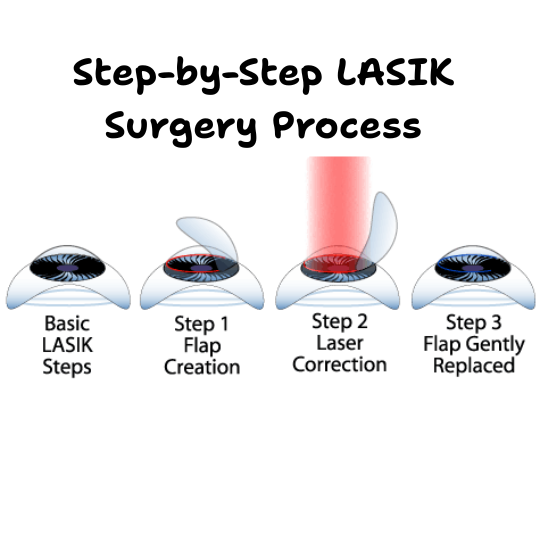
LASIK uses an excimer laser to reshape the cornea. First, a thin flap is created on the corneal surface, lifted, and then the laser removes microscopic layers of tissue to correct the refractive error. Once reshaped, the flap is repositioned, and healing begins almost immediately.
How LASIK Corrects Nearsightedness (Myopia)
For people with myopia, the cornea is often too steep, or the eyeball is too long. LASIK flattens the cornea slightly, reducing the way light bends and helping it focus directly on the retina. This correction often allows patients to achieve 20/20 vision or close to it without glasses or contact lenses.
Who Is a Good Candidate for LASIK Eye Surgery?
Not everyone with nearsightedness can undergo LASIK. Certain requirements ensure the surgery is both safe and effective.
Age and Eye Health Requirements
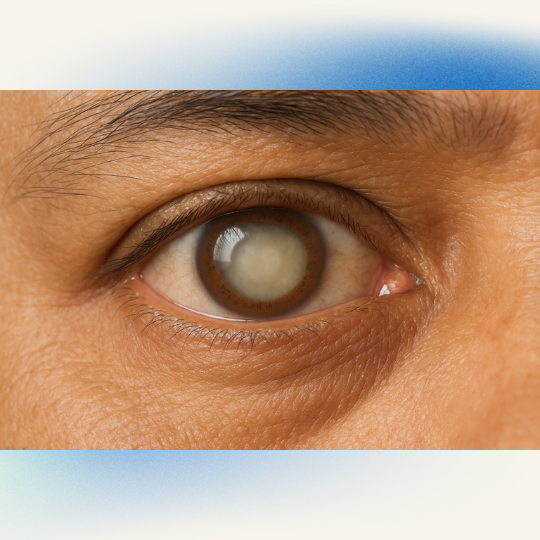
Candidates should generally be 18 years or older, with healthy eyes free from conditions like glaucoma, cataracts, or severe dry eye. The ideal age range is between 20 and 40, when vision tends to be more stable.
Prescription Stability and Corneal Thickness
Your vision prescription should remain stable for at least 12–24 months before surgery. Corneal thickness is another crucial factor—too thin of a cornea may not allow for safe reshaping.
Who Should Avoid LASIK?
Individuals with autoimmune diseases, uncontrolled diabetes, thin corneas, or pregnant/nursing women may not be suitable candidates. In such cases, alternatives like PRK or SMILE surgery may be better.
The Step-by-Step LASIK Surgery Process
Pre-Surgery Eye Examination
Before surgery, your eye doctor performs a detailed evaluation, including corneal mapping, tear film testing, and pupil measurements.
During the Procedure
The surgery typically lasts 10–15 minutes per eye. Numbing drops ensure comfort, and patients usually only feel mild pressure.
Post-Surgery Recovery
Most patients notice improved vision within 24 hours, though full recovery may take several weeks.
Benefits of LASIK for Nearsightedness
Improved Vision Quality
Studies show that more than 90% of patients achieve 20/20 vision or better after LASIK.
Reduced Dependence on Glasses or Contacts
Many patients enjoy freedom from glasses, and some no longer need corrective lenses at all.
Long-Term Results and Patient Satisfaction
LASIK provides lasting results for most patients, with satisfaction rates consistently above 95%.
Risks and Side Effects of LASIK Surgery
Common Short-Term Side Effects
- Dry eyes
- Glare or halos at night
- Temporary blurred vision
Potential Long-Term Complications
Rare complications may include infection, under-correction, or over-correction.
How Risks Can Be Minimized
Choosing an experienced surgeon and following aftercare guidelines reduces risks significantly.
LASIK vs. Other Vision Correction Options
While LASIK is the most recognized surgery for nearsightedness, other alternatives exist. Comparing these options helps patients make an informed decision.
PRK (Photorefractive Keratectomy) vs. LASIK
PRK is an older procedure where the corneal surface layer is removed instead of creating a flap. While recovery takes longer than LASIK, PRK may be a better option for those with thin corneas.
SMILE Surgery vs. LASIK
SMILE (Small Incision Lenticule Extraction) is a newer, minimally invasive technique. Unlike LASIK, it doesn’t involve creating a flap but instead removes a small piece of corneal tissue through a tiny incision. This can reduce the risk of dry eye and flap-related issues.
Glasses and Contact Lenses vs. LASIK
Traditional corrective lenses are non-invasive and safe but require ongoing care and replacement costs. LASIK, by contrast, provides a permanent solution with minimal upkeep once healed.
Cost of LASIK Eye Surgery for Nearsightedness
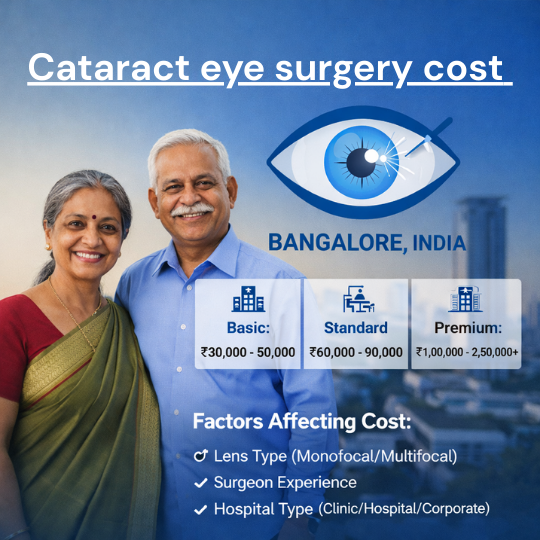
The cost of LASIK varies widely depending on geography, technology, and surgeon expertise.
Average Cost in the U.S. and Worldwide
- United States: $2,000–$3,500 per eye
- Europe: €1,500–€2,500 per eye
- Asia: Often more affordable, ranging from $1,000–$2,000 per eye
Insurance and Financing Options
Most health insurance plans consider LASIK an elective procedure, meaning it’s not usually covered. However, many clinics offer flexible financing plans to make it more affordable.
Factors Affecting LASIK Pricing
- Experience of the surgeon
- Technology used (traditional vs. bladeless LASIK)
- Clinic reputation and location
Recovery and Aftercare Tips
Recovery is usually smooth if patients follow proper aftercare instructions.
First 24 Hours After Surgery
- Rest your eyes as much as possible
- Avoid rubbing or touching your eyes
- Use prescribed eye drops to prevent infection and dryness
Dos and Don’ts for Faster Healing
Dos:
- Wear protective eyewear at night
- Keep up with follow-up appointments
- Stay hydrated and maintain good eye hygiene
Don’ts:
- Avoid swimming, saunas, and dusty environments for at least two weeks
- Avoid makeup and lotions around the eyes until cleared by your doctor
- Refrain from strenuous exercise for a few days
Long-Term Eye Care After LASIK
Most patients achieve stable vision within 3–6 months. However, regular check-ups are recommended to monitor long-term eye health.
Conclusion: Is LASIK the Right Choice for Nearsightedness?
LASIK eye surgery for nearsightedness is a safe, effective, and widely trusted procedure that has helped millions worldwide achieve clearer vision. With high success rates, minimal downtime, and long-term benefits, it offers a life-changing alternative to glasses and contacts.
However, it’s not a one-size-fits-all solution. The best way to know if LASIK is right for you is through a thorough consultation with a qualified ophthalmologist. By weighing the benefits, risks, and costs, patients can make an informed decision toward better vision and improved quality of life.
Success Rates of LASIK for Nearsightedness
Clinical Research and Statistics
- Over 99% of patients achieve 20/20 vision or better after LASIK.
- Less than 1% experience complications requiring additional treatment.
Patient Testimonials and Case Studies
Many patients report life-changing improvements, including freedom from glasses during sports, travel, and daily routines.
FAQs About LASIK Eye Surgery for Nearsightedness
Is LASIK painful?
No, LASIK isn’t painful. Numbing eye drops prevent discomfort, though some patients feel mild pressure.
How long does LASIK last?
Results are typically permanent. However, natural age-related changes like presbyopia can affect vision later in life.
Can nearsightedness return after LASIK?
Rarely, a slight regression may occur, especially in patients with very high prescriptions. Enhancement procedures can correct this if needed.
Is LASIK safe for all ages?
The ideal age is 20–40 years. Patients over 40 may need additional evaluation for age-related eye conditions.
Can both eyes be treated at the same time?
Yes, most surgeons perform LASIK on both eyes during the same session.
How soon can I return to work after LASIK?
Many patients return to work within 24–48 hours, provided their job doesn’t involve heavy eye strain.