

Laser eye surgery can be life-changing, offering freedom from glasses and contact lenses. But the surgery itself is only half the journey—the real success depends on how well you follow after laser eye surgery care instructions. Proper aftercare ensures smooth healing, reduces risks, and helps you enjoy long-term clear vision.
In this comprehensive guide, we’ll cover everything you need to know about post-surgery care, including immediate steps, lifestyle adjustments, nutrition, and warning signs that shouldn’t be ignored.
Understanding Laser Eye Surgery and Its Recovery Process
What Happens During Laser Eye Surgery?
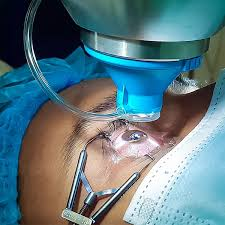
Laser eye surgery, commonly LASIK or PRK, reshapes the cornea to correct refractive errors like nearsightedness, farsightedness, and astigmatism. The procedure is quick, usually under 30 minutes, but the eyes need several weeks to fully heal.
Typical Healing Timeline After Surgery
- First 24–48 hours: Mild discomfort, watery eyes, and blurred vision are common.
- First week: Vision improves gradually; eye protection is critical.
- First month: Most patients resume normal activities, but dryness may persist.
- Three to six months: Vision stabilizes; most side effects disappear.
Common Side Effects Patients May Experience
- Light sensitivity
- Dry eyes
- Glare or halos around lights
- Occasional blurred vision
These are temporary in most cases, but proper aftercare minimizes their impact.

Immediate Aftercare Following Laser Eye Surgery
Post-Surgery Rest and Eye Protection
Doctors recommend resting with eyes closed for the first few hours after surgery. Protective eye shields should be worn while sleeping to avoid accidental rubbing.
Importance of Follow-Up Appointments
Scheduled checkups allow your surgeon to track healing and detect complications early. Missing appointments increases the risk of unnoticed issues.
Using Prescribed Eye Drops Correctly
Artificial tears and antibiotic drops reduce dryness and prevent infections. Always wash your hands before applying drops and avoid touching the dropper tip to your eye.
Do’s and Don’ts After Laser Eye Surgery
Essential Do’s for Faster Recovery
- Wear sunglasses outdoors to protect against UV rays.
- Stay hydrated to reduce dryness.
- Follow your doctor’s medication schedule.
- Sleep well to allow natural healing.
Common Mistakes and Don’ts to Avoid
- Don’t rub or touch your eyes.
- Don’t swim or use hot tubs for at least two weeks.
- Don’t apply eye makeup during the first week.
- Don’t expose eyes to dusty or smoky environments.
Lifestyle Adjustments During Recovery
Sleep and Resting Positions That Protect Your Eyes
Sleep on your back with protective shields to avoid eye pressure. Side or stomach sleeping increases risks of irritation.
Managing Work, Screen Time, and Outdoor Activities
Limit screen exposure during the first 48 hours to prevent strain. If you must work, follow the 20-20-20 rule: every 20 minutes, look at something 20 feet away for 20 seconds.
Safe Return to Exercise and Sports
Light walking is safe after a few days, but avoid contact sports, swimming, or heavy lifting for at least a month.
Nutrition and Hydration for Eye Healing
Foods That Support Eye Recovery
- Carrots, spinach, and kale (rich in vitamin A and lutein)
- Citrus fruits and berries (loaded with vitamin C)
- Salmon and walnuts (omega-3 fatty acids)
The Role of Hydration in Eye Health
Staying hydrated reduces eye dryness and supports faster tissue repair. Aim for 8–10 glasses of water daily.

Warning Signs and When to Contact Your Doctor
Symptoms of Infection or Complications
Seek medical help if you experience:
- Severe pain unrelieved by medication
- Excessive redness or swelling
- Thick discharge
When Vision Changes Require Urgent Care
Sudden vision loss, flashes of light, or increasing blurriness may signal complications and need immediate attention.
Long-Term Eye Care After Laser Surgery
Maintaining Eye Health Post-Recovery
- Continue wearing sunglasses outdoors.
- Avoid excessive screen exposure.
- Stay hydrated and eat eye-friendly foods.
Regular Eye Exams and Preventive Practices
Annual checkups help monitor long-term eye health and detect early vision changes.

Conclusion: Building Healthy Habits for Long-Lasting VisionLong-Term Eye Care After Laser Surgery
After laser eye surgery care is not complicated, but it requires discipline. Following your doctor’s instructions, making simple lifestyle changes, and paying attention to your body will ensure a smooth recovery and long-term eye health.
Frequently Asked Questions About After Laser Eye Surgery Care
1. How long does full recovery take?
Most people recover within 3–6 months, though vision improves within days.
2. Can I wear makeup after surgery?
Avoid eye makeup for at least a week to reduce infection risk.
3. Is driving safe after laser eye surgery?
Driving is only safe once your doctor confirms your vision meets the legal requirement.
4. Can I use screens after surgery?
Limited use is fine after the first day, but take breaks to avoid strain.
5. How soon can I exercise again?
Light activities are safe after a week, but avoid intense workouts for 3–4 weeks.
6. Will I need glasses in the future?
Many patients enjoy years of clear vision, but age-related changes like presbyopia may still require reading glasses.