
Introduction
Why eye health matters more than you think
Our eyes are like the body’s early warning system. They often show symptoms before a major health issue arises. But here’s the thing—most people ignore the signs until it’s too late. From minor dryness to major retinal issues, your eyes are trying to talk to you. Are you listening?
A quick look at how our eyes reflect overall health
Your eyes can reveal signs of diabetes, high blood pressure, infections, and even brain tumors. That’s why poor eye health isn’t just an “eye” problem—it can be a whole-body issue.
Common Visual Symptoms of Eye Problems
Blurry Vision
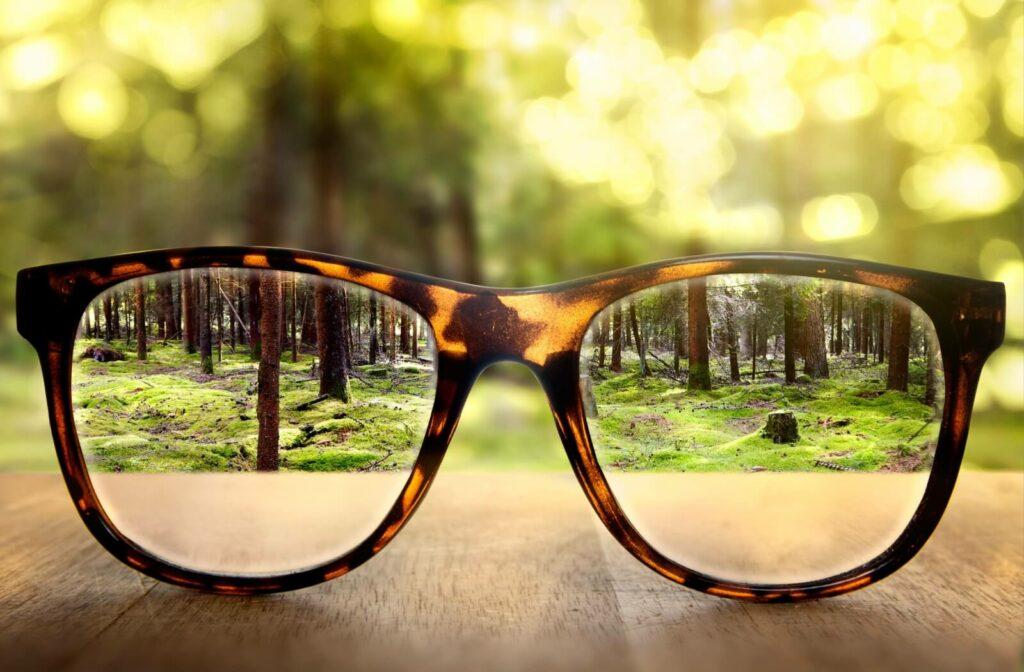
If you suddenly notice everything looks hazy, foggy, or out of focus, it might mean more than needing glasses. Blurry vision can also point to cataracts, macular degeneration, or even early signs of diabetes.
Double Vision
Seeing two images instead of one? It could be due to corneal problems, nerve palsy, or serious conditions like a stroke or brain injury. Don’t ignore this.
Difficulty Seeing at Night (Night Blindness)
Struggling to see when driving at night? That’s not normal aging—it might be vitamin A deficiency or early cataracts.

Physical Changes in the Eyes
Red or Bloodshot Eyes
While it’s common after sleepless nights, persistent redness may indicate infections like conjunctivitis or uveitis.
Eye Discharge or Excessive Tearing
Sticky discharge? Could be a sign of an eye infection. Excess tearing might sound harmless, but it’s often a symptom of blocked tear ducts or dry eyes.
Puffy or Swollen Eyelids
This could be from allergies, an eye infection, or even a condition like blepharitis (inflammation of the eyelids).
Sensory Discomfort
Itchy or Burning Eyes
Constant itching is often due to allergies or dry eyes. But don’t scratch! It can worsen the irritation.
Persistent Dryness or Grittiness
Feel like there’s sand in your eyes? Dry eye syndrome might be to blame. It’s especially common in people over 50 or heavy digital device users.
Light Sensitivity (Photophobia)
Can’t handle bright lights? This might signal corneal abrasion, migraine, or even meningitis in severe cases.
Unusual Movements or Behavior
Frequent Eye Rubbing
If you or your child rubs their eyes often, it could mean eye strain, allergies, or early keratoconus (a progressive corneal condition).
Squinting Often
This is your eye trying to focus better. Constant squinting could mean uncorrected refractive errors.
Head Tilting or Turning to See Clearly
Kids do this to compensate for lazy eye or alignment issues. Adults might do it unknowingly if they have double vision.
Floaters, Flashes, and Blind Spots
What are floaters and when to worry?
Tiny specks or cobweb-like shapes floating in your vision are common. But if they suddenly increase or are accompanied by light flashes, get help immediately.
Flashes of Light: Could it be Retinal Detachment?
Flashes, especially in the peripheral vision, can signal a detached retina—a medical emergency.
Sudden Appearance of Dark Spots or Vision Loss
If parts of your vision black out suddenly, it’s not a fluke. It could be a retinal tear, stroke, or optic nerve problem.
Eye Fatigue and Headaches
Digital Eye Strain and Screen Time
Long hours staring at screens? You might feel headaches, eye strain, dryness, or neck pain—all signs of computer vision syndrome.
Vision-related Migraines and Headaches
If your headaches start behind your eyes or after reading, it could be your eyes crying for help.
Signs in Children You Shouldn’t Ignore
Lack of Eye Contact
Especially in toddlers—it could indicate poor vision or even developmental delays.
Covering One Eye to See
This might be due to amblyopia (lazy eye) or a significant power difference between both eyes.
Poor Performance in School
Kids won’t always say, “I can’t see the board.” Instead, they’ll struggle with attention, reading, and learning—all linked to undiagnosed vision problems.

When Poor Eye Health Signals Bigger Problems
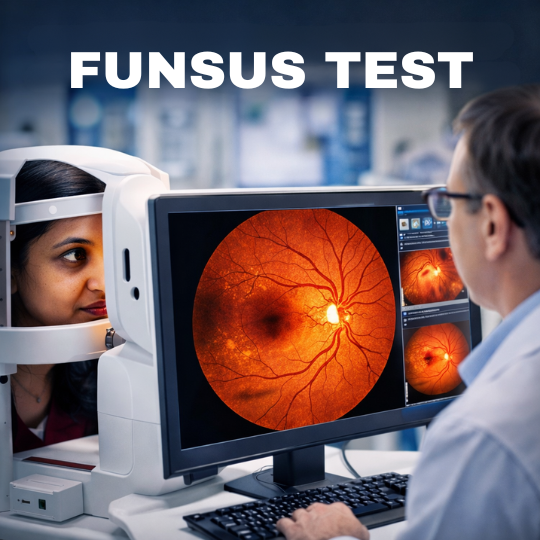
Diabetes and Diabetic Retinopathy
Diabetes can silently damage the retina. By the time symptoms show, vision may already be at risk.
Hypertension and Hypertensive Retinopathy
High blood pressure can cause changes in the retina and even lead to vision loss.
Autoimmune Disorders
Conditions like lupus or rheumatoid arthritis often come with dry eyes, inflammation, or vision changes.
Preventive Eye Care
Importance of Regular Eye Exams
Even if you see “perfectly,” routine eye exams can catch hidden diseases like glaucoma or retinal issues.
Tips to Maintain Good Eye Health
- Eat leafy greens and omega-3s
- Take screen breaks (20-20-20 rule)
- Wear UV-protected sunglasses
- Stay hydrated
- Avoid smoking
When to See an Eye Doctor Immediately
Don’t delay if you have:
- Sudden vision loss
- Eye pain or redness
- Flashes or floaters
- Eye injury
- Foreign object in the eye

Conclusion
Your eyes are not just windows to the world—they’re windows to your health. Ignoring early signs of poor eye health can cost you more than just your vision. If you notice any of the symptoms we’ve discussed, take them seriously. Early action can protect your sight and even save your life. Get your eyes checked. Don’t wait for the blur to become blindness.
FAQs
Can poor eye health be reversed?
Sometimes, yes—if caught early. Conditions like dry eyes, infections, or mild refractive errors can be managed or reversed. But diseases like glaucoma or diabetic retinopathy require long-term care.
Are all floaters harmful?
Not always. Occasional floaters are normal with aging. But if you suddenly see many floaters with flashes or shadows, seek medical help—it could be a retinal tear.
How often should I get my eyes checked?
Adults should get a comprehensive eye exam every 1–2 years. Children, older people, and people with health conditions may need more frequent checkups.
Do screen time and blue light harm my eyes?
Too much screen time can cause digital eye strain, dryness, and blurred vision. Blue light doesn’t cause permanent damage, but it can affect sleep and comfort.
Can poor diet cause eye problems?
Absolutely. Lack of nutrients like vitamin A, omega-3s, and antioxidants can lead to night blindness, dry eyes, and even age-related degeneration.