

Pterygium Surgery: Everything You Need to Know
What is pterygium eye surgery?
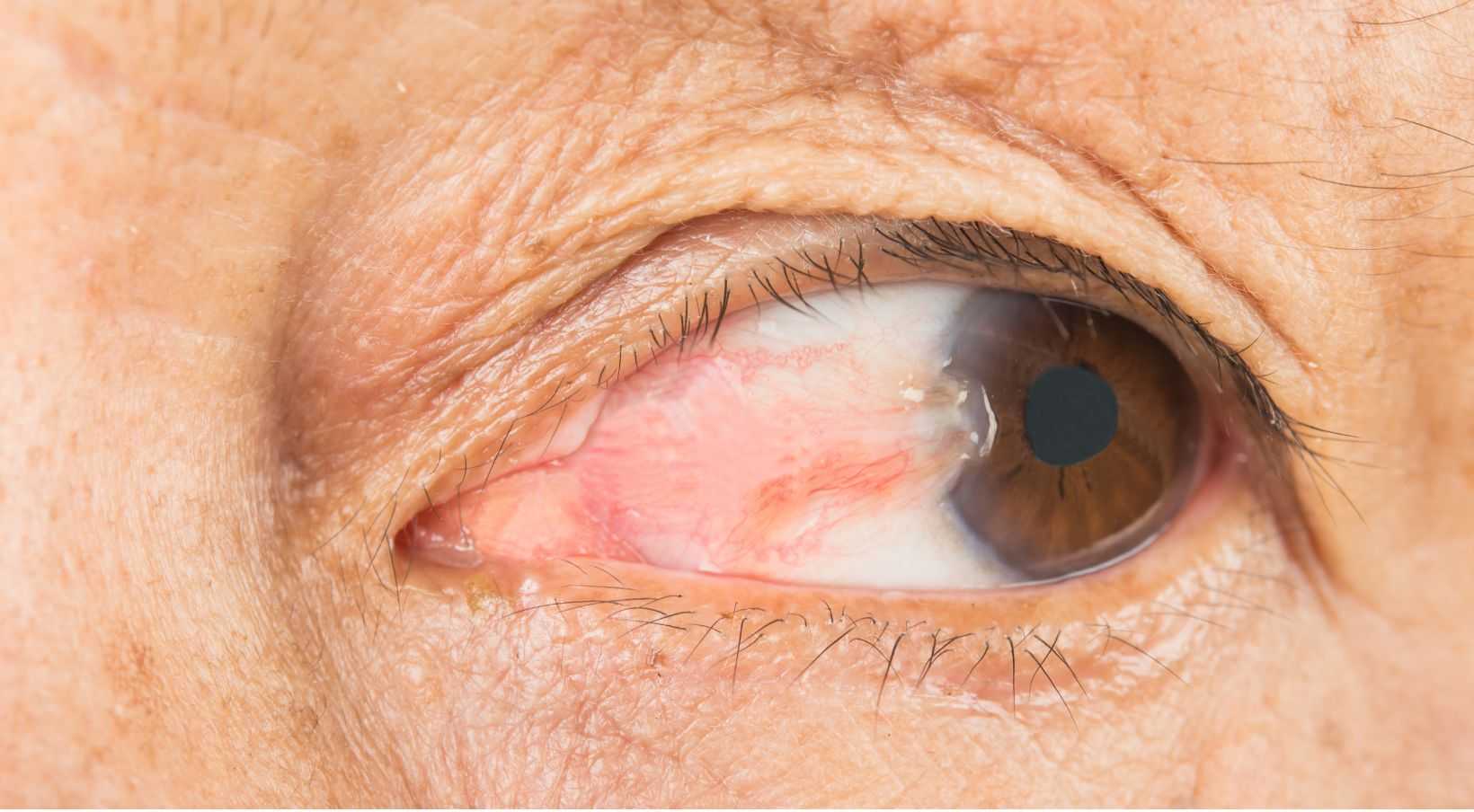
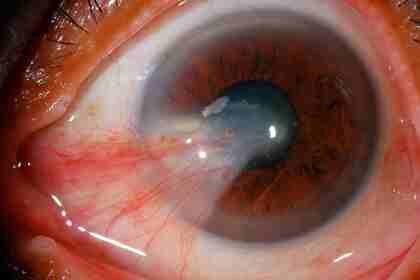
Ever noticed a fleshy growth creeping onto the white part of your eye? That could be a pterygium (pronounced tuh-RIJ-ee-um). It’s a non-cancerous, wing-shaped tissue growth that starts on the white of the eye (sclera) and may extend onto the cornea. While it may look harmless at first, it can affect your vision, cause irritation, and eventually require surgical removal.
Why Does Pterygium Require Surgery?
Pterygium isn’t always a problem. But when it grows large enough to distort your vision or cause persistent redness, irritation, or discomfort, surgery becomes necessary. It’s not just about aesthetics—it’s about your eye health and quality of life.
Understanding Pterygium
Causes of Pterygium
Blame the sun! UV exposure is the biggest culprit. Dust, wind, and dry environments also play a role. People who spend a lot of time outdoors—especially in tropical or dusty climates—are more at risk.
Symptoms of Pterygium
- Redness
- Gritty sensation
- Blurry vision
- Visible growth on the eye
- Dryness and irritation
How it Affects Vision
As the growth invades the cornea, it can change its shape, leading to astigmatism or even obstructing vision altogether. That’s when most patients decide to opt for surgery.
Diagnosis and Evaluation
When to See an Eye Specialist
If you notice a growth or experience chronic redness or irritation, don’t wait. Early diagnosis means easier management and better outcomes.
Diagnostic Procedures Used
- Slit-lamp examination
- Corneal topography (to assess distortion)
- Visual acuity test
- Photos to monitor growth over time
Treatment Options
Non-Surgical Management
- Lubricating eye drops
- Anti-inflammatory medications
- UV-blocking sunglasses
- Regular monitoring
When Surgery is Recommended
Surgery is advised when:
- The growth affects your vision
- You experience constant discomfort
- Cosmetic appearance bothers you
- Rapid growth is observed
Types of Pterygium eye Surgery
Bare Sclera Technique
This older technique involves removing the growth and leaving the sclera bare. However, it has a high recurrence rate.
Conjunctival Autograft
This is the gold standard today. After removing the pterygium, the surgeon grafts tissue from another part of your eye to the excised area. It significantly reduces the chance of regrowth.
Amniotic Membrane Transplantation
A bioengineered method using a layer of tissue from a placenta. It’s anti-inflammatory and helps in faster healing.
Recurrence Prevention Techniques
Using mitomycin C (an anti-scarring drug), fibrin glue instead of stitches, and avoiding sun exposure post-op help minimize recurrence.
Preparing for Pterygium eye Surgery
Pre-operative Consultation
Your surgeon will evaluate your eye, ask about your medical history, and explain the risks and benefits.
Medical Tests and Consent
Basic blood tests, eye measurements, and signing an informed consent form are standard procedures.
The Surgical Procedure
Step-by-Step Breakdown
- The eye is numbed using local anesthesia.
- Pterygium is carefully removed.
- A graft is harvested and placed over the area.
- Tissue is secured using glue or stitches.
Use of Anesthesia
Most surgeries are done under local anesthesia. You’re awake but won’t feel a thing.
Surgery Duration
The whole procedure usually takes 30–45 minutes.
Post-Surgery Care
Recovery Timeline
- 1–2 days: Mild discomfort and redness
- 1 week: Back to normal activities
- 4–6 weeks: Complete healing
Post-Operative Medications
- Antibiotic eye drops
- Anti-inflammatory drops
- Lubricants
Lifestyle Changes and Precautions
- Avoid rubbing your eyes
- Wear sunglasses outdoors
- Follow up with your doctor as scheduled
Risks and Complications
Common Side Effects
- Redness
- Mild pain or discomfort
- Watery eyes
Rare Complications
- Infection
- Scarring
- Double vision (temporary)
- Recurrence of pterygium
How to Manage Issues
Always report unusual symptoms to your doctor. Following post-op care instructions is key to avoiding complications.
Results and Prognosis
How Effective is the Surgery?
Most patients experience excellent results—clear eyes, better vision, and no irritation.
Chances of Recurrence
With modern techniques like conjunctival autograft, recurrence rates are under 10%.
Cost of Pterygium Surgery
Factors Affecting the Cost
- Hospital or clinic type
- Surgeon’s experience
- Type of graft used
- City or region
Insurance and Financial Assistance
Some insurance plans cover the cost if medically necessary. Check with your provider.
Choosing the Right Surgeon
Qualifications to Look For
- Board-certified ophthalmologist
- Specialization in ocular surface surgeries
- Proven track record
Questions to Ask Your Doctor
- What technique do you use?
- What are the chances of recurrence?
- Will you use glue or stitches?
- How soon can I return to work?
Pterygium Prevention Tips
UV Protection
Always wear UV-blocking sunglasses and wide-brimmed hats.
Lifestyle Habits
- Use artificial tears if your eyes are dry
- Avoid dusty, smoky environments
- Regular eye check-ups
Real Patient Stories
Before and After Experiences
Many patients report improved confidence and clearer vision. “I didn’t realize how much it affected me until it was gone,” says one patient.
What They Wish They Knew
- The recovery is faster than expected
- Sunglasses are a must even post-op
- Choosing the right surgeon made all the difference
Conclusion:
Pterygium surgery might sound intimidating, but with today’s medical advancements, it’s a safe and effective procedure. Whether you’re experiencing discomfort, vision issues, or just bothered by how it looks, this surgery can offer a fresh start for your eyes. Remember, the sooner you act, the better the outcome. Protect your eyes, choose a skilled surgeon, and follow up regularly. Your vision is worth it.
FAQs:
1. Is pterygium surgery painful?
No, it’s usually done under local anesthesia, and post-op pain is mild and manageable.
2. How long is the recovery period?
Most patients return to normal activities within a week. Full healing takes 4–6 weeks.
3. Can pterygium come back after surgery?
Yes, but with modern techniques, recurrence is rare.
4. Is it safe for patients?
Absolutely. As long as general health allows, age is not a barrier.
5. Will I need glasses after surgery?
If the pterygium caused astigmatism, you might need glasses. Your doctor will guide you post-op.